Why Does Excessive Sweating Occur? Sweating Botox and Its Duration of Effect
What Causes Excessive Sweating? How Is Sweating Botox Performed and How Long Does It Last?
Sweating is a completely natural and necessary mechanism used by the body to regulate its temperature. However, in some individuals, sweating can be much heavier than normal, even without hot weather, exercise, or intense physical activity. Persistent wetness on clothes, constantly moist hands, intense foot sweating, or discomfort due to sweating in social settings may indicate the problem of hyperhidrosis, defined as excessive sweating.
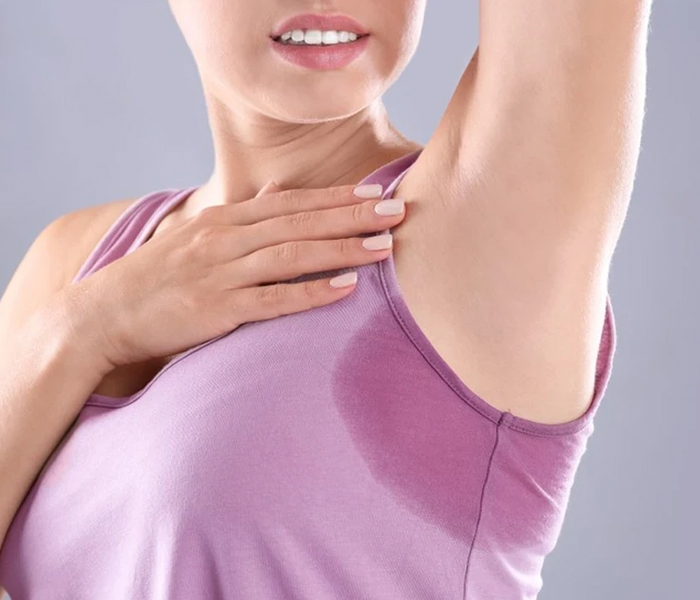
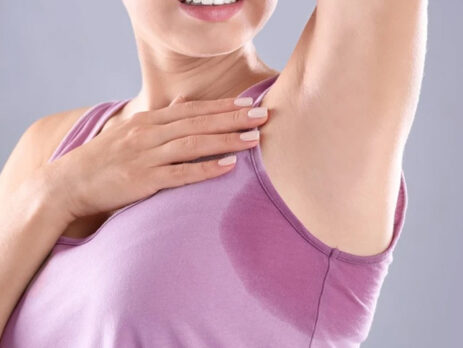
Excessive sweating, or hyperhidrosis, is not just a physical problem. It can affect daily life, work, social relationships, clothing choices, and a person’s self-confidence. Especially individuals experiencing armpit sweating may avoid light-colored or tight clothing; those with hand sweating may feel discomfort when shaking hands; and foot sweating can lead to issues with moisture, odor, and daily comfort.
One of the methods used today to control excessive sweating is the sweating botox application. Botulinum toxin application helps to control sweat production in the treated area by temporarily reducing the nerve signals reaching the sweat glands.
However, not every intense sweating is due to the same cause, and the same approach may not be suitable for everyone. Therefore, the type, severity, affected areas, and whether there is another underlying health problem should be evaluated first. The initial examination or consultation at Op. Dr. Şükrü İşler Aesthetic Clinic is free of charge. During the initial assessment, the person’s complaints are heard, and a suitable approach is planned specifically for the individual.
What is Excessive Sweating?
Excessive sweating, medically known as hyperhidrosis, is a condition where the body produces sweat beyond the amount necessary for heat regulation. Normal sweating can occur in situations such as increased temperature, physical activity, stress, or excitement. In hyperhidrosis, however, sweating may be disproportionate to these factors or may occur without a clear trigger.
Excessive sweating can affect the entire body or appear only in specific areas. The most commonly affected areas include:
- Armpits
- Palms
- Soles of the feet
- Face and forehead area
- Scalp
- Groin area
Localized excessive sweating, especially in the armpits, hands, and feet, can significantly affect the quality of daily life.
What Causes Excessive Sweating?
The causes of excessive sweating can vary from person to person. Hyperhidrosis is generally evaluated in two main groups: primary and secondary.
What is Primary Hyperhidrosis?
In primary hyperhidrosis, there may not be a clear disease or external factor explaining the excessive sweating. This condition usually appears regionally and often affects the armpits, hands, feet, or face.
In the development of primary hyperhidrosis, the excessive activity of neural mechanisms that stimulate the sweat glands, rather than the number of sweat glands, may play a role. Even if a person’s sweat glands are structurally normal, the nervous system may send more stimuli to the sweat glands than necessary.
Primary hyperhidrosis:
- Can start at a young age.
- May be seen more frequently in individuals with similar complaints in the family.
- Usually affects both sides of the body symmetrically.
- Can increase with stress and excitement.
- Can negatively affect daily quality of life.
What is Secondary Hyperhidrosis?
Secondary hyperhidrosis refers to situations where excessive sweating may be associated with another health condition, hormonal changes, or certain medications. Therefore, it is important to evaluate complaints of excessive sweating, especially those that start later, affect the entire body, or occur with night sweats.
Conditions that may be associated with secondary excessive sweating include hormonal changes, thyroid dysfunction, menopause, certain metabolic diseases, infections, some medications, and various systemic health problems.
Important: Excessive sweating should not always be considered merely an aesthetic or social problem. In cases of new onset, unexplained, night sweats, or when accompanied by other symptoms, appropriate medical evaluation should be performed.
What Are the Symptoms of Excessive Sweating?
Since the amount of sweating varies from person to person, it is not always possible to define excessive sweating solely by a specific amount. One of the key criteria is how much sweating affects a person’s daily life.
The following conditions may require evaluation for hyperhidrosis:
- Frequent formation of noticeable sweat stains in the armpits
- Experiencing intense sweating even when the weather is not hot
- Palms being constantly wet or damp
- Avoiding shaking hands
- Hand sweating causing problems when using a phone, keyboard, or paper
- Shoes and socks becoming damp quickly
- Need to change clothes due to sweating
- Loss of self-confidence in social or work environments
- Fear of sweating affecting daily plans
What is Botox for Sweating?
Botox for sweating is a medical procedure that involves applying botulinum toxin to areas with excessive sweating, aiming to temporarily reduce the nerve signals reaching the sweat glands.
Sweat glands are activated by chemical signals from the nervous system. Botulinum toxin can temporarily limit these signals from reaching the sweat glands in the treated area. Thus, the aim is to reduce excessive sweat production in the targeted area without completely eliminating the sweat glands.
You can also review our previously published detailed content about sweating Botox: What is Underarm Botox (Sweat Botox)? and Bursa Sweating Botox.
How Does Sweating Botox Work?
The working principle of sweating Botox is based on temporarily reducing the neural transmission that stimulates the sweat glands. When the neural signals that play a role in the activation of sweat glands are targeted, excessive sweat production in the application area can be significantly controlled.
This effect occurs only in the applied area. For example, sweating Botox applied to the armpit does not directly stop the normal sweating mechanism in other areas of the body.
Scientific studies on the use of botulinum toxin in the treatment of hyperhidrosis show that it can be an effective treatment option, especially in primary axillary hyperhidrosis. You can review scientific studies on the subject from a comprehensive review of botulinum toxin and hyperhidrosis published in PubMed Central, from a clinical study evaluating botulinum toxin efficacy in axillary hyperhidrosis, and from a PubMed study evaluating the duration of effect in repeated applications.
Which Areas Can Sweating Botox Be Applied To?
Sweating botox can be considered for different regional excessive sweating problems. The suitability, dosage, and technique of the application may vary depending on the area.
The most commonly evaluated areas are:
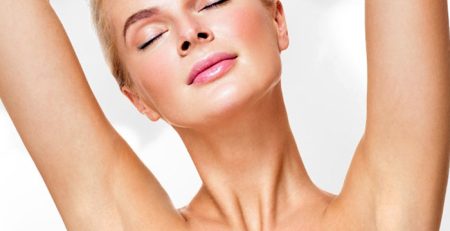
- Armpit sweating: This is one of the most common application areas for sweating botox.
- Hand sweating: It can be considered for individuals experiencing intense sweating in their palms.
- Foot sweating: A personalized evaluation can be made for excessive sweating on the soles of the feet.
- Face and forehead sweating: It can be planned for suitable individuals after an anatomical evaluation.
The nerve, muscle, and sweat gland structure of each anatomical region are different. Therefore, it is important to determine the application area and dosage specifically for each individual.
How is Armpit Sweating Botox Performed?
Before armpit sweating botox, the person’s sweating complaint is evaluated. After determining the areas where sweating is intense, the application area is cleaned, and local comfort-providing methods can be utilized if necessary.
Botulinum toxin is applied in small doses to the determined areas using very fine-tipped needles. The aim is to create an application plan that covers the sweating area as evenly as possible.
The procedure is not a surgical operation. No incisions are made, and it does not require a classic surgical recovery period. Although the application time may vary according to the size of the treated area, it is generally a procedure that does not interrupt daily life for a long time.
Why is Examination Before Sweating Botox Important?
It is not appropriate to use the exact same application protocol for everyone who complains of excessive sweating. First, it should be evaluated whether the sweating is primary or a secondary problem that may be related to another health condition.
During examination and consultation:
- When sweating started
- Which areas it affects
- To what extent it affects daily life
- Whether there is night sweating
- Medications used
- Current health status
- Previously applied treatments
factors such as these can be evaluated.
The first examination or consultation at Op. Dr. Şükrü İşler Aesthetic Clinic is free of charge. This way, your excessive sweating complaint can be evaluated, and you can receive detailed information about whether sweat Botox is a suitable option for you and how an application plan can be created.
When Does the Effect of Sweat Botox Begin?
The effect of sweat Botox does not reach its maximum level immediately after the application. A certain period is required for the botulinum toxin’s effect on neural transmission to appear.
Although it varies from person to person, the initial effects usually start to be noticed in the days following the application. A longer period may be required to evaluate the final effect. The application area, the dose used, the severity of the person’s sweating, and individual response can affect this process.
Therefore, the result of the application should not be evaluated based on the first day; the follow-up process recommended by the physician should be adhered to.
How Long Does Sweat Botox Last?
The effect of sweat Botox is not permanent. The effect of botulinum toxin on nerve transmission decreases over time, and the activity of sweat glands may gradually return.
The duration of the effect may vary from person to person. Especially in underarm applications, sweat control can be maintained for months in many individuals. In clinical practice, the duration of the effect is often observed to be around 6 to 9 months, but this period can be shorter or longer.
Factors that may affect the duration of the effect include:
- The area of application
- The severity of excessive sweating
- The individual’s metabolic characteristics
- The applied dose and distribution
- Whether botulinum toxin has been applied previously
- The individual’s personal response to the application
may be included.
Scientific publications examining the duration of botulinum toxin’s effect on hyperhidrosis have also shown that efficacy can vary among individuals. For an academic study evaluating the duration of effect in repeated applications, you can review the scientific publication on PubMed.
Is Sweat Botox Permanent?
No. Sweat Botox is not a permanent application. The effect of botulinum toxin diminishes over time, and communication between nerve endings and sweat glands can become active again. Therefore, when the complaint of excessive sweating reappears, the application can be repeated after reassessing the individual’s condition.
Its non-permanent nature can also offer an advantage for some individuals. This is because the effect of the application is controlled and temporary; subsequent applications can be re-planned according to need and personal response.
When Can Daily Life Be Resumed After Sweat Botox?
Since sweat Botox is not a surgical procedure, most people can return to their daily lives shortly after the application. However, it is important to follow the physician’s recommendations after the procedure.
Temporary redness, sensitivity, or small needle marks may be seen in the application area. These effects are usually temporary. After the procedure, the physician’s personalized recommendations regarding intense exercise, excessively hot environments, or pressure on the application area should be followed.
Is Sweat Botox a Painful Procedure?
The procedure is performed with very fine-tipped needles. The discomfort felt may vary depending on the application area and the individual’s pain sensitivity. Especially applications in the armpit area are tolerable for most people.
Sensitivity may be greater in areas where nerve endings are more concentrated, such as the palms of the hands and soles of the feet. Therefore, methods to increase comfort before the procedure can be evaluated on a case-by-case basis.
What Are the Advantages of Sweat Botox?
For suitable candidates, the prominent advantages of sweat Botox are:
- Does not require surgical incision
- The procedure can be completed in a short time
- The recovery period for returning to daily life is usually short
- Helps reduce excessive sweating in the targeted area
- Can increase the individual’s social and professional life comfort
- Can help reduce heavy sweat stains on clothes
- It is a temporary and repeatable procedure
Who Might Be Suitable for Sweat Botox?
Sweat Botox may be considered particularly for individuals whose daily quality of life is affected by localized excessive sweating and who are deemed suitable for the procedure after a physician’s evaluation.
For example:
- Those who frequently change clothes due to underarm sweating
- Those who have difficulty choosing clothes due to sweat stains
- Those who experience social or professional problems due to hand sweating
- Those who believe that excessive sweating affects their self-confidence
- Suitable individuals who have not received sufficient benefit from other conservative methods
can be evaluated for sweat Botox.
However, suitability decisions should not be made based on general information found online. The person’s health status, medications used, pregnancy or breastfeeding status, neuromuscular diseases, and other medical factors must be evaluated by a physician.
Who Should Not Get Sweat Botox?
Botulinum toxin applications may not be suitable for everyone. The person’s medical history must be evaluated before the procedure.
The application may not be suitable for individuals who are pregnant or breastfeeding, those with an active infection in the application area, those with known hypersensitivity to botulinum toxin or its ingredients, and those with certain neuromuscular diseases.
Furthermore, it is important to fully inform the physician about any medications being used. The final suitability decision should be made after an examination.
Are There Any Side Effects of Sweat Botox?
As with all medical procedures, there may be a possibility of side effects and complications with botulinum toxin applications. Temporary redness, tenderness, swelling, or bruising may be observed in the application area.
The type of side effects may vary depending on the area of application. Especially in applications to the hand area, region-specific risks such as temporary muscle weakness may be considered due to anatomical structures.
Therefore, it is important that sweating botox is planned by a physician who has knowledge of anatomy and can make the appropriate medical evaluation.
Does Sweating Botox Completely Stop Normal Sweating?
The purpose of sweating botox is not to stop the body’s entire sweating mechanism. The application only aims to temporarily reduce the nerve signals reaching the sweat glands in the targeted area.
Sweat glands in other areas of the body continue to function. Therefore, for example, an application made only to the armpit does not eliminate the natural heat regulation mechanism throughout the entire body.
What is the Difference Between Sweating Botox and Classic Botox?
Botulinum toxin can be used in both applications; however, the purpose of the application, the targeted anatomical structure, dose planning, and injection technique are different.
While aesthetic botox applications generally aim to controlledly reduce the activity of mimic muscles, the purpose of sweating botox is to temporarily reduce the nerve signals that activate the sweat glands.
For more information on aesthetic botulinum toxin applications in the facial area, you can review our Botox applications page.
Can Excessive Sweating Be Psychological?
Stress, excitement, and anxiety can increase sweating. However, it is not correct to consider hyperhidrosis as merely a psychological problem. In primary hyperhidrosis, the autonomic nervous system’s overstimulation of sweat glands can play an important role.
However, a bidirectional relationship can form between excessive sweating and stress. A person may sweat more because they are stressed; when they notice they are sweating, they may experience more stress, leading to increased sweating.
This cycle can become more pronounced, especially in situations such as job interviews, presentations, social gatherings, and public speaking.
When Should You See a Doctor for Excessive Sweating?
If excessive sweating affects your daily life, restricts your clothing choices, causes you to avoid social situations, or started suddenly, it may be beneficial to seek a professional evaluation.
Medical evaluation is especially important in the following situations:
- If sweating started suddenly
- If there is intense sweating that wakes you up at night
- If widespread sweating is observed throughout the body
- If accompanied by weight loss, palpitations, or other symptoms
- If it started after the use of a new medication
- If it significantly affects daily quality of life
What Should Be Considered Before Getting Sweating Botox?
Before the application, it is important to inform your doctor about your medical history, any medications you regularly use, and any previous botulinum toxin applications, if any.
Furthermore, personalized planning should be done instead of standard application schemes found on the internet. This is because the extent and intensity of the sweating area are not the same for everyone.
Correct evaluation is important for determining the application area, planning the appropriate dosage, and for the person to form realistic expectations.
How Are Sweating Botox Prices Determined?
Sweating Botox prices may vary according to the area to be treated, the extent of the sweating area, the required treatment plan, and personal needs.
Since the amount of botulinum toxin to be applied and the application technique may not be the same for armpits, hands, feet, or different areas, it is not correct to make an assessment based solely on a standard price.
The most accurate planning can be done after evaluating the person’s sweating complaint and the application area. At Op. Dr. Şükrü İşler Aesthetic Clinic, the first examination or consultation is free. During the first consultation, your complaint will be evaluated, and you can receive detailed information about suitable treatment options and the process.
Why is Personalized Planning Important for Sweating Botox in Bursa?
A successful application of sweating Botox is not merely about administering botulinum toxin. The areas of intense sweating must be correctly identified, the anatomical structure must be considered, and the application points must be planned specifically for the individual.
At Op. Dr. Şükrü İşler Aesthetic Clinic, individuals with excessive sweating complaints are first evaluated individually. The suitability of the treatment, the targeted area, and the process are planned according to personal needs.
The first examination or consultation is free. To get detailed information about the causes of your excessive sweating problem, whether sweating Botox is suitable for you, the expected duration of effect, and the treatment process, you can benefit from a free initial consultation.
Frequently Asked Questions
What is sweating Botox?
Sweating Botox is a medical application that aims to temporarily reduce nerve impulses that activate sweat glands by applying botulinum toxin to areas with excessive sweating.
How long is sweat Botox effective?
The duration of the effect can vary from person to person and depending on the application area. In armpit applications, an effect lasting approximately 6 to 9 months can often be observed clinically; however, in some individuals, the duration may be shorter or longer.
When does the effect of sweat Botox begin?
Initial effects may generally start to be noticed in the days following the application. The time it takes for maximum effectiveness to appear can vary depending on individual response and the application area.
Is sweat Botox permanent?
No. The effect of botulinum toxin is temporary. When neural transmission becomes active again over time, sweating may gradually return.
Can sweat Botox be repeated?
When its effect diminishes and the person needs it again, the application can be re-planned after a physician’s evaluation.
Does armpit Botox completely stop sweating?
The aim of the application is to significantly reduce and control excessive sweating. The results obtained and the rate of reduction in sweating may vary from person to person.
Does sweat Botox disrupt the body’s sweating balance?
The application only affects the sweat glands in the targeted area. The natural sweating mechanism in other parts of the body continues to function.
Can Botox be applied for hand sweating?
In suitable individuals, botulinum toxin application for palmar sweating can be considered. However, due to the anatomical characteristics of the hand area, the application plan and potential risks should be evaluated separately.
Can Botox be applied for foot sweating?
In suitable individuals, botulinum toxin application for excessive plantar sweating can be considered. Since the soles of the feet are a sensitive area, personalized planning is important.
Is sweat botox done in summer?
It can be applied at different times of the year in individuals deemed suitable after a physician’s evaluation. As sweating complaints become more pronounced with increasing temperatures in the summer months, interest in this application may increase during this period.
When is the best time for sweat botox?
There is no specific seasonal requirement. However, since a certain period is required for the effect to begin, if planning is to be done before a special event or the summer period, the application time can be determined with the physician.
Can excessive sweating be a symptom of a disease?
Yes. Especially excessive sweating that starts later, affects the entire body, occurs at night, or is accompanied by other symptoms can be associated with certain health conditions. Therefore, a necessary medical evaluation should be performed.
Is an examination required before sweat botox?
Yes. The type, severity, application area of sweating, and the individual’s health status should be evaluated. The first examination or consultation at Op. Dr. Şükrü İşler Aesthetic Clinic is free of charge.
Take the First Step for Your Excessive Sweating Problem
Excessive sweating can affect many areas of daily life, from clothing choices to social relationships, from professional life to self-confidence. However, you don’t have to see heavy sweating as just something to be endured.
The correct evaluation of the cause of sweating and the determination of the appropriate approach for the individual is the most important stage of the treatment process. Sweating Botox is one of the non-surgical options that can help control underarm and other localized excessive sweating problems in suitable individuals.
The initial examination or consultation at Op. Dr. Şükrü İşler Aesthetic Clinic is free. You can benefit from a free initial consultation to get personalized information about your excessive sweating complaint, whether sweating Botox is suitable for you, the application process, and the expected duration of its effect.
This content has been prepared for general informational purposes. It does not substitute for diagnosis and treatment. The cause of excessive sweating and the appropriate treatment option should be determined based on a personal medical evaluation.