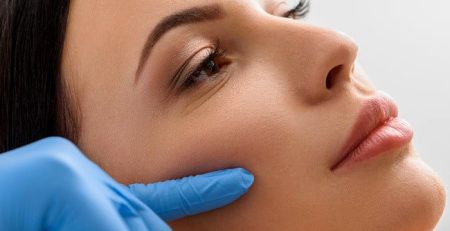
Scar Treatment – Bursa Scar Treatment
Scar Treatment – Bursa Scar Treatment Scars are the result of a natural healing process of the skin after injury, surgery, burns, or inflammation. Scars are significant both medically and psychologically, whether due to aesthetic concerns or functional impairments. Various methods developed in modern medicine and aesthetic dermatology aim to reduce the appearance of scars and restore a more natural skin texture.
1. Scar Formation
Inflammation Phase (0–3 days): Blood clotting and the accumulation of immune cells occur in the damaged area.
Proliferation Phase (3–10 days): Collagen production begins by fibroblasts, and new blood vessels form.
Remodeling Phase (weeks-months): Collagen is reorganized and tissue quality improves. However, during this phase, the tissue structure does not return to its original state, and scarring may remain.
2. Types of Scars
Different types of wounds can lead to different scar shapes. The most common types of scars are:
Atrophic Scars: Scars that leave depressions in the skin, usually formed after acne or chickenpox.
Hypertrophic Scars: Raised, reddish marks that remain within the boundaries of the injury.
Keloid scars: Hard, often itchy structures that grow beyond the boundaries of an injury.
Contracture Scars: Develop after burns, they can cause skin contraction and restrict movement.
3. Scar Treatment Methods
The treatment approach is determined by the type and location of the scar, the patient’s age, and skin type. The most common treatment options are detailed below:
Topical Treatments
Silicone Gel and Plates: Regulate collagen production through their moisturizing effect. Common in keloid and hypertrophic scars.
Steroid Creams and Ointments: They control scar growth by reducing inflammation.
Gels containing onion extract (e.g., Contractubex): Can reduce the appearance of scars by balancing collagen production.
Needle and Injection Methods
Steroid Injections: Particularly effective in keloids. Reduces scar tissue.
PRP (Platelet-Rich Plasma): Supports tissue regeneration with growth factors obtained from the patient’s own blood.
Fillers: Provide temporary filling to smooth the skin surface in atrophic scars.
Physical Applications and Device-Based Therapies
Laser Treatments
Fractional Carbon Dioxide (CO2) Laser: Renews the skin’s surface and increases collagen production.
Pulsed Dye Laser (PDL): Reduces redness and is suitable for scars with vascular structures.
Microneedling: Creates microchannels in the skin, triggering the healing process.
Dermabrasion: The mechanical removal of the upper layers of skin. It is used especially for superficial scars.
Cryotherapy: Keloids can be reduced in size by freezing the scar tissue.
Surgical intervention
Scar Revision: Surgical removal and re-stitching of the scarred area.
Z-Plasty or W-Plasty Techniques: Methods used in cosmetic surgery that reduce the visibility of scars by altering their direction.
4. Alternative and Supportive Methods
Massage Therapies: Can increase the flexibility of scar tissue through soft tissue mobilization.
Compression garments: Used to control scar formation, especially after large burns.
Herbal Creams: Products enriched with ingredients like aloe vera and vitamin E can help maintain the skin’s moisture balance, but their effectiveness is limited.
5. Factors to Consider When Choosing Treatment
Scar Age: Topical treatment may be effective for new scars, while older scars may require laser treatment or surgery.
Skin Type and Color: In laser treatments, the risk of hyperpigmentation should be considered in dark skin types.
Genetic predisposition: Some individuals are prone to keloid formation, which alters the treatment plan.
Psychological Impact: The emotional impact of scarring on an individual can increase motivation and the need for treatment.
Scar treatment is a process that requires a multidisciplinary approach and individual planning. Since every scar type and every individual’s skin structure is different, the correct combination of treatments should only be determined by a specialist dermatologist or plastic surgeon. Thanks to the various methods offered by modern medicine, the visibility of scars can be reduced, improving both the physical and psychological quality of life for patients.
Our clinic, specializing in Aesthetic and Plastic Surgery and encompassing all areas of aesthetics, operates under the slogan “For Your Beauty,” aiming to provide healthy and world-class services.
The content of this page is for informational purposes only; please consult your doctor for diagnosis and treatment.