Tummy Tuck or Liposuction? Which One is Right for You?
Fat accumulation, laxity, and sagging in the abdominal area are among the most common body contouring problems encountered in both women and men. If the appearance of the abdominal area does not reach the desired level despite diet and regular exercise, aesthetic surgery options may become relevant. At this point, one of the most frequently asked questions is “Tummy tuck or liposuction?”
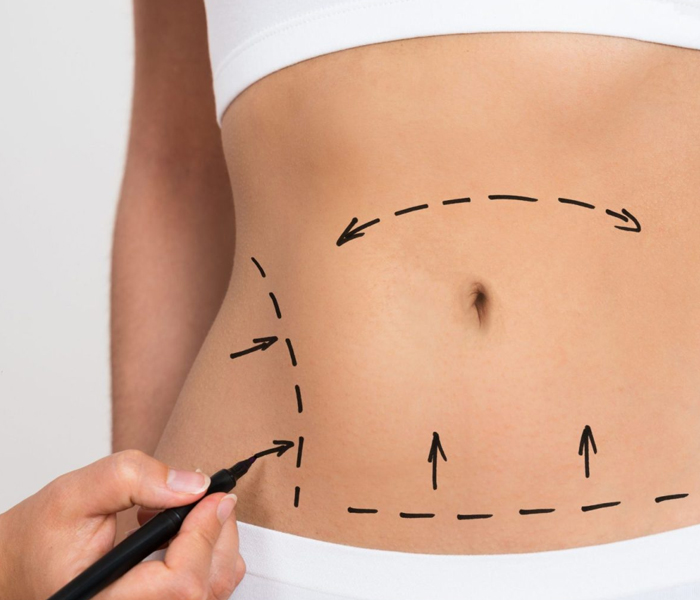
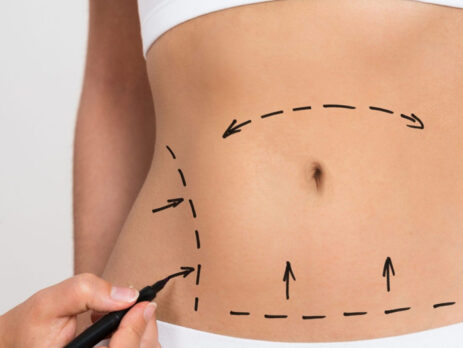
Although tummy tuck surgery and liposuction can be applied to the same area, they are actually two distinct aesthetic surgical methods planned to solve different problems. While liposuction primarily aims to reduce localized fat excesses and shape the body contour, tummy tuck surgery focuses on removing excess and sagging skin, tightening the abdominal wall when necessary, and creating a firmer abdominal appearance.
Therefore, there is no single answer to the question “Is tummy tuck or fat removal better?” that applies to everyone. The correct method should be determined by evaluating skin elasticity, degree of sagging, distribution of fat, condition of abdominal muscles, previous pregnancies, weight changes, and the patient’s expectations.
The initial examination or consultation at Op. Dr. Şükrü İşler Aesthetic Clinic is free. You can benefit from a free initial consultation to learn whether the problem in your abdominal area can be more suitably corrected with liposuction, a tummy tuck, or a combination of both methods.
Tummy Tuck or Liposuction? A Brief Answer
If the main problem in the abdominal area is stubborn fat and skin quality is sufficient, liposuction; if there is significant skin sagging, laxity, and separation or weakness in the abdominal wall, a tummy tuck surgery may be more appropriate. In individuals with both fat accumulation and skin sagging, tummy tuck and liposuction can be considered together within the same treatment plan.
In the simplest terms:
- If excess fat is the primary concern: Liposuction may be considered.
- If excess and sagging skin is the primary concern: A tummy tuck may be considered.
- If there is laxity or separation in the abdominal muscles: A tummy tuck can provide a more comprehensive solution.
- If there is both fat accumulation and sagging: A tummy tuck and liposuction can be planned together.
However, this distinction is merely a general guide. The definitive surgical plan should be formed after a physical examination and personalized assessment.
What is Liposuction and What Does It Do?
Liposuction is a body contouring procedure aimed at surgically removing fat tissues that accumulate in specific areas of the body and can be difficult to reduce despite diet and exercise. It can be applied to different areas such as the abdomen, waist, hips, back, arms, thighs, and chin.
Liposuction is not a weight loss surgery. Its primary goal is not to reduce the number on the scale as much as possible, but rather to make body contours more balanced and to reduce localized fat deposits.
When liposuction is applied to the abdominal area, the excess fatty tissue under the skin is targeted. However, liposuction does not surgically remove excess skin or tighten abdominal muscles. Therefore, individuals with good skin elasticity and no significant skin sagging are generally more suitable candidates for liposuction.
For more detailed information about modern body sculpting methods, you can visit the Vaser Liposuction for localized fat removal page.
What is Tummy Tuck Surgery?
Tummy tuck surgery, medically known as abdominoplasty, is a surgical procedure aimed at removing excess and loose skin in the abdominal area and achieving a firmer and more balanced appearance for the abdomen. In suitable patients, laxity or muscle separation in the abdominal wall may also be considered within the scope of the operation plan.
Tummy tuck surgery may be considered, especially for sagging that occurs after pregnancies, significant weight loss, aging, and decreased skin elasticity.
While liposuction focuses only on fatty tissue, tummy tuck surgery is a more comprehensive procedure that can also address excess skin and structural issues in the abdominal wall.
For information about the details of the operation, who it is suitable for, and the recovery process, you can review the tummy tuck surgery and abdominoplasty page.
What is the Most Important Difference Between Tummy Tuck and Liposuction?
The main difference between a tummy tuck and liposuction is the targeted tissue. While liposuction primarily aims to reduce excess fat tissue, a tummy tuck operation aims to remove excess and sagging skin and, if necessary, tighten the abdominal wall.
Therefore, a person who only has excess fat in the abdominal area but has firm and elastic skin may not need a tummy tuck. In contrast, applying only liposuction to a person with significant skin sagging may not eliminate the problem of excess skin.
In fact, in some individuals with insufficient skin elasticity, existing looseness may become more visible after the reduction of fat volume. Therefore, when choosing an operation, attention should be paid not only to the amount of fat but also to the skin’s recovery capacity.
Tummy Tuck vs. Liposuction Comparison
| Feature | Tummy Tuck | Liposuction |
|---|---|---|
| Primary Goal | Remove excess skin and tighten the abdominal area | Reduce localized fat tissue and create contour |
| Effect on skin sagging | Directly targets significant excess skin | Does not remove excess skin |
| Intervention on abdominal muscles | Can be considered in necessary patients | Muscles are not intervened |
| Effect on excess fat | Can be supported with liposuction if necessary | Primary target is fat tissue |
| Surgical scar | Surgical incision scar is present in the lower abdomen | Small entry points are used |
| Recovery process | Can be more extensive | Generally a more limited surgical procedure |
| Most suitable candidate | Individuals with significant skin sagging and laxity | Individuals with good skin elasticity and localized fat deposits |
Who Might Be More Suitable for Liposuction?
Liposuction can be considered especially for individuals who are close to their ideal weight but complain about stubborn fat accumulations around their abdomen and waist.
Suitable candidates for liposuction generally have the following characteristics:
- Presence of localized excess fat in the abdominal area,
- Sufficient skin elasticity,
- Absence of significant and advanced skin sagging,
- General health condition being suitable for a surgical procedure,
- Having realistic expectations regarding the results.
For example, liposuction might be sufficient for a young or middle-aged person with some fat deposits in the abdominal area but tight skin. In contrast, if the abdominal skin has significantly sagged after childbirth or substantial weight loss, simply removing fat may not achieve the desired result.
Who Might Be More Suitable for Tummy Tuck?
Tummy tuck surgery is especially considered for individuals where excess skin and tissue laxity are prominent. Among the most common candidate groups are those who have experienced significant changes in their abdominal area after pregnancy and individuals who have developed excess skin after significant weight loss.
A tummy tuck might be a more suitable option in the following situations:
- If there is significant skin sagging in the lower or upper abdominal area,
- If the abdominal skin has not returned to its former tightness after pregnancy,
- If excess skin has formed after significant weight loss,
- If there is laxity in the abdominal wall,
- If folds occur around the navel and below the abdomen,
- If sufficient recovery is not expected with liposuction alone.
For more detailed information about all aesthetic options for the abdominal area, you can also review the abdominal aesthetics page.
Is Liposuction Sufficient If There is Abdominal Sagging?
The answer to this question depends on the cause and degree of the sagging. If the bulky appearance in the abdominal area is largely due to fat tissue and skin elasticity is sufficient, a more balanced contour can be achieved after liposuction.
However, if there is a significant amount of excess skin, liposuction does not remove this skin. Therefore, in individuals with severe sagging, fat removal alone may not be sufficient.
Especially if a skin fold has formed in the abdominal area after childbirth or significant weight loss, the main source of the problem is not solely fat. In such cases, a tummy tuck operation can be considered a more comprehensive option.
If There is Abdominal Muscle Separation, Which is Preferred?
After pregnancies and some significant weight changes, separation may occur in the muscle structures of the anterior abdominal wall. This condition can contribute to the abdominal area appearing prominent even if the person is thin.
Liposuction can reduce subcutaneous fat tissue but is not a procedure that repairs abdominal muscles. In suitable patients with significant laxity or muscle separation in the abdominal wall, the repair of these structures can be considered as part of a tummy tuck operation.
Therefore, the answer to the question “Does my belly look big due to fat or muscle laxity?” is important for operation selection. Physical examination, evaluation of the abdominal wall and skin quality help to make this distinction.
Tummy Tuck or Liposuction After Childbirth?
The abdominal area does not undergo a single type of change after childbirth. In some women, only localized fat accumulation is observed, while in others, skin laxity, stretch marks, abdominal wall looseness, and fat accumulation may be present together.
If the skin has largely recovered after childbirth but stubborn fat remains around the abdomen and waist, liposuction may be considered. Conversely, if there is significant skin sagging and abdominal wall laxity in the abdominal area, a tummy tuck might be more suitable.
In cases where both fat accumulation and excess skin are present, combining the two methods may be considered. The aim here is not only to create a flat abdomen, but to plan a more balanced body contour by evaluating the abdominal and waist area as a whole.
Tummy Tuck or Liposuction After Weight Loss?
In individuals who have lost a significant amount of weight, the problem is often not just the remaining fat tissue. When the skin remains stretched for a long time, it may not recover sufficiently after weight loss, and excess skin can form.
If the skin has largely recovered after weight loss but limited localized fat deposits remain, liposuction may be considered. However, if there is significant excess skin and folding in the abdominal area, a tummy tuck might be a more suitable option.
To get information about body contouring options for different parts of the body, you can visit the body aesthetics page.
Can Tummy Tuck and Liposuction Be Performed Simultaneously?
Yes, in suitable patients, tummy tuck surgery and liposuction can be performed together within the same surgical plan. This approach is often associated with the concept of lipoabdominoplasty in the literature.
While excess skin is removed with a tummy tuck, liposuction can specifically help reduce fat deposits around the abdomen, waist, and flanks. Thus, a more balanced shaping can be aimed for, not only from a frontal view but also in terms of the body’s overall silhouette.
However, the decision for a combined operation is not automatically applied to everyone. The scope of the procedure should be determined by evaluating the individual’s general health status, body structure, fat amount, skin quality, and surgical risks.
In scientific literature, there are various studies on the results and safety of combining tummy tuck and liposuction. Academic publications on this topic include studies titled Safety of Lipoabdominoplasty Versus Abdominoplasty: A Systematic Review and Meta-Analysis, Safely Combining Abdominoplasty with Aggressive Abdominal Liposuction and Standards and Trends in Lipoabdominoplasty.
Is Tummy Tuck or Liposuction More Permanent?
In both procedures, the long-term maintenance of results is closely related to the individual’s lifestyle. With liposuction, a portion of the fat cells in the targeted areas is removed. However, if the person subsequently gains a significant amount of weight, the remaining fat cells can grow, and the body contour may change again.
The excess skin removed in a tummy tuck surgery does not grow back; however, pregnancy, significant weight fluctuations, and the aging process can change the appearance of the abdominal area over time.
Therefore, after both tummy tuck and liposuction, a balanced diet, regular physical activity, and as stable a weight as possible can help maintain the results.
Is Tummy Tuck or Liposuction a More Difficult Surgery?
Tummy tuck surgery is generally a more comprehensive surgical procedure than liposuction. Due to the removal of excess skin and, when necessary, the tightening of the abdominal wall, the recovery process can also be more extensive.
Liposuction, while varying depending on the extent of the treatment area and the amount of fat to be removed, is typically performed with more limited incisions in most cases. However, liposuction is also a surgical procedure and has its own specific risks, recovery process, and patient selection criteria.
One of the comprehensive academic studies examining risk factors and complication rates in tummy tuck surgeries is the publication titled Abdominoplasty: Risk Factors, Complication Rates, and Safety of Combined Procedures. Such scientific data demonstrate the importance of proper patient selection and personalized surgical planning in aesthetic surgery.
Does Skin Sag After Liposuction?
How much the skin will tighten after liposuction can vary depending on the person’s age, genetic characteristics, skin elasticity, the amount of fat, and the treated area.
In individuals with good skin quality, the skin may adapt better to the new body contour after fat volume is reduced. However, in individuals who already have significant laxity, the desired level of tightening may not be achieved.
Therefore, when planning liposuction, the focus should not only be on the question “How much fat can be removed?” but also on “How will the skin behave after the fat is removed?”
Does a Scar Remain After Tummy Tuck?
Since tummy tuck requires a surgical incision, scar formation is expected. The incision is usually planned to remain hidden under underwear or a bikini. The length of the scar may vary depending on the technique to be applied, the amount of excess skin, and the individual’s anatomy.
The appearance of scars may change over time. Since wound healing differs from person to person, the final appearance of the scar can be influenced by genetic characteristics, skin structure, smoking, wound care, and individual healing properties.
The evaluation of different options, such as mini tummy tuck and full tummy tuck, is made based on the location and degree of sagging.
Mini Tummy Tuck or Liposuction?
Mini tummy tuck may be considered particularly for individuals with limited excess skin below the navel. Compared to a full tummy tuck, a mini tummy tuck targets a more limited area.
If the problem in the lower abdomen is solely fat accumulation, liposuction might be sufficient. However, if there is limited excess skin in addition to fat accumulation, a mini tummy tuck or a combined approach may be considered.
Which method is more suitable cannot be determined solely based on a photograph or the individual’s self-assessment. The amount of excess skin and the condition of the abdominal wall should be evaluated during an examination.
Does Tummy Tuck or Liposuction Yield Better Results?
The best result is achieved by applying the correct procedure to the correct problem. Therefore, it is not correct to generally compare tummy tuck and liposuction by asking “which one is better?”
While a tummy tuck may be more effective for an individual with significant skin laxity, liposuction might be more suitable for someone with firm skin and only localized fat deposits. For an individual with both excess skin and fat accumulation, a combined approach may provide more balanced results.
In other words:
- Liposuction is a more targeted method for fat.
- Tummy tuck is a more comprehensive method for sagging skin.
- Tummy tuck allows for the assessment of laxity in the abdominal wall.
- A combined approach can target both skin and fat issues simultaneously in suitable patients.
Recovery Process After Tummy Tuck and Liposuction
The recovery period varies according to the scope of the procedure performed and the individual’s characteristics. After liposuction, swelling, bruising, and tenderness may be observed. After a tummy tuck, a more comprehensive surgical recovery process is involved.
After both procedures, it is important to follow the doctor’s recommendations regarding corset use, wound care, activity plan, and follow-up appointments. The return time to heavy exercise and intense physical activity should be determined according to the individual and the surgical method applied.
It should not be forgotten that the swelling seen in the early period of the recovery process does not reflect the final result. The settling of the body contour and the healing of tissues require time.
Are Tummy Tuck and Liposuction Risky?
As with any surgical procedure, there are also some risks in tummy tuck and liposuction procedures. Complications such as bleeding, infection, fluid accumulation, wound healing problems, contour irregularities, anesthesia-related risks, and blood clot formation should be addressed within the scope of surgical evaluation.
The risk level may vary depending on the person’s age, general health status, body mass index, smoking habits, co-existing diseases, and the scope of the procedure to be performed.
Therefore, general information on the internet does not substitute for a personal medical evaluation. Before planning aesthetic surgery, the individual’s health history should be evaluated in detail, and their expectations should be openly discussed with their surgeon.
How Should You Decide Between Tummy Tuck and Liposuction?
It is not always easy to definitively determine which procedure is necessary by looking at your own abdominal area. This is because a problem that appears outwardly as fat accumulation might be accompanied by skin laxity or structural changes in the abdominal wall.
For the correct decision, the following factors should be evaluated together:
- Amount of fat in the abdominal area,
- Where the fat is concentrated,
- Skin elasticity,
- Amount of excess skin,
- Condition of the abdominal wall,
- Previous pregnancies,
- History of weight gain and loss,
- Current health status,
- The individual’s expectations and goals.
The first examination or consultation at Op. Dr. Şükrü İşler Aesthetic Clinic is free of charge. You can benefit from a free initial consultation to evaluate your abdominal area and discuss whether a tummy tuck, liposuction, or a combined approach would be more suitable for you.
Why Is Personalized Aesthetic Planning Important?
Even if two individuals’ abdominal areas appear similar externally, the surgical procedure they need may not be the same. While the primary issue for one person might be subcutaneous fat tissue, for another, excess skin and abdominal wall laxity might be prominent.
Therefore, in aesthetic surgery, it is important to plan according to the individual’s anatomy, expectations, and health status, rather than a standard operation. The goal is not merely to remove as much fat or skin as possible; it is to aim for a result that is harmonious with body proportions, balanced, and natural-looking.
Frequently Asked Questions
Is a tummy tuck or liposuction better?
Neither procedure is generally better than the other, as both target different issues. Liposuction may be more suitable if localized fat accumulation is the primary concern, while a tummy tuck might be better if there is significant skin sagging and abdominal wall looseness. If both fat accumulation and sagging are present, both procedures can be considered together.
Does liposuction remove belly sag?
Liposuction reduces excess fat tissue but does not surgically remove excess skin. Therefore, it may not be sufficient on its own for individuals with significant skin sagging.
Is fat also removed during a tummy tuck surgery?
In suitable patients, tummy tuck surgery can be combined with liposuction. This way, while excess skin is removed, specific fat deposits around the abdomen and waist can also be targeted.
Does the abdomen get fatty again after liposuction?
If a significant amount of weight is gained after liposuction, the remaining fat cells can enlarge, and the body contour may change. Maintaining a stable weight and healthy lifestyle habits are important for preserving the results.
Is a tummy tuck or liposuction performed after childbirth?
This decision depends on the changes that occur after childbirth. If there is only localized fat accumulation, liposuction may be considered. If there is significant skin sagging and abdominal wall laxity, a tummy tuck may be evaluated. In some individuals, both procedures can be planned together.
Can a tummy tuck be performed after a C-section?
In suitable patients, a history of previous cesarean section is evaluated during tummy tuck planning. Existing surgical scars, tissue structure, and the patient’s general health condition must be examined by the surgeon.
Can tummy tuck and liposuction be performed simultaneously?
Yes. In suitable patients, both procedures can be combined within the same surgical plan. However, this decision should be made after evaluating individual risks and the scope of the operation.
Is a tummy tuck a weight loss surgery?
No. A tummy tuck is not an obesity or weight loss surgery. Its primary goal is to correct excess skin and looseness in the abdominal area, creating a more balanced abdominal contour.
Is liposuction a weight loss method?
No. Liposuction is also not a weight loss method. It is a surgical procedure aimed at reducing localized fat deposits and shaping body contours.
Can one get pregnant again after a tummy tuck?
A tummy tuck is not a procedure that prevents fertility. However, since future pregnancy can affect the abdominal skin and wall again, the timing of the operation should be discussed with the surgeon in line with personal plans.
Where is the tummy tuck scar located?
The scar is usually planned to be in the lower abdominal area and hidden under underwear. The length and position of the scar may vary depending on the technique applied and the amount of excess skin.
Does tummy tuck or liposuction heal faster?
In most cases, liposuction is a more limited surgical procedure compared to a tummy tuck, so the recovery period may be shorter. However, the extent of the treatment area and individual characteristics affect the healing time.
Tummy Tuck or Liposuction? Which Should You Ultimately Choose?
The answer to the question of tummy tuck or liposuction depends on what the main problem in the abdominal area is. If the main issue is stubborn localized fat and skin elasticity is sufficient, liposuction may be a suitable option. If there is significant skin sagging, laxity, or structural changes in the abdominal wall, a tummy tuck surgery can provide a more comprehensive solution.
In suitable patients who have both excess fat and sagging, tummy tuck and liposuction can be planned together. Therefore, the most appropriate approach is not to choose the procedure based solely on its name or popularity, but to correctly identify the source of the problem in the abdominal area.
The initial examination or consultation at Op. Dr. Şükrü İşler Aesthetic Clinic is free of charge. You can take advantage of a free initial consultation to assess fat accumulation, sagging, and laxity in your abdominal area; and to determine whether a tummy tuck, liposuction, or both procedures combined would be more suitable for you.
This content has been prepared for general informational purposes. It does not constitute a diagnosis, treatment, or personal surgical recommendation. A personal evaluation by a plastic, reconstructive, and aesthetic surgery specialist is required to determine the appropriate surgical method.