How Many Days Does Swelling After Lip Filler Last? Day by Day Healing Process
How Many Days Does Swelling Last After Lip Filler? Day-by-Day Recovery Process
How Many Days Does Swelling Last After Lip Filler? | Normal Duration, Recovery Timeline and Things to Consider
Swelling after lip filler significantly reduces in most people within 2 to 7 days. In some individuals, it may take 10–14 days, or even 2–4 weeks for those with more sensitive skin types, for the lips to fully settle and the final appearance to emerge. This is often normal; because the lip area has both a vascular and sensitive anatomical structure, and temporary edema is expected after injection.
The purpose of lip filler is to give the lips a fuller, more balanced, and aesthetic appearance. The fillers used are mostly hyaluronic acid-based, and these products are considered safe as they are compatible with the body. However, mild swelling, redness, tenderness, and bruising may be observed after the application. These effects are generally not permanent. You can also find basic information about lip filler on our Lip Filler – Bursa Lip Filler page.
Why Does Swelling Occur After Lip Filler?
Swelling is a natural response of the body to injection. Needle insertions create mild trauma within the tissue. In addition, hyaluronic acid-based fillers have water retention properties; this can lead to the lips appearing larger than they are in the first few days. Academic studies report that temporary swelling and edema after lip filler are among the most common side effects.
Therefore, if your lips initially look “larger than you expected” after the procedure, it usually does not mean that the filler was incorrectly applied. What is important is that the swelling consistently subsides within days. In many studies, swelling is more pronounced in the first 24–48 hours and then begins to decrease in the following days; some patients experience significant relief within the first week.
How Many Days Does Swelling Last? Day-by-Day Healing Process
First 24 hours: The lips may be most sensitive and most swollen. Mild burning, tightness, and tenderness to the touch are normal. The appearance during this period is not the final result.
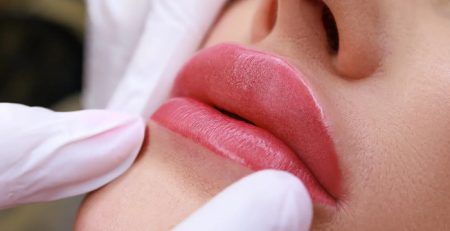
Days 1–3: Most of the swelling peaks during this period. Especially on the first night and second day, the lips may appear larger, firmer, or asymmetrical. This is a natural part of the healing process.
Days 4–7: Swelling generally decreases significantly. If there is bruising, its color begins to fade. The lip contour becomes more defined.
Days 8–14: The integration of the filler with the tissue increases. A large part of the final appearance emerges during this period. In many patients, the results are now more balanced and natural.
Weeks 2–4: In individuals with sensitive structures, very thin lips, or cases where excessive treatment was performed, the full settling period may be slightly longer. Therefore, the most accurate evaluation is made not in the early days, but after healing is complete.
Which Swelling is Normal, and Which is Not?
Normal swelling may be accompanied by mild pain, tightness, a feeling of warmth, temporary enlargement of the lips, and minimal bruising. These findings should gradually decrease. Your lips looking different in the first few days is not considered a problem on its own.
However, you should consult your doctor in the following situations: swelling increasing day by day, excessive redness and increased warmth in the lip, severe pain, discoloration, hard and painful nodules, discharge, fever, or difficulty breathing. These are rare but should be evaluated carefully. Expert examination is especially important for long-lasting or delayed reactions.
What Should Be Done to Reduce Swelling?
It is very important to rest the lip area in the first 24–48 hours after the procedure. Cold compresses can be applied at short intervals; however, ice should not be applied directly to the skin. A cold application wrapped in a clean cloth or towel is more suitable. Extremely hot drinks, sauna, steam baths, intense exercise, and movements that put pressure on the lips can increase swelling in the first few days.
Drinking plenty of water, sleeping with your head slightly elevated, and not unnecessarily touching your lips frequently support healing. If your doctor has given you a specific care protocol, apply it primarily. Since each patient’s skin structure and circulation are different, the healing time may vary from person to person.
For more detailed information about general aesthetic applications after lip fillers, you can also visit our Non-Surgical Aesthetics page.
When Do the Results of Lip Fillers Become Clear?
Many people want to see the results immediately after getting lip fillers. However, the initial appearance is not the final result. As the swelling subsides after the injection, the form of the lips becomes more natural. The filler usually settles into the tissue and harmonizes with the facial proportions within 1-2 weeks. In some cases, it might be more appropriate to wait 3-4 weeks for the final result.
Therefore, making a decision in the first few days after the procedure can be misleading. Instead of panicking and thinking “it’s too swollen,” it’s necessary to complete the healing process. Especially those getting lip fillers for the first time will have a much more comfortable experience if they know that the swelling is temporary.
Most Common Mistakes Made Regarding Swelling After Lip Fillers
One of the first mistakes is constantly checking the lips in the mirror and frequently touching them. This can both increase the risk of infection and prolong the swelling. The second mistake is consuming very hot foods and drinks too early. The third mistake is returning to heavy sports, sauna, or intense physical activity too soon. The fourth mistake is immediately thinking the result is “unsuccessful” and demanding additional procedures for the filler. However, the true result cannot be seen until the swelling subsides.
Additionally, for a more comprehensive evaluation of lip aesthetics, the Lip Aesthetics page might be useful. This content is a good starting point for those who want to understand the difference between surgical and non-surgical options.
Can Bruising Also Occur After Lip Fillers?
Yes, bruising can also occur and is often temporary. The lip area is a highly vascularized region. The involvement of delicate capillaries can lead to minor bruising. These bruises usually lighten within a few days, and in some individuals, they may last up to a week. When accompanied by swelling, the lips might appear somewhat more dramatic; therefore, it’s important not to make an early assessment.
In academic publications, swelling and bruising are among the most frequently reported temporary side effects in hyaluronic acid lip filler applications. This information supports that swelling after lip fillers is often a normal part of the healing process. However, follow-up is necessary for rare late reactions.
Why Op. Dr. Şükrü İşler Aesthetic Clinic?
In lip fillers, natural proportion, facial harmony, and personalized planning are very important. Because a good lip filler not only adds volume; it preserves facial expression, defines the lip contour, and provides an unexaggerated aesthetic. As stated on Şükrü İşler Aesthetic Clinic’s Corporate page, the clinic is experienced in filler and botox applications and provides services in the field of aesthetic-plastic surgery.
Correct planning before the procedure also positively affects the perception of swelling after the procedure. Performing the application with the correct technique reduces unnecessary trauma and makes the healing process more comfortable. You can use the Contact page to schedule an appointment or get detailed information.
Who Should Be Especially Careful?
Individuals using blood thinners, those who frequently get cold sores on their lips, those with an allergic constitution, those with connective tissue sensitivity, and those who have experienced prolonged swelling after previous fillers must inform their doctor before the procedure. Because the personal risk profile can affect the duration and intensity of swelling.
For this group, pre-procedure planning is even more important. If necessary, the doctor can adjust the application timing, product selection, or post-procedure care recommendations accordingly.
Frequently Asked Questions
How many days does swelling last after lip fillers?
It significantly reduces in most people within 2–7 days. The final appearance usually settles within 10–14 days.
Is it normal for lips to look very swollen on the first day?
Yes. Swelling may be more noticeable in the first 24–48 hours. This period is not the final result.
When does the swelling completely subside?
Mild swelling may last up to 2 weeks in some individuals. In rare cases, the full settling process may continue for 3–4 weeks.
Is it correct to apply ice after lip filler?
Yes, short-term cold application that does not directly touch the skin can help reduce swelling.
What should I do if the swelling increases?
You should consult your doctor if there is increasing swelling, severe pain, redness, fever, or discoloration over time.
Can I evaluate the results immediately?
No. The appearance in the first few days is temporary. The most accurate evaluation is made after the edema has subsided.
When can I exercise after lip filler?
It is generally more appropriate to avoid strenuous exercise in the first 24–48 hours. Your physician’s recommendation should be taken as the definitive duration.
When is a check-up needed for the second filler?
A follow-up appointment can usually be scheduled around 2 weeks. This is healthier for evaluating the settled state of the filler.
References
- Efficacy and Safety of Hyaluronic Acid Lip Fillers – PubMed
- Hyaluronic Acid Is an Effective Dermal Filler for Lip Augmentation – PMC
- Treatment of Soft Tissue Filler Complications – PMC
- The Redefinition and Volumization of the Lip Area with Hyaluronic Acid Fillers – PMC
- Aesthetic lip filler augmentation is not free of adverse reactions – Frontiers
Note: This content is for informational purposes. You should consult with your specialist doctor for personal evaluation and treatment plan.