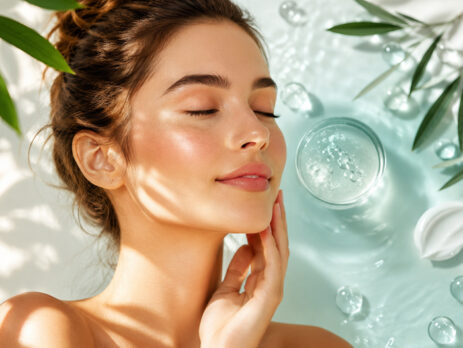
Medical Aesthetic Applications Strengthening the Skin Barrier in Summer
Medical Aesthetic Procedures That Strengthen the Skin Barrier in Summer
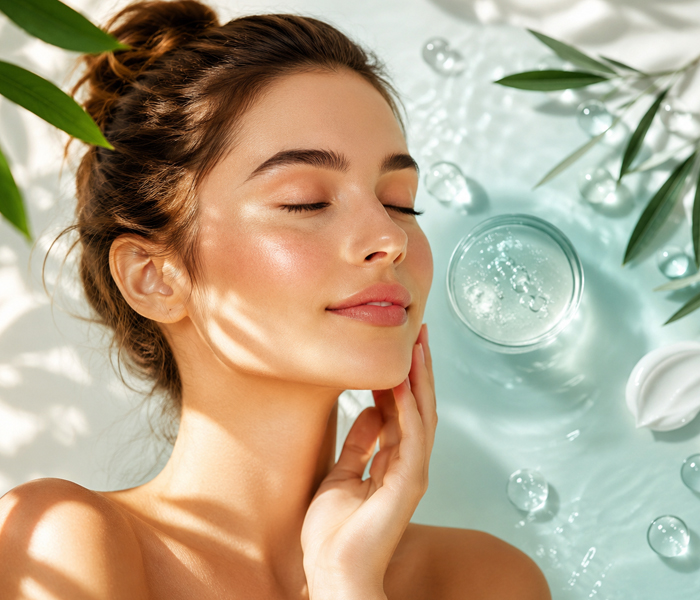
In summer months, the skin is challenged not only by the sun; but also by hot weather, sweating, seawater, chlorinated pool water, frequent showering, air conditioning, makeup residues, and incorrect product use. For this reason, the weakening of the skin barrier can cease to be a seasonal problem and turn into a condition that disrupts comfort. Complaints such as dryness, sensitivity, burning sensation, redness, dullness, flaking, acne tendency, and makeup not sitting well are often signs of barrier fatigue.
The good news is that properly planned medical aesthetic procedures can support the skin without tiring it out. But the goal here is not to “perform aggressive procedures.” In summer, the aim is to increase moisture, calm the skin, support repair processes, and strengthen barrier function without unnecessarily irritating the skin surface. Therefore, the choice of procedure should be personalized.
At Op. Dr. Şükrü İşler Aesthetic Clinic, the first examination or consultation is free. This way, it is understood why your skin is challenged in summer, methods suitable for your needs are evaluated, and a personalized plan is created for you.
Why Does the Skin Barrier Weaken More Easily in Summer?
The skin barrier acts like a protective shield against external factors. It reduces moisture loss, decreases sensitivity, and helps the skin maintain its balance. However, during the summer, this shield can be challenged for many reasons. Sun rays, especially with UVA and UVB effects, can disrupt barrier integrity, increase transepidermal water loss, and lead to the skin becoming more fragile. Sweating increases in very hot weather; frequently wiping away sweat, salt residues after swimming in the sea, or chemical exposure after using a pool can also tire the skin.
Many people reduce their moisturizing support in summer, believing their skin gets oilier. However, oiliness and dehydration are not the same. When the skin surface is dehydrated, it can become more sensitive, tighter, and more reactive. At this point, appropriate medical aesthetic applications can support the skin’s moisture balance, providing a healthier appearance.
1. Barrier-Friendly Cleansing with Medical Skincare
During summer months, the foundation of skincare is gentle yet effective cleansing. Medical skincare aims to purify the skin without over-exfoliating, while helping to remove pore-clogging residues. This is especially important for individuals who use sunscreen, sweat, go into the sea/pool, and are exposed to air pollution in urban life.
The critical point here is to choose a skincare plan that does not tighten or irritate the skin. Harsh peels, very frequent acid applications, or uncontrolled home-based treatments can further weaken the barrier. In contrast, a well-planned medical treatment can soothe the skin, reduce surface accumulation, and prepare the groundwork for subsequent moisturizing/repair-supported applications to work more effectively.
To see the details of the post-summer skin rejuvenation approach, the content on Post-Summer Skin Rejuvenation Methods can also be reviewed.
2. Hydration Support with Hyaluronic Acid-Based Mesotherapy
One of the most frequently considered applications for strengthening the skin barrier during summer months is hyaluronic acid-based mesotherapy. Hyaluronic acid is an ingredient that supports the skin’s water-retention capacity and can provide a plumper, more hydrated appearance. When applied in the form of mesotherapy, the aim is to provide direct support to the skin’s surface.
This approach can be preferred, especially for individuals experiencing dryness, dullness, fine lines, lack of vitality, and a tired expression in their skin. It can be one of the more comfortable options for individuals who do not want to stress their skin with heavy procedures during the summer. However, the application should always be planned according to the skin type; because the content and number of sessions may vary for oily, acne-prone, sensitive, or pigmentation-prone skin.
The Paris Glow application is also one of the popular options considered in this group. For detailed information, you can check the Paris Glow page. Similarly, if special planning is required for the eye area, the Eye Area Mesotherapy content is also useful.
3. Supporting Natural Repair Processes with PRP
PRP, which is platelet-rich plasma obtained from the person’s own blood, is a method used to support the skin’s repair processes. When the barrier weakens in summer, the goal is not only a “radiant appearance” but also the internal support of skin quality. PRP stands out at this point because it focuses on natural healing mechanisms.
PRP can be considered especially for individuals who experience dullness, fine lines, a tired appearance, and a general loss of skin quality. In some cases, it can be planned alone, while in others, it can be combined with mesotherapy or skin-rejuvenating care protocols. PRP can be a good option, especially if a non-aggressive summer protocol is aimed for.
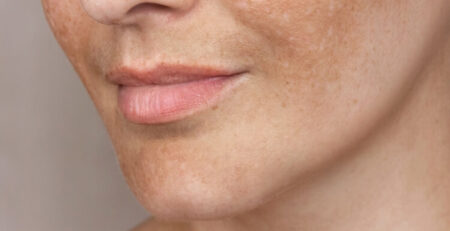
If you want to see the detailed role of PRP for acne scars, tissue irregularities, or skin rejuvenation goals, the PRP Treatment page is suitable. In cases of post-sun hyperpigmentation tendency, PRP can also be a part of a combined plan for suitable individuals. For this topic, the content How to Get Rid of Post-Sun Skin Spots? can be further evaluated.
4. Mild and Properly Chosen Chemical Peeling
Chemical peeling is not always the first choice in summer months; in fact, it can disrupt the skin barrier if chosen incorrectly. However, when applied with the correct intensity, appropriate seasonal planning, and under medical supervision, superficial peelings can help refresh the skin texture. The main principle here is not to strip and damage the skin, but to support controlled regeneration.
Especially if post-sun dullness, superficial tone unevenness, and rough texture are prominent, mild peelings can be among the options. However, if there is active tanning, new sunburn, sensitivity, or a tendency for hyperpigmentation, the procedure may be postponed. If peeling is planned during the summer, a personal analysis is absolutely necessary.
To see a broader skin rejuvenation framework on this topic, the Post-Summer Skin Rejuvenation Methods and How to Get Rid of Post-Sun Skin Spots? pages can be read together.
5. Combined Plans That Don’t Stress the Skin Barrier
In summer, strengthening the skin barrier often yields better results with the right combination rather than a single procedure. For example, a patient might receive medical skin care first, followed by hyaluronic acid-based mesotherapy, and then a PRP plan. Thus, the skin is cleansed, moisturized, and receives repair support.
In another patient, just a light mesotherapy combined with regular protective care might be sufficient. What’s important here is not the procedure popular on social media, but choosing a plan that suits the skin’s actual needs and won’t harm it during the summer season. A strong barrier is often achieved not through exaggerated applications, but with moderate and consistent care.
To see the general approach in the field of non-surgical aesthetics, the Non-Surgical Aesthetics page may also be helpful. For those aiming for a more vibrant and natural appearance, the Non-Surgical Facelift and Facial Rejuvenation Aesthetics content are also complementary.
Which Procedures Should Be Avoided in Summer?
Not every aesthetic procedure may be suitable for the skin barrier in summer. Especially intense exfoliating procedures, deep peels, aggressive laser applications, and uncontrolled procedures in individuals with recent sun exposure can pose a risk. When the skin is already under the burden of heat, sweat, and UV, adding unnecessary irritation can make the barrier even more fragile.
Therefore, when choosing a procedure in the summer months, the recovery period and the need for sun protection must be taken into account. Factors such as sea holidays, outdoor activities, frequent travel, and work pace should also be included in the plan. If proper sun protection is not applied after the procedure, the results obtained may deteriorate more quickly.
For those planning a procedure just before their holiday, the content How Many Days Before a Holiday Should Botox or Filler Be Done? also serves as a guide.
What to Pay Attention to at Home While Protecting the Skin Barrier in Summer?
Medical aesthetic applications provide strong support; however, daily habits significantly affect the results. To protect the skin barrier in summer, it is important to use mild cleansers, avoid washing the skin with excessively hot water, apply moisturizer regularly, and use broad-spectrum sunscreen every day. Excessive exfoliation, harsh scrubbing, uncontrolled acid use, and changing products too frequently can damage the skin.
If you stay under air conditioning for a long time, the skin dries out more easily. After swimming in the sea or pool, gentle cleansing and moisturizing support must be applied. Additionally, the skincare routine should be simplified according to the skin’s changing needs throughout the summer, and professional assessment should be sought if necessary.
To better understand the importance of sun protection, it is beneficial to refer to the American Academy of Dermatology’s approach to sun protection and scientific sources examining the effects of the sun on the skin. The most fundamental step in protecting the barrier during the summer is to regularly defend the skin against UV rays.
Who Can Benefit Most from These Procedures?
Those whose skin dries quickly in summer, those experiencing dullness after sun exposure, those complaining that makeup doesn’t sit well on their skin, those who frequently use the sea/pool, those who spend long periods outdoors for work, and individuals with sensitive skin barriers may benefit more from these treatments. Similarly, individuals whose skin has recently become fatigued, developed uneven tone, or experienced a decline in overall skin quality may also be suitable candidates.
However, if there is rosacea, active eczema, severe acne flare-up, recent sunburn, or significant skin sensitivity, the plan should be made more carefully. In some cases, it’s necessary to calm the barrier first, and then plan aesthetic treatments. For this reason, a personal examination is a much more accurate starting point than general online recommendations.
Why Is the Initial Consultation So Important?
Because simply saying “the skin barrier is weakened” is not enough. The underlying issue could be dryness, incorrect product use, UV damage, excessive sweating, inflammation, a tendency towards rosacea, acne, seasonal sensitivity, or a combination of all of these. During the examination, the skin’s type, tone, tolerance, sun exposure, and expectation level are evaluated.
At Op. Dr. Şükrü İşler Aesthetic Clinic, the initial examination or consultation is free. This ensures that no treatment decision is rushed, and clear, personalized information about the most suitable methods for you can be obtained. To strengthen the skin barrier, the correct dose of intervention, rather than excessive treatment, yields the best results.
Frequently Asked Questions
What is the best treatment to strengthen the skin barrier in summer?
There is no single “best” treatment. Depending on the skin’s needs, medical skin care, hyaluronic acid-based mesotherapy, PRP, or a combination of these may be preferred.
Is it safe to get mesotherapy in the summer?
It can be safe when planned for the right person and with the correct content. However, if there is active tanning, sensitivity, or irritation on the skin, the timing of the procedure should be re-evaluated.
Can PRP be applied in the summer months?
Yes, it can also be considered during the summer for suitable individuals. PRP can be particularly preferred to support skin quality and strengthen repair processes.
How does hyaluronic acid help the skin barrier?
By supporting its water-retention capacity, it can help the skin feel more hydrated, plumper, and more comfortable.
Can chemical peels be done in the summer?
Mild and properly selected peels can be applied to some individuals. However, skin type, sun exposure, and healing times should be carefully evaluated.
Why does skin become sensitive after sun exposure?
UV rays can challenge the skin’s barrier structure, increase moisture loss, and trigger inflammation. This can be felt as sensitivity, dryness, and redness.
What should be done at home to strengthen the skin barrier in summer?
Gentle cleansing, regular moisturizing, adequate water intake, avoiding harsh products, and daily use of sunscreen are fundamental steps.
Can one go out in the sun after the procedure?
It depends on the type of procedure. Sun protection is much more important, especially after applications that superficially affect the skin.
How many sessions do these procedures take?
It varies according to the need. Some applications can be planned with a single session, while others may require several sessions at intervals.
Is the first examination charged?
No. The first examination or consultation at Op. Dr. Şükrü İşler Aesthetic Clinic is free of charge.
Scientific Basis
- The Effect of Sunscreens on the Skin Barrier
- The Skin Barrier and Moisturization: Function, Disruption, and Repair
- Benefits of topical hyaluronic acid for skin quality and signs of aging
- Use of platelet rich plasma for skin rejuvenation
- The Impact of Ultraviolet Radiation on Barrier Function in Skin
Strengthening the skin barrier in summer is important not only for a better appearance, but also to increase skin comfort, reduce sensitivity, and minimize seasonal wear and tear. With proper planning, the skin can achieve a more balanced, vibrant, and healthier appearance. The most accurate approach is determined by a personalized assessment.