Sunspots – Post-Summer Skin Rejuvenation Methods
Post-Summer Skin Rejuvenation Methods: Effective Solutions for Sun Spots and Damaged Skin
Summer months are one of the periods when the skin is most exposed to environmental effects due to sun, high temperatures, seawater, chlorine in the pool, sweating, and changing care routines. At the end of summer, many people may notice their skin appearing drier, duller, more spotty, with more pronounced tone differences, or with fine lines becoming more visible. For this reason, post-summer skin rejuvenation methods are among the most researched aesthetic procedures, especially with the onset of autumn.
However, there is no single method that can be applied to everyone for skin rejuvenation after summer. Since sun spots, dry skin, fine lines, pore appearance, loss of elasticity, and uneven skin tone can arise for different reasons, the method to be applied should be determined according to the individual’s skin type and needs.
At Op. Dr. Şükrü İşler Aesthetic Clinic, the post-summer skin rejuvenation process is planned by evaluating the individual’s expectations and skin needs. The first examination or consultation is free. This way, before deciding on any procedure, you can get information about your skin’s needs and the options that can be considered for you.
Why Might Post-Summer Skin Appear Damaged?
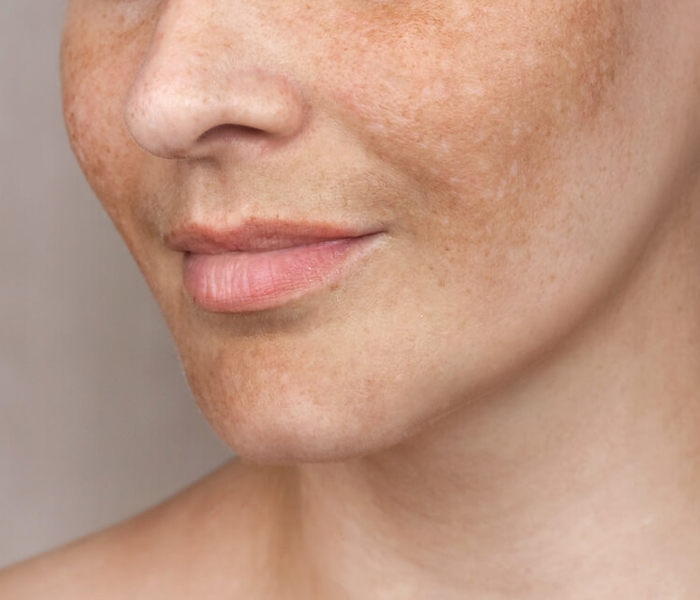
One of the most important reasons for the changes observed in the skin at the end of summer is prolonged and repeated exposure to ultraviolet rays. Sun rays do not only cause temporary tanning on the skin. Repeated UV exposure can be associated over time with uneven skin tone, pigmentation changes, fine lines, and changes in skin texture.
Early signs of aging related to sun exposure are generally defined as photoaging. The visible signs of photoaging can vary from person to person but can be listed as follows:
- Sun spots becoming more prominent,
- Irregularity in skin tone,
- Dull and tired appearance,
- Skin dryness,
- Fine lines becoming more visible,
- Rough appearance in skin texture,
- Loss of elasticity becoming noticeable,
- Increased appearance of pores.
The American Academy of Dermatology states that various professional methods can be evaluated to reduce the appearance of sun-related skin damage. However, which method is suitable may vary depending on skin type, pigmentation characteristics, existing skin problems, and the individual’s expectations.
Changes occurring in the skin after summer should not be considered merely an aesthetic appearance problem. It is important that newly formed, altered in shape or color, bleeding, or non-healing skin lesions are evaluated by a qualified physician before aesthetic procedures.
When Is the Best Time for Post-Summer Skin Renewal?
Autumn months are one of the periods when many skin rejuvenation procedures are more frequently planned due to reduced sun exposure. However, a general approach like “September has arrived, now every procedure can be done” is not correct.
When timing the procedure, the individual’s recent sun exposure, tanning status, skin type, the characteristics of the planned procedure, and the possibility of sun protection after the procedure should all be evaluated together. Correct timing is especially important for procedures that affect the skin surface or create a controlled renewal process.
Therefore, when creating a post-summer skin rejuvenation plan, the current condition of the skin should first be evaluated. While for some individuals, simply reorganizing their skincare routine might be sufficient, for others, professional procedures may become relevant.
What Are Post-Summer Skin Rejuvenation Methods?
The skin rejuvenation methods that can be preferred after summer vary according to the individual’s primary complaint. A different approach may be required if sun spots are prominent, if skin dryness and dullness are prominent, or if fine lines and loss of skin quality are prominent.
Therefore, the best skin rejuvenation method is not the most discussed procedure on the internet; it is the method or combination of methods chosen according to the individual’s needs.
1. Laser Skin Rejuvenation
Laser skin rejuvenation is one of the methods that can be considered to improve the appearance of skin texture, tone differences, and some signs of aging. The effect of the application on the skin, its depth, and the healing process may vary according to the characteristics of the laser technology used.
Laser systems are not a single type of application. Different wavelengths and technologies can target different skin problems. Therefore, a laser treatment that benefits one person may not be suitable for another.
Laser treatments may be considered especially for evaluating the following concerns:
- Uneven skin tone,
- Certain sun-related pigmentation problems,
- Appearance of fine lines,
- Irregularities in skin texture,
- Dull appearance,
- Certain types of acne scars,
- Supporting overall skin quality.
In scientific literature, the effects of laser technologies in skin rejuvenation processes are examined in terms of collagen structure, tissue regeneration, and various histological changes. One of the scientific assessments on the subject can be accessed via NIH – Assessment of Laser Effects on Skin Rejuvenation.
The type and intensity of laser treatment should be determined individually. Especially in individuals who have recently experienced intense sun exposure or whose tan persists, the timing of the procedure needs to be carefully considered.
2. Chemical Peeling
Chemical peeling is one of the methods aiming to create a skin surface renewal process through the controlled application of specific chemical agents. The depth of the application can vary depending on the agent used, concentration, contact time, and the individual’s skin characteristics.
Chemical peeling can be considered especially in the following situations:
- Dull and lifeless skin appearance,
- Uneven skin tone,
- Some superficial pigmentation problems,
- Fine lines,
- Rough skin texture,
- Some acne and acne scar problems.
Peeling procedures can have superficial, medium, and deeper options. Therefore, “getting a chemical peel” does not mean a single type of procedure. As the depth of the application increases, the healing time and points to consider may also change.
For scientific evaluations regarding the use of chemical peels in photoaging and skin rejuvenation, the NIH – Evidence and Considerations in the Application of Chemical Peels publication can be reviewed.
In current scientific literature, the effectiveness of laser applications and chemical peeling methods in skin rejuvenation is also being compared. One of the academic studies evaluating that both approaches can be used in appropriate patient selection can be accessed via PubMed – Laser and Chemical Peel Comparison.
3. Skin Rejuvenation with PRP
PRP application is one of the methods based on applying platelet-rich plasma obtained from the person’s own blood to specific areas. In aesthetic applications, PRP can be considered as part of plans to support skin quality, achieve a more vibrant appearance, and address signs of aging.
PRP may especially be relevant for the following purposes:
- Supporting skin quality,
- Plans aimed at reducing dull appearance,
- Applications targeting the appearance of fine lines,
- Supporting skin regeneration,
- Combined treatment protocols.
Scientific data regarding the use of PRP in aesthetic dermatology continues to evolve. Systematic reviews investigating the potential benefits of PRP, particularly in the field of skin rejuvenation, indicate that results can vary depending on the protocol used and patient characteristics. One of the scientific reviews on the subject can be examined via NIH – Platelet-Rich Plasma in Aesthetic Dermatology.
In another scientific review, the effects of PRP on facial rejuvenation were examined. The relevant publication can be accessed via NIH – Does Platelet-Rich Plasma Promote Facial Rejuvenation?.
As with any aesthetic method, results from PRP application can vary from person to person, and the suitability of the treatment should be evaluated after an examination.
4. Mesotherapy and Applications Supporting Skin Quality
One of the most common problems the skin experiences at the end of summer is moisture loss and a dull appearance. Factors such as sun, hot weather, air conditioning, sea, and pool can affect a person’s daily skincare routine and the appearance of their skin.
Different ingredients and protocols can be used in mesotherapy applications. The goal is the controlled application of substances determined according to the individual’s skin needs. However, “mezoterapi” is a general application heading, and the content of the products used, the application method, and the session plan can vary.
In the post-summer period, mesotherapy-like applications can be considered, especially for moisture loss, dull appearance, and supporting overall skin quality. However, the appropriate ingredients should be determined based on the individual’s skin structure.
5. Microneedling and Collagen-Stimulating Approaches
Microneedling is one of the methods aimed at stimulating natural regeneration mechanisms by creating controlled micro-channels on the skin. The application can be considered for supporting skin texture, certain scars, pore appearance, and overall skin quality.
Microneedling can be applied alone or, in some cases, combined with different methods. However, the decision for combination, the suitability of performing the applications in the same session or at different times, and the session intervals should be planned individually.
Especially for skin prone to pigmentation, treatment intensity and post-procedure care are important. It should be remembered that a stronger application does not always mean a better result.
6. Can Botox and Filler Applications Be a Part of Skin Rejuvenation?
Botox and filler applications are not methods that directly treat sun spots. However, in a general facial assessment performed after summer, expression lines, volume loss, or changes in facial contours may also be among the person’s complaints.
While botulinum toxin applications are primarily evaluated for the appearance of lines accentuated by mimic movements, filler applications can be planned according to volume and contour needs in specific areas.
For example, to get more detailed information about expression lines around the eyes and different treatment options, you can review our content titled crow’s feet wrinkles and treatment methods.
How to Get Rid of Sun Spots After Summer?
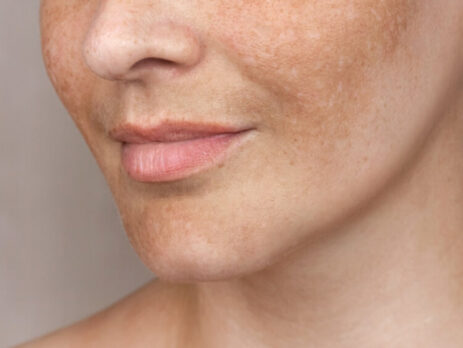
One of the most common complaints at the end of summer is the prominence of previously unnoticed spots or the darkening of existing pigmentation problems. However, not all brown spots are the same.
Sunspots, melasma, freckle-like pigmentations, and different skin lesions should be differentiated. Therefore, choosing a treatment online based solely on appearance may not be correct.
The following options can be considered in plans aimed at reducing the appearance of sunspots:
- Professional skin care protocols,
- Suitable topical care products,
- Chemical peeling applications,
- Appropriate laser and light technologies,
- Combined applications,
- Regular and proper sun protection.
One of the most important points here is the correct evaluation of the type of spot. Incorrect applications can lead to increased pigmentation in some individuals. Therefore, personalized planning is important, especially for skin prone to melasma or easily forming spots.
How to Remedy Post-Summer Skin Dryness and Dullness?
Post-summer skin renewal is not limited to professional procedures such as lasers or peels. Supporting the skin barrier, adequate moisturization, and continued sun protection are also important parts of the process.
When re-evaluating your skincare routine at the end of summer, the following basic steps can be considered:
- Using gentle cleansers that do not over-dry the skin,
- Choosing a moisturizer suitable for your skin type,
- Continuing to use sunscreen in autumn as well,
- Avoiding using too many active products simultaneously and uncontrollably,
- Not applying active ingredients like peels and retinoids thoughtlessly one after another,
- Comply with the professional post-procedure care recommendations.
In the skin rejuvenation process, the approach of “the more products, the faster the results” is not correct. Especially in individuals with a sensitive skin barrier, uncontrolled use of numerous active ingredients can cause irritation, redness, and sensitivity.
Combined Treatments in Post-Summer Skin Rejuvenation
Since skin aging and sun damage do not result from a single mechanism, a combined approach may be considered for some individuals instead of a single application. For example, a person may have uneven skin tone, fine lines, and volume loss.
In such a situation, instead of trying to solve all complaints with a single application, a phased plan targeting different problems can be created.
What is important in combined planning is not to perform as many procedures as possible simultaneously; it is to apply the right procedure, to the right person, in the right order, and at appropriate intervals.
To learn about the timing of aesthetic procedures before a special event, wedding, or important date, you can also review our guide titled pre-wedding aesthetic plan and the correct timing of procedures.
How Many Sessions Does Post-Summer Skin Rejuvenation Take?
The number of sessions required for skin rejuvenation treatments varies depending on the method applied and the individual’s needs. While some applications may be part of a single-session plan, multiple sessions at specific intervals may be recommended for certain methods.
Factors that may affect the number of sessions include:
- Skin type,
- Age,
- Degree of sun damage,
- Type of spot or pigmentation,
- Loss of elasticity in the skin,
- Characteristics of the applied method,
- The individual’s healing response,
- The expected outcome.
Therefore, it is not appropriate to give a definitive number of sessions for everyone without an examination.
When Are Post-Summer Skin Rejuvenation Results Visible?
The time it takes for results to appear may vary depending on the application. While changes may be noticed as the healing process is completed in some applications effective on the skin surface, the development of results may take longer in methods targeting collagen restructuring.
Furthermore, skin rejuvenation is often not a process that occurs in a single day. In some applications, the development of the skin’s biological response may continue over weeks or months.
Therefore, it is important to establish realistic expectations before the procedure.
Is Post-Summer Skin Rejuvenation Suitable for Everyone?
No. Not every skin rejuvenation application is suitable for everyone. Many factors such as the individual’s health status, medications used, active skin infections, conditions related to wound healing, pregnancy or breastfeeding period, recent sun exposure, and skin type should be evaluated.
Additionally, evaluation may be required before the application in individuals with active herpes, infection, severe irritation, or skin lesions whose cause has not yet been determined.
Therefore, a procedure should not be chosen solely based on results seen on social media or a treatment plan applied to another person.
Why Is Sunscreen Important in Post-Summer Skin Rejuvenation?
Sun protection is not only necessary during the summer months. Ultraviolet exposure continues during autumn and winter months as well. Especially after skin rejuvenation procedures, it is important to follow the sun protection plan recommended by the physician.
Sun protection is important not only for helping to reduce the risk of new spots forming, but also for maintaining the appearance achieved after the application.
A sun protection plan can generally be supported by proper sunscreen use, avoiding direct intense sun exposure, and physical protective measures when necessary.
What Should Be Considered Before Undergoing Post-Summer Skin Rejuvenation?
Before deciding on any aesthetic procedure, it is useful to answer the following questions:
- What is my primary skin problem?
- What is the purpose of the procedure?
- Is it suitable for my skin type?
- How many sessions might be needed?
- How long might the recovery process take?
- What should I pay attention to after the procedure?
- Will recent sun exposure affect the procedure?
- Is the result I expect realistic?
At Op. Dr. Şükrü İşler Aesthetic Clinic, the initial examination or consultation is free of charge. During this consultation, the person’s expectations are listened to, suitable methods are evaluated, and information about the process is provided.
What is the Best Method for Post-Summer Skin Rejuvenation?
There is no single “best method” for post-summer skin rejuvenation for everyone. The most suitable method is determined according to the person’s skin type, primary concern, level of sun damage, tendency for pigmentation, recovery time expectations, and overall health status.
For example, the needs of a person experiencing superficial dullness are not the same as those of a person with prominent sun spots. Similarly, the treatment plan for a person with prominent fine lines may differ from that of a person complaining about irregularities in skin texture.
Therefore, personalized assessment is the foundation of proper planning in aesthetic procedures.
Post-Summer Skin Rejuvenation at Op. Dr. Şükrü İşler Aesthetic Clinic
If, after the summer months, you notice sun spots, dullness, dryness, uneven tone, fine lines, or a generally tired appearance on your skin, a personalized plan can be created by evaluating options suitable for your needs.
At Op. Dr. Şükrü İşler Aesthetic Clinic, the goal is not to recommend the same procedure to everyone, but to provide information about suitable options by evaluating the individual’s expectations and needs.
The initial examination or consultation is free. You can benefit from a free initial consultation to find out which method might be suitable for your skin, to evaluate the changes that occur after summer, and to get information about a personalized skin rejuvenation plan for you.
Remember; a successful skin rejuvenation plan does not begin with choosing the most popular procedure, but with correct assessment and personalized planning.
Frequently Asked Questions
When should post-summer skin care be done?
The appropriate time varies depending on the planned procedure and the individual’s recent sun exposure. Although autumn months are a period when many procedures are more frequently planned, active tanning, intense sun exposure, and skin sensitivity must definitely be evaluated.
Do post-summer sun spots completely disappear?
The result varies according to the type and depth of the spot. Not all pigmentation is the same. Sun spots, melasma, and other pigmentation problems may require different approaches. Therefore, it is important to evaluate the spot first.
What is the most effective method for post-summer skin rejuvenation?
There is no single most effective method. Laser applications, chemical peels, PRP, mesotherapy, and other skin rejuvenation methods can be evaluated according to the individual’s needs. The most suitable option is determined after an examination.
Does sun-damaged skin regenerate itself?
Skin has a natural capacity for regeneration. However, accumulated sun damage, pigmentation changes, and signs of photoaging may not always disappear completely on their own. Professional treatments and a proper skincare routine can help improve its appearance.
Can chemical peeling be done after summer?
Chemical peeling can be considered for suitable individuals and with correct timing. However, the type and depth of the peel, skin type, and recent sun exposure must be taken into account.
Does the tan need to fade before getting laser treatment after summer?
This situation may vary depending on the laser technology to be used and the individual’s skin characteristics. In some laser applications, recent sun exposure or a tan is an important evaluation criterion. Therefore, a personalized assessment must be made before the procedure.
Can PRP be used for skin rejuvenation after summer?
PRP can be considered as part of plans to support overall skin quality and rejuvenation processes in suitable individuals. Eligibility and session plan are determined on a case-by-case basis.
How many sessions do skin rejuvenation treatments take?
The number of sessions varies depending on the method applied, the individual’s skin problem, and the expected outcome. Some applications can be planned as a single session, while others may require multiple sessions.
Can one go out in the sun after skin rejuvenation treatments?
Sun protection recommendations may vary depending on the type of procedure. It is especially important to follow the sun protection plan recommended by the physician after procedures that affect the skin surface.
Do post-summer skin rejuvenation procedures hurt?
The discomfort felt may vary depending on the type and intensity of the application, and the individual’s sensitivity. Methods to increase comfort can be applied before the procedure.
Can multiple skin rejuvenation methods be applied together?
Combined treatment plans can be created for suitable individuals. However, which applications should be done together or at what intervals should be determined specifically for each person.
Is the first examination or consultation charged?
No. The first examination or consultation at Op. Dr. Şükrü İşler Aesthetic Clinic is free of charge. During this consultation, your expectations and needs will be evaluated, and you can get information about suitable procedures for you.
What steps should I follow for post-summer skin rejuvenation?
The first step is to evaluate the main changes on your skin that bother you. Different methods may come into play depending on spots, dryness, dullness, fine lines, or changes in skin texture. You can get information about options suitable for your needs with a free initial examination or consultation.
Note: This content has been prepared for general informational purposes. The suitability, potential risks, recovery process, and expected results of every medical and aesthetic application may vary from person to person. The definitive treatment plan should be created after examination and personal evaluation.