

Preparations to be Made Before Plastic Surgery
Preparations to Be Made Before Plastic Surgery
The decision for plastic surgery is not limited to the day of the operation alone. For a safe, controlled, and as comfortable a process as possible, preparations should begin weeks before the operation date. Accurately providing one’s medical history, reporting medications used, regulating smoking and nicotine use, completing necessary examinations, and preparing the living space for after surgery are fundamental parts of this process.
In nose aesthetics, breast aesthetics, tummy tuck, liposuction, facelift, eyelid aesthetics, or other plastic surgery procedures, the preparation program is not the same. The scope of the operation, the anesthesia method to be applied, the person’s age, chronic diseases, medications used, and daily lifestyle habits directly affect the preparation plan. Therefore, while general lists found on the internet can provide a useful starting point, they do not replace the personal instructions of your physician and anesthesia team.
At Op. Dr. Şükrü İşler Aesthetic Clinic, the first examination or consultation is free. During the free initial consultation, your expectations, general health condition, past surgeries, medications you use, and the suitability of the planned procedure for you are evaluated. This way, a personalized roadmap can be created, focusing not only on aesthetic goals but also on surgical safety and the recovery process.
Why Is Preparation Before Plastic Surgery Important?
The primary purpose of pre-operative preparation is to reduce modifiable risks as much as possible and to ensure that the individual enters the surgical process more prepared, both physically and psychologically. A detailed preparation process helps identify existing health problems, review medications being used, recognize important conditions from an anesthesia perspective, and establish post-operative care conditions in advance.
The success of the surgery does not depend solely on the surgical technique. The patient’s adherence to pre-operative recommendations, full disclosure of all products used, attention to fasting instructions, and planning the recovery period in advance are also important parts of the process. Especially smoking, uncontrolled medication use, inadequate nutrition, active infection, and lack of post-operative support can negatively affect the recovery process.
Scientific sources also emphasize that pre-operative evaluation is performed to determine the individual’s health status and factors that may affect surgical risk. Detailed scientific evaluations on the subject can be accessed through the pre-operative evaluation article published by NIH.
What Information Should Be Shared During the Initial Examination?
Your first consultation with your plastic surgeon is one of the most important stages of the preparation process. In this consultation, it is not enough to just explain how you want to look. You need to share details about your health completely and accurately.
It will be beneficial to prepare the following information when coming for your initial examination:
- Previous surgeries and medical procedures you have undergone,
- Your known chronic illnesses,
- Your drug or substance allergies,
- Problems you have previously experienced with anesthesia,
- Anesthesia complications observed in your family,
- Prescription medications you use regularly or periodically,
- Over-the-counter pain relievers and cold medications,
- Vitamins, herbal products, and athlete supplements,
- Cigarettes, e-cigarettes, hookahs, and other nicotine products,
- Your frequency of alcohol consumption,
- Possibility of pregnancy or breastfeeding status,
- Previous issues with clotting, excessive bleeding, or wound healing.
This information is requested not to create an obstacle to the surgery, but to help prepare a safer plan for you. For example, it may not be appropriate to schedule the operation date before conditions like high blood pressure, diabetes, thyroid disease, anemia, cardiovascular diseases, sleep apnea, or clotting disorders are brought under control.
Clarify Your Aesthetic Expectations
Preparation before plastic surgery has not only a physical but also a mental aspect. You need to clearly state what you expect from the operation and carefully evaluate the realistic outcomes your surgeon will explain to you.
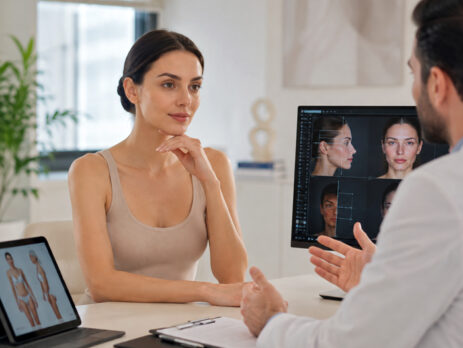
Photographs on the internet, social media filters, and AI-generated images can be used to provide an idea. However, the result seen in another person may not be exactly applicable to your face or body. Skin quality, bone structure, tissue volume, age, existing asymmetry, and healing characteristics vary from person to person.
AI-powered visualizations or digital simulations can facilitate communication but do not guarantee a definitive outcome. Furthermore, the information provided by AI does not replace examination, physical assessment, and the decision of a specialist physician. The aim is to plan a balanced and natural change that is compatible with the individual’s anatomy, rather than pursuing perfection.
Which Tests Are Performed Before Surgery?
The required tests are determined according to the type of operation, anesthesia method, the individual’s age, and health history. The same tests do not need to be requested from every patient. Your doctor or anesthesiologist may request some of the following examinations if deemed necessary:
- Complete blood count,
- Blood sugar measurement,
- Liver and kidney function tests,
- Coagulation tests,
- Electrolyte levels,
- Pregnancy test,
- Electrocardiography,
- Chest X-ray,
- Breast imaging appropriate for age and risk status before breast surgery,
- Additional specialist evaluations for chronic diseases.
Seeing a value outside the normal range in a test result does not definitively mean that surgery cannot be performed. However, if anemia, uncontrolled blood sugar, active infection, or another health problem is identified, this condition may need to be evaluated first. Since safety is a priority in elective aesthetic operations, the surgery date may be postponed if necessary.
Report All Medications and Supplements You Are Using
One of the most important preparations before plastic surgery is to provide the physician with a detailed list of all medications being used. Not only prescription medications, but also painkillers, vitamins, herbal teas, protein products, athlete supplements, and products used for weight loss should be reported.
Some medications and supplements can alter bleeding tendencies, blood pressure, blood sugar, or the risk of interaction with anesthetic drugs. However, patients should not decide on their own whether a medication needs to be stopped before surgery. Uncontrolled discontinuation of medications, especially blood thinners, blood pressure, heart, epilepsy, psychiatry, thyroid, and diabetes medications, can lead to serious health problems.
Tell your physician not only the name of the medications but also the dosage and how often you use them. If possible, bring the boxes of the products you are using or an up-to-date list to your appointment. Also, find out from the surgical team in writing which medication you should take on the morning of the surgery and with how much water.
Should Ozempic, Wegovy, Mounjaro, and Similar Medications Be Reported?
GLP-1 group medications used for diabetes or weight management are important for anesthesia planning because they can slow down gastric emptying. This group may include different commercial products containing active ingredients such as semaglutide, tirzepatide, and similar substances.
The current approach is to conduct a personal risk assessment rather than automatically discontinuing these medications in every patient. Starting the medication recently, being in a dose escalation phase, experiencing nausea, vomiting, abdominal bloating, or having another condition affecting gastric emptying can alter the plan. Therefore, you should not decide on your own when to stop or continue the medication.
You can find information about the current multi-society approach shared by the American Society of Anesthesiologists in the GLP-1 medications and elective surgery guidance. Personal decisions should be made jointly by your surgeon, anesthesiologist, and the prescribing physician.
When Should Smoking and Nicotine Use Be Stopped?
Smoking and nicotine use are important risk factors that must be evaluated before plastic surgery. Nicotine can cause blood vessels to constrict; it can negatively affect wound healing by reducing the amount of blood and oxygen reaching the tissues. This is especially crucial in procedures involving extensive tissue removal or stretching, such as facelifts, tummy tucks, and breast lifts.
Not only classic cigarettes, but also electronic cigarettes, hookahs, nicotine pouches, nicotine gums, and nicotine patches should be reported to your surgeon. No product thought to contain nicotine should be considered a “harmless alternative.”
The duration for which smoking should be stopped before surgery can vary depending on the procedure and the individual’s risks. Scientific studies show that longer periods of pre-operative smoking cessation can contribute to reducing complications. A systematic review reported that a cessation period of four weeks or more could provide more significant benefits. Details of the research can be examined in the smoking cessation and surgical complications study published on PubMed.
Your surgeon should determine the most appropriate duration. Concealing your cigarette or nicotine use can endanger your safety and lead the team to overlook crucial information that could cause the operation to be postponed.
How Should Alcohol Consumption Be Regulated?
Regular or heavy alcohol consumption can affect the response to anesthetic drugs, fluid balance, liver functions, and the healing process. Therefore, the amount and frequency of alcohol consumption should be clearly shared during the initial consultation.
The duration for which alcohol should be avoided before surgery is determined according to individual circumstances. You must refrain from alcohol for the period your physician advises. It is especially important not to conceal this habit, as suddenly stopping intense alcohol use for a long time can also lead to medical problems in some cases.
What Should the Nutritional Regimen Be Before Surgery?
Attempting to lose weight rapidly, following a very low-calorie diet, or consuming only liquids immediately before surgery is not the right preparation method for most people. The body needs sufficient energy, protein, vitamins, and minerals for wound healing and the immune system.
A balanced nutritional program may be recommended in the weeks leading up to surgery. Protein sources, vegetables, fruits, whole grains, and adequate fluid intake to the extent permitted by your physician should be included in the daily plan. However, if you have chronic kidney disease, heart failure, diabetes, or another condition requiring special nutrition, you should follow your doctor’s plan instead of general recommendations.
Products considered harmless because they are herbal can also cause problems before surgery. Products such as fish oil, garlic concentrate, ginkgo, ginseng, St. John’s wort, and high-dose vitamins may need to be evaluated for bleeding or drug interactions. Do not start a new supplement without your surgeon’s approval and do not hide any products you are using.
Is it Necessary to Lose Weight Before Surgery?
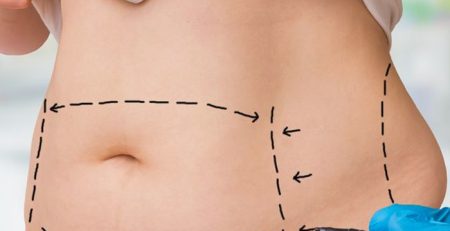
The answer to this question depends on the procedure to be performed and the person’s current body weight. Body contouring procedures such as tummy tuck and liposuction are not weight loss surgeries. Being at a near-final and sustainable weight can help with more balanced planning in some patients.
Losing too much weight in a short period can lead to muscle loss, nutritional deficiencies, and a deterioration of general fitness. If you have significant weight loss plans in the future or are considering pregnancy in the near term, it is important to discuss the timing of the operation with your surgeon.
To find out whether the main problem in the abdominal area is excess fat or sagging skin, you can review the detailed content titled tummy tuck or liposuction. For operation-focused information about tummy tuck, you can also benefit from the tummy tuck surgery page.
Infection and Disease Symptoms Must Be Reported Before Surgery
If fever, cough, sore throat, shortness of breath, diarrhea, vomiting, urinary tract infection, cold sores, skin inflammation, or open wounds develop before the operation, the clinic should be informed. Even a seemingly simple upper respiratory tract infection can affect the anesthesia and surgical plan.
Undergoing surgery while concealing symptoms is not safe. The surgical team will evaluate your condition and decide whether the surgery can proceed as planned. Postponing an elective procedure can be disappointing; however, it may be safer than undergoing an operation while having an active health problem.
Should Dental Treatment and Other Medical Procedures Be Planned?
If you are planning a tooth extraction, implant, root canal treatment, vaccination, injection, or any other medical procedure close to your surgery date, inform your surgeon. Dental problems, especially those with an infection risk, may need to be evaluated before the operation.
Do not start using antibiotics, cortisone, or painkillers without informing your plastic surgeon. If a new medication is prescribed by another doctor, tell that doctor you will be having surgery and also inform your plastic surgery team.
Prepare Your Post-Surgery Recovery Area in Advance
Good pre-operative preparation also includes creating the conditions you will need after returning home. In the first few days after the operation, your mobility may be limited, and it may be difficult to perform daily tasks on your own.
When preparing your recovery area, you can pay attention to the following points:
- Place frequently used items in easily accessible locations so you don’t have to bend down.
- Keep your phone charger, water, tissues, and personal care products nearby.
- Prepare pillows suitable for your lying position.
- Choose front-opening or loose-fitting clothing as recommended by your doctor.
- Complete meal preparation and household chores as much as possible in advance.
- Arrange for childcare, elder care, or pet care with someone else.
- Keep prescribed medications and dressing supplies ready.
- Record the clinic’s phone number you will reach in an emergency.
The corset, bra, nasal spray, cold application material, or wound care product to be used varies depending on the operation. Do not purchase products your doctor has not recommended just because they are advised on the internet.
Make a Companion and Transportation Plan for the Day of Surgery
It is not safe to drive after operations performed under general anesthesia or sedation. You should arrange for a responsible adult to pick you up from the hospital or clinic. For some procedures, it may also be required to have a companion with you on the first night.
Returning home alone by taxi, especially after extensive operations, may not be suitable. Determine your transportation route, hospital arrival time, parking situation, and return home plan in advance. If you are coming from out of town, plan your accommodation duration, also considering follow-up appointments.
Realistically Plan Your Work, Social Life, and Holiday Calendar
The time to return to work and social life varies for each operation. Even after post-operative bruising and swelling subside, it may take longer for your energy levels to return completely to normal. Therefore, important meetings, weddings, trips, exams, and intense work periods should not be planned too close to the operation date.
If you are considering surgery during the summer, hot weather, sun exposure, sweating, corset use, sea and pool plans should be evaluated separately. For detailed information on this topic, you can review the content does cosmetic surgery in summer affect recovery and when can you enter the sea and pool after cosmetic surgery.
What to Do One Week Before Surgery
Approximately one week before the operation, re-check the list provided by your surgical team. Ensure that all tests are completed, results have reached the clinic, and your medication plan is clear.
During this period, the following preparations can generally be made:
- Adhere to the schedule regarding medications and supplements that your doctor asked you to stop.
- Continue to follow the instructions given regarding smoking, nicotine, and alcohol.
- Pay attention to getting enough sleep and maintaining a balanced diet.
- Prepare the clothes you will wear after the surgery.
- Finalize your escort and transportation plan.
- Arrange your home and work responsibilities.
- Notify the clinic if a new health problem arises.
- Prepare the documents that should be with you on the day of the operation.
You may be asked to avoid aggressive peeling, waxing, laser, or skin care procedures that could irritate the surgical area. Since which procedures are undesirable will vary depending on the surgical area, get your surgeon’s recommendation.
What Should Be Done One Day Before Surgery?
One day before the surgery, avoid heavy physical activity and rest as well as possible. Check the fasting and fluid instructions provided by the anesthesia team in writing. The rule “nothing to eat or drink after midnight” may not apply in the same way for every patient and every procedure. Current fasting durations may vary depending on the person’s health status, the type of food consumed, and the anesthesia to be administered.
Detailed scientific information about the American Society of Anesthesiologists’ approach to preoperative fasting can be accessed from the practice guidelines for preoperative fasting. However, these guidelines are not personal instructions. Do not consume food, water, gum, candy, or any other product after the time you have been informed.
If you have accidentally failed to adhere to the fasting rule, do not conceal it. Honestly tell the anesthesia team what you last ate or drank and at what time. For safety purposes, the time of the operation may be changed, or the procedure may be postponed.
What Should Be Paid Attention to on the Morning of Surgery?
You may be asked to shower on the morning of the surgery; however, cream, oil, perfume, or lotion should not be applied to the surgical area. Makeup, nail polish, false eyelashes, jewelry, and piercings must be removed. If you wear contact lenses, you may need to prefer glasses.
When coming to the hospital, choose comfortable, loose, and easy-to-put-on and take-off clothing. After facial or breast operations, front-buttoned or zippered clothing may be more practical than tight garments pulled over the head.
You should have your ID, test results, a list of medications you regularly use, and other requested documents with you. Not bringing valuable items, tying up long hair with a simple metal-free hair tie, and being at the specified location before the operation time will facilitate the process.
Does Preparation Vary by Operation?
Yes. The preparation details for each plastic surgery procedure may differ. Before nose aesthetics, nasal congestion, past traumas, respiratory problems, and nasal sprays used are evaluated; while before breast aesthetics, breast tissue, existing diseases, and necessary imaging may be addressed.
Before tummy tuck and liposuction, weight changes, pregnancy plans, the condition of the abdominal wall, and the risk of blood clots are important. In facelift and eyelid aesthetics, dry eyes, vision problems, blood pressure, and skin characteristics may also be questioned.
To learn the differences between breast aesthetic options, you can review the content on breast augmentation or breast lift; for general body contouring options, you can check the body aesthetics page.
Psychological Preparation Before Plastic Surgery
It is normal to experience excitement, anxiety, and indecision before surgery. However, the decision to undergo surgery due to excessive worry, unrealistic expectations, or external pressure should be carefully evaluated.
Make sure you want the operation for yourself. Decisions made due to pressure from a partner, family, friends, or social media may not provide long-term satisfaction. Clearly explain to your surgeon the area that bothers you, the change you expect, and your concerns about the outcome.
Knowing that swelling, bruising, and temporary asymmetries may be seen in the first days of recovery is an important part of psychological preparation. The appearance in the first days is not the final result. The reduction of edema and the adaptation of tissues to their new position can take weeks or months depending on the type of operation.
Mistakes to Avoid Before Plastic Surgery
- Hiding your medications or nicotine products,
- Stopping a prescribed medication without consulting a doctor,
- Trying to lose weight rapidly right before surgery,
- Disregarding symptoms of active infection,
- Following fasting instructions based on guesswork,
- Not arranging a companion after surgery,
- Planning the recovery period to be shorter than it is,
- Turning social media photos into an expectation of a definite outcome,
- Not informing the surgeon about supplements taken from the internet,
- Missing follow-up appointments due to work or holiday plans.
What Topics Can Be Discussed During the Free Initial Examination?
At Op. Dr. Şükrü İşler Aesthetic Clinic, the initial examination or consultation is free. This consultation doesn’t solely focus on the name of the procedure to be performed. The individual’s anatomical structure, expectations, medical history, medications used, smoking habit, time available for surgery, and living conditions during the recovery period are evaluated together.
During the free initial consultation, answers to the following questions can be sought:
- Is a surgical procedure truly necessary for the change you desire?
- Which operation or combination of procedures might be more suitable?
- Which tests will be required before the surgery?
- How will smoking and medication use be managed?
- When can the return to work and social life be planned?
- Will a companion or corset be required after surgery?
- What are the expected results and the limitations of the procedure?
- Does your current health condition affect the operation plan?
Starting the preparation process at the right time helps reduce uncertainties that might arise on the last day. Before making your decision about surgery, you can learn about your personalized preparation plan by taking advantage of the free initial consultation.
Frequently Asked Questions
When should preparations for plastic surgery begin?
The preparation period varies depending on the surgery to be performed and the individual’s health status. If smoking cessation, weight management, or control of chronic diseases is required, preparation may start a few weeks or even earlier. The most accurate timing is determined during the initial examination.
When should smoking be stopped before surgery?
The duration of smoking cessation is determined by the type of operation and personal risks. For many surgical procedures, a nicotine-free period of several weeks may be required. Electronic cigarettes, shisha, nicotine gum, and patches should also be reported to the surgeon.
Can coffee be consumed before surgery?
Whether coffee can be consumed before surgery depends on the fasting and fluid instructions given. Coffee with milk is not considered a clear liquid. Do not guess what you can drink on the morning of the operation; follow the personal instructions of the anesthesia team.
Can water be drunk on the morning of the surgery?
While clear liquids may be allowed up to a certain time for some patients, a longer fasting period may be required in some cases. Your health condition, medications used, and the anesthesia method affect this decision. Do not consume anything, including water, after the time given to you.
Should vitamins be stopped before surgery?
Some vitamin and herbal supplements need to be evaluated for bleeding risk or drug interactions. The effect of every product is not the same. Report all supplements you are using to your doctor and only discontinue those recommended by him/her.
Can people using blood thinners undergo cosmetic surgery?
The use of blood thinners requires special consideration in surgical planning. The decision to stop, change, or continue the medication should be made by the prescribing doctor, the surgeon, and the anesthesiologist. The patient should not stop the medication on their own.
Can aesthetic surgery be performed during menstruation?
Menstruation is not an automatic barrier for every operation. However, the patient’s bleeding status, the possibility of anemia, the type of operation, and general health conditions should be evaluated. It is advisable to inform the surgical team of your menstrual period.
What should I do if I get sick before surgery?
You should inform the clinic if you develop fever, cough, sore throat, shortness of breath, diarrhea, vomiting, urinary tract infection, cold sores, or a skin infection. The surgical team will evaluate whether the surgery can be safely performed.
Is it necessary to lose weight before plastic surgery?
Weight loss is not mandatory for every patient. However, for body contouring procedures, it may be preferable to be at a sustainable weight close to the target outcome. Rapid and uncontrolled diets should be avoided, and if necessary, a weight plan should be created with the support of a doctor and a dietitian.
Can I exercise before surgery?
Regular and moderate physical activity can help maintain general fitness. However, excessively strenuous exercise, sports with a risk of injury, or activities causing intense body pain may not be suitable in the period very close to the operation date. Consult your doctor for personal advice.
Can I go alone on the day of the surgery?
If sedation or general anesthesia is administered, you cannot drive after the operation, and in most cases, a responsible adult must accompany you. For some surgeries, companion support may also be required for the first night.
Can I wear makeup or nail polish before surgery?
Generally, on the day of surgery, makeup, nail polish, artificial nails, jewelry, piercings, contact lenses, and valuable accessories are requested to be removed. The exact preparation list should be shared by the surgical team.
Can artificial intelligence determine if I am suitable for surgery?
No. Artificial intelligence can provide general information, help you organize your questions, and be used in some visual simulations. However, it cannot perform a physical examination, assess all your medical risks, or make a personalized surgery decision. Suitability assessment must be performed by a plastic, reconstructive, and aesthetic surgery specialist.
Can a surgery date be determined during the free initial consultation?
After your medical history, expectations, and the planned operation are evaluated, a suitable process can be established. However, a definitive surgery plan may not be made before necessary examinations, additional specialist opinions, or the control of health issues are completed.
Final Checklist for Plastic Surgery Preparation
- Share your medical history completely.
- Prepare a list of all medications, vitamins, and supplements.
- Report your use of cigarettes, e-cigarettes, and nicotine.
- Complete the requested examinations on time.
- Do not conceal signs of active illness or infection.
- Check fasting and medication instructions in writing.
- Finalize your chaperone and return home plan.
- Prepare your recovery area in advance.
- Create a realistic schedule for your work, travel, and social life.
- Do not use medication or supplements other than those recommended by your doctor.
- On the day of surgery, choose comfortable and easy-to-wear clothing.
- Formulate realistic expectations regarding the results.
Conclusion: Proper Preparation is the Foundation of a Safe Surgical Process
Preparations to be made before plastic surgery are much more comprehensive than getting examinations, fasting on the morning of the surgery, or packing a bag. Accurate assessment of health history, planning of medications, regulation of nicotine use, improvement of nutrition and living conditions, and the creation of a post-operative support system are all parts of the same process.
The needs of each operation and each patient are different. Therefore, instead of applying general checklists as personal medical instructions, you should prioritize the recommendations of your surgeon and anesthesia team.
At Op. Dr. Şükrü İşler Aesthetic Clinic, the first examination or consultation is free. You can benefit from a free initial consultation to learn whether the aesthetic operation you are planning is suitable for you, the preparations you need to complete before surgery, and the recovery period.
This content has been prepared for general informational purposes. It is not intended as diagnosis, treatment, medication cessation, or personal surgery recommendation. All pre-operative decisions should be made in line with the assessment of a plastic, reconstructive, and aesthetic surgery specialist and the anesthesia team.