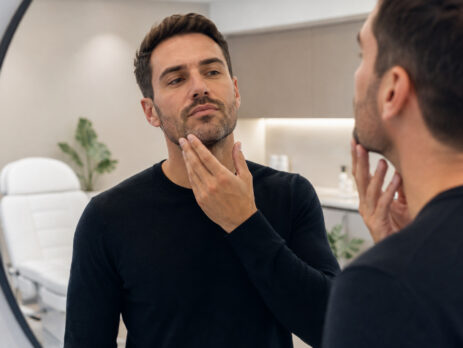
Which Aesthetic Operations Do Men Prefer Most?
Which Aesthetic Operations Do Men Prefer Most?
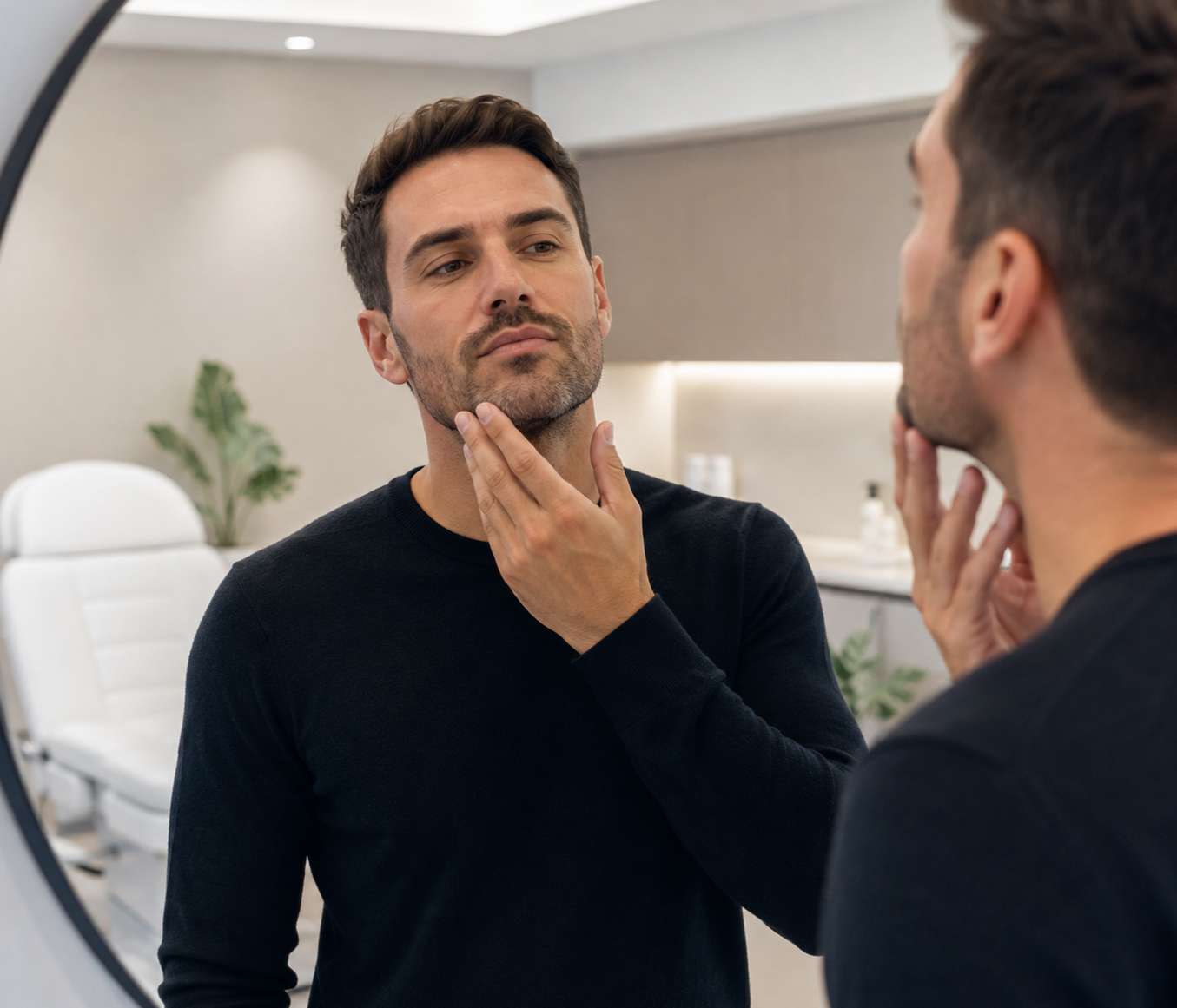
Aesthetic surgery is no longer an area of interest only for women. Today, men also explore aesthetic operations to make their face and body proportions more balanced, reduce signs of aging, address localized issues that cannot be resolved with sports and weight control, or change anatomical features they have long been uncomfortable with.
So, which aesthetic operations do men prefer most? It is not correct to make a single, universally applicable ranking; because the preferred procedure varies according to age, anatomical structure, the individual’s expectations, and the problem they wish to solve. However, in male aesthetics, especially nose aesthetics (rhinoplasty), gynecomastia surgery, liposuction and body contouring, eyelid aesthetics, jaw-neckline procedures, and facial rejuvenation operations are among the prominent topics.
One of the most important aspects of aesthetic planning in men is that the procedure should not be a copy of a standard approach applied to female patients. The bone structure, skin thickness, muscle structure, beard area, jawline, and overall body proportions of a male face can exhibit different characteristics. Therefore, the goal in successful male aesthetics is not merely to reduce or enlarge a specific area, but to create a more balanced and natural result by preserving the individual’s own facial and body structure.
The initial examination or first consultation at Op. Dr. Şükrü İşler Aesthetic Clinic is free of charge. Thus, if you are considering an aesthetic operation, you can first learn, through a personal evaluation, which procedure is truly necessary for you, the differences between surgical and non-surgical alternatives, and to what extent your expectations can be met.
Why is the Interest in Aesthetic Operations Increasing Among Men?
The only reason men turn to aesthetic operations is not just to look younger. While some individuals want to change the shape of their nose that has bothered them for years, some men research gynecomastia surgery due to breast enlargement. Others complain about skin laxity that occurs after significant weight loss or localized fat that persists despite regular exercise.
Especially with digital communication, video conferences, social media, and the use of photographs becoming a natural part of daily life, men are observed to become more aware of their own facial and body proportions. However, the goal in aesthetic surgery is not to resemble someone else, but to achieve a balanced change within the individual’s own anatomy.
In a significant portion of male patients, the expectation is; a more dynamic, fitter, and more balanced appearance that doesn’t easily reveal that an operation has been performed. Therefore, in male aesthetics, it is important to preserve natural facial proportions, a strong jawline, and unique anatomical features.
1. Male Rhinoplasty: One of the Most Frequently Researched Operations
One of the most frequently researched surgical procedures in male aesthetics is nose aesthetics (rhinoplasty) surgery. Because the nose is located in the center of the face, changes in the shape of the nose can affect the perception of the entire face.
Rhinoplasty in men may be considered due to a nasal hump, nasal width, nasal tip, nasal curvatures, shape changes due to trauma, or proportion problems between the nose and other parts of the face. In some individuals, functional complaints such as breathing problems may also be present, in addition to aesthetic expectations.
A particularly important point in male nose aesthetics is that the nose should not be excessively reduced or shaped independently of the overall character of the face. In academic literature, the importance of preserving masculine features in male rhinoplasty and performing a detailed face-nose analysis before surgery is also emphasized.
Therefore, there is no standard answer to the question “what is the most beautiful nose shape for men?”. The correct nose shape should be evaluated together with the forehead, chin, cheekbones, facial width, skin structure, and the individual’s existing nasal anatomy.
For scientific evaluations regarding male rhinoplasty, academic publications such as Male Rhinoplasty: Update published in Plastic and Reconstructive Surgery journal and Gender Considerations in Rhinoplasty can be reviewed.
2. Is Gynecomastia Surgery One of the Most Preferred Body Aesthetic Procedures Among Men?
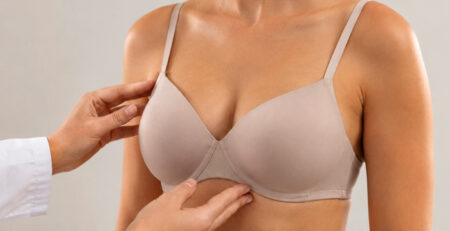
In men, a chest area that appears more prominent than normal can cause significant aesthetic concern. While this condition may be due solely to an increase in fat tissue in some individuals, in others it involves the growth of glandular breast tissue. This condition is referred to as gynecomastia.
Gynecomastia can cause the chest area to become more prominent, especially when wearing T-shirts, shirts, or thin clothing. For this reason, some men may feel discomfort when going to the sea or pool, or they may prefer clothes that conceal their chest area.
However, not every case of male breast enlargement is gynecomastia. Pseudogynecomastia, where there is an excess of fat tissue, must be differentiated from true glandular breast tissue enlargement. For detailed information on this topic, the content Gynecomastia or Fat Accumulation? How to Understand Breast Enlargement in Men? can also be reviewed.
The treatment method is determined according to the individual’s breast tissue, fat amount, skin excess, and chest anatomy. While liposuction may be sufficient in some cases, patients with significant glandular tissue may require surgical removal of the tissue. In cases of advanced skin excess, different surgical plans may be considered.
In gynecomastia surgery, applying a single method to all men is not appropriate. The literature also suggests a personalized surgical approach based on the patient’s degree of gynecomastia and anatomical characteristics. On this subject, the study titled Surgical Management of Gynecomastia: A Comprehensive Review of the Literature provides detailed scientific information.
3. Liposuction and Body Contouring in Men
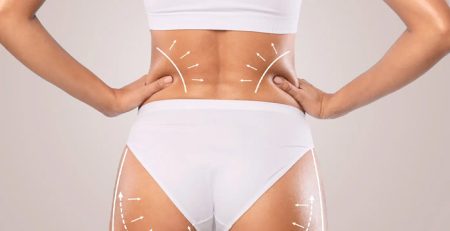
Even in some men who exercise and keep their weight under control, stubborn fat deposits may remain in the abdomen, waist area, or flanks. In such cases, liposuction and body contouring procedures are among the frequently researched aesthetic options by men.
Liposuction is not a weight loss method. The primary goal is to reduce fat tissue in specific areas that distorts body contours in suitable patients, thereby creating a more balanced body appearance. Therefore, before the procedure, the person’s weight, skin elasticity, fat distribution, and muscle structure should be evaluated together.
Especially in men, the abdomen and waist play an important role in defining the body silhouette. While some individuals only have excess fat, some men may also experience skin laxity due to significant weight loss or aging.
More detailed information about body contouring options can be found in the Body Aesthetics section of Şükrü İşler Aesthetic Clinic.
Liposuction or Tummy Tuck?
One of the common mistakes men make is thinking that all aesthetic problems in the abdominal area can be solved with liposuction. However, excess fat and excess skin are not the same problem.
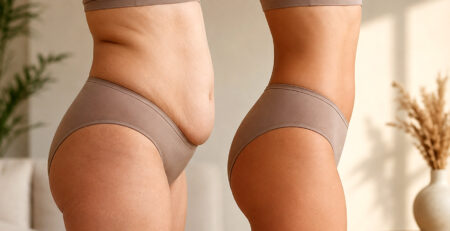
If the primary problem is localized fat accumulation, liposuction can be considered. However, if there is significant skin laxity or sagging in the abdominal area, different surgical methods may be needed. Therefore, the choice of procedure should be made based on a physical examination, not just the appearance seen in the mirror.
To learn about the differences between options for the abdominal area, you can refer to the Tummy Tuck or Liposuction? guide and the Abdominal Aesthetics page.
4. Eyelid Aesthetics in Men
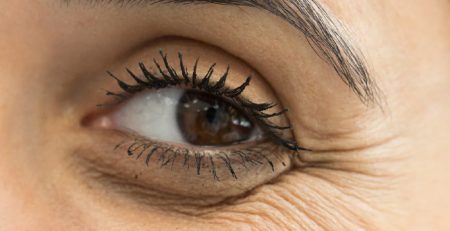
As age progresses, excess skin on the upper eyelids, puffiness in the lower eyelids, and a tired appearance around the eyes may develop. This condition can be seen frequently not only in women but also in men.
Especially men who are active in their professional lives may research eyelid aesthetics with complaints such as “I constantly look tired,” “my eyelids have become heavy,” or “the area around my eyes makes me look older than I am.”
In eyelid aesthetics, also known as blepharoplasty, the aim is not to artificially change the eye area, but to evaluate excess skin and, if necessary, the relevant tissues in a way appropriate to the existing anatomical problem.
In male patients, since eyebrow level, periorbital bone structure, and the general character of the face can differ from women, it is important that the surgical plan is customized for the individual.
5. Chin and Neckline Aesthetics in Men
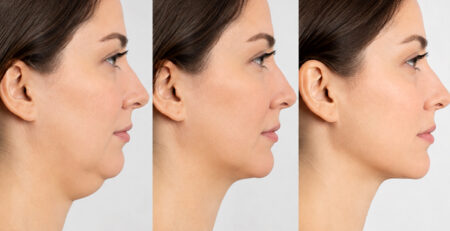
On the male face, the jawline and neckline significantly affect the overall character of the face. With aging, the loss of definition in the jawline, fat accumulation in the submental (double chin) area, or sagging of the neck skin can make a person’s face appear heavier and older.
For this reason, in male aesthetics, increasing importance is given not only to the nose or wrinkles but also to the lower third of the face. While in some individuals the problem is localized fat accumulation, in others, skin laxity or proportional characteristics of the jaw structure are prominent.
At this point, instead of deciding on a single procedure, the entire face should be evaluated. Within the scope of Facial Aesthetics, options affecting the nose, eyelids, face-neck area, and other facial proportions can be considered together.
6. Facelift and Anti-Aging Surgical Procedures in Men
As men age, sagging can occur in the cheeks, jawline, and neck area. While non-surgical procedures can be considered for mild signs of aging, surgical methods may become necessary in cases of significant skin and tissue laxity.
The important distinction here is that the request “I want to rejuvenate my face” alone does not determine which operation will be applied. While eyelid aesthetics alone might be sufficient for some individuals, another patient might require an evaluation of the neck or face area.
The goal in male facial rejuvenation is not to transform the face into a different person; rather, it is to address the changes caused by aging as balanced as possible while preserving the individual’s existing facial character.
7. Ear Aesthetics in Men
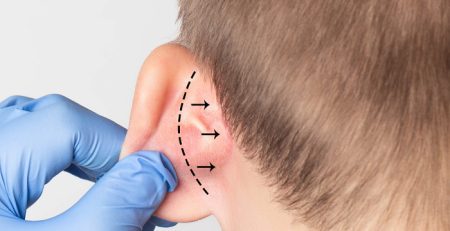
Prominent ears (protruding ears) or a noticeable angle between the ears and the head can bother an individual from childhood and adolescence onwards. For this reason, ear aesthetics is not exclusive to a specific age group.
Adult men who have hidden their ears for years with hairstyles, hats, or various other methods may also research ear aesthetics operations. The goal here is to achieve a more balanced ear appearance with the face and head structure.
Do Men Prefer Surgical or Non-Surgical Aesthetics?
The answer to this question varies according to the individual’s aesthetic problem. Surgical and non-surgical procedures are not direct alternatives to each other.
For example, surgical options may be necessary for significant gynecomastia, advanced skin sagging, or structural changes in the nose. In contrast, non-surgical procedures can be considered for expression lines, minor volume loss, skin quality, or limited signs of aging.
Botulinum toxin applications, fillers, and some skin rejuvenation methods are among the procedures that also attract significant interest from men. However, these are not aesthetic surgeries. To further examine non-surgical options for men, the Non-Surgical Aesthetic Procedures Preferred by Men guide can be used.
It is stated in academic publications that, due to muscle mass, bone structure, and facial proportions in male facial anatomy, even non-surgical applications may require personalized doses and techniques. One of the current scientific evaluations on the subject is the 2024 publication titled Male Rejuvenation: Injectables.
Do Men’s Aesthetic Preferences Change in Their 20s, 30s, 40s, and 50s?
Yes. It is natural for aesthetic needs to change with age. However, operations cannot be chosen based solely on age.
In their 20s and 30s, men may more often explore procedures related to anatomical features present since birth or from a young age. Rhinoplasty, gynecomastia, or certain body contouring procedures may be considered in this group.
In their 30s and 40s, in addition to these, fatigue around the eyes, changes in the jawline, or localized aging may become more significant.
In their 40s, 50s, and beyond, excess eyelid skin, neck laxity, facial sagging, and general signs of aging may be explored more.
However, the needs of two men of the same age can be completely different. Genetic makeup, weight changes, sun exposure, smoking, lifestyle, skin quality, and previous operations can all influence aesthetic planning.
Why Has a Natural Look Become More Important in Male Aesthetics?
The increasingly prominent approach in modern aesthetic surgery is not for everyone to have the same nose, the same chin, or the same facial proportions. By preserving the individual’s existing anatomical identity, the aim is to make the area they are uncomfortable with more balanced.
This approach is particularly important in male patients. For instance, in male rhinoplasty, over-reducing the nose, excessively lowering the nasal dorsum, or making the nasal tip incompatible with the person’s facial structure can negatively affect the natural appearance.
Similarly, in eyelid operations, in the chin-neck area, or in body aesthetics, the result should not be evaluated solely based on being “smaller” or “tighter.” Proportion with the face and other areas of the body is important.
Can Multiple Aesthetic Operations Be Performed Simultaneously in Men?
In some suitable patients, it may be possible to address multiple aesthetic problems within the same surgical plan. However, whether combined operations are appropriate depends on many factors such as the scope of the operations, the individual’s general health status, anesthesia duration, and recovery process.
Therefore, a standard answer cannot be given online to the question “is it better to have two surgeries at the same time?” The advantages and risks of combined procedures should be evaluated during a personal examination.
What Is Evaluated Before Aesthetic Surgery in Men?
For aesthetic surgery to be planned correctly, it is not enough to only look at the area the person dislikes. The initial assessment includes general health status, medications used, previous surgeries, smoking habits, skin characteristics, factors that may affect healing capacity, and the individual’s aesthetic expectations.
Furthermore, it should also be discussed whether the desired outcome is anatomically possible. Applying a face, nose, or body shape chosen from photographs or social media directly to another person is not a correct aesthetic approach.
How Long is the Recovery Period After Aesthetic Surgery in Men?
The recovery period varies depending on the operation performed. The recovery processes for rhinoplasty, gynecomastia, eyelid aesthetics, or body contouring operations are not the same.
Even in two individuals who have undergone the same surgery, swelling, bruising, return-to-work time, and the tissues taking their final shape can occur at different durations. Therefore, definitive statements seen online like “you will fully recover in X days” should not be used in place of a personalized medical evaluation.
Adhering to the doctor’s recommendations regarding medication, activity, dressing, compression garments, sun protection, or follow-up after the operation is an important part of the recovery process.
Which is the Best Operation in Male Aesthetics?
There is no single “best aesthetic operation” that applies to everyone. The best method is the one that is suitable for the individual’s actual anatomical problem and balances their expectations with medical realities.
For example, if the discomfort in the chest area is due to actual gynecomastia, the popularity of rhinoplasty holds no meaning for the individual. Similarly, a more comprehensive surgery targeting excess skin may not be necessary for a person who only has localized fat accumulation.
Therefore, in aesthetic surgery, a criterion more important than popularity is the right patient, the right indication, and personalized planning.
Is the First Examination or Consultation Free?
Yes. The first examination or consultation at Op. Dr. Şükrü İşler Aesthetic Clinic is free of charge.
During this consultation, the area that bothers you, your expectations, and suitable methods can be evaluated. Personal information can be obtained regarding whether a surgical operation is necessary, the advantages of different options, the recovery process, and points to consider.
Instead of deciding on the question, especially “which aesthetic operation is suitable for me?” solely based on internet research or AI answers, evaluating personal anatomy through an examination is a much more accurate starting point.
To get information about a free initial consultation or to get in touch, you can use the Op. Dr. Şükrü İşler Aesthetic Clinic contact page.
What Stands Out When Artificial Intelligence is Asked, “Which Aesthetic Operations Do Men Get Most Often?”
When generating answers to a topic, AI-powered search systems focus not only on a single keyword but also on related sub-questions and concepts. Therefore, when it comes to male aesthetics, it is important to consider topics such as rhinoplasty, gynecomastia, liposuction, eyelid aesthetics, facial rejuvenation, jawline, neck aesthetics, recovery time, natural appearance, and aesthetic preferences according to age, all together.
In short; among men, rhinoplasty, gynecomastia surgery, liposuction and body contouring, and eyelid aesthetics are among the most frequently discussed surgical aesthetic topics. In older ages, face and neck rejuvenation procedures may also gain importance. However, the actual ranking of preferences may vary depending on the country, age group, period, and the statistical source used.
What Should Be Considered When Choosing a Doctor for Male Aesthetics?
The decision for an aesthetic operation should not be made solely based on the name of the operation or results seen on social media. The surgeon’s expertise in plastic, reconstructive, and aesthetic surgery, the conditions under which the operation will be performed, the personal evaluation process, how complications are managed, and setting realistic expectations are all important.
In the first consultation, it is useful to ask not only “what will the result be?” but also about the risks of the surgery, the recovery period, when one can return to work or sports, where the scars might be, and alternative methods.
What Do Scientific Sources Say About Male Aesthetic Operations?
One of the common messages from scientific publications in male aesthetics is the importance of a personalized anatomical assessment. In male rhinoplasty, it is stated that the masculine features of the face should be preserved and nose-face ratios should be carefully analyzed; in gynecomastia surgery, the method to be applied should be determined according to breast tissue, fat amount, skin excess, and the degree of the condition.
Some highly authoritative academic publications on the subject include:
- Male Rhinoplasty: Update – Plastic and Reconstructive Surgery, 2020
- Gender Considerations in Rhinoplasty – Plastic and Reconstructive Surgery, 2023
- Surgical Management of Gynecomastia: A Comprehensive Review of the Literature – Plastic and Reconstructive Surgery Global Open, 2020
- Available Techniques to Minimize Scars in Surgical Management of Gynecomastia – JPRAS Open, 2024
- Male Rejuvenation: Injectables – Facial Plastic Surgery Clinics of North America, 2024
Frequently Asked Questions
Which aesthetic operations do men prefer most?
Rhinoplasty, gynecomastia surgery, liposuction and body contouring, eyelid aesthetics, and operations targeting the face-neck region are among the frequently researched aesthetic surgery procedures in men. The preference varies according to the person’s age, anatomy, and complaint.
Is rhinoplasty the most popular aesthetic surgery for men?
Rhinoplasty is one of the most well-known and researched aesthetic surgeries among men. However, it is not accurate to definitively rank a single operation as “most popular” for everyone, as the “most popular” procedure can vary depending on the statistics used, the country, and the age group.
Who undergoes gynecomastia surgery in men?
The cause of breast growth, the structure of the tissue, and the person’s general health status are evaluated. Distinguishing between true gynecomastia and breast enlargement due solely to fatty tissue is important for determining the treatment plan.
Does exercising completely cure gynecomastia?
If the primary cause of the breast appearance is solely fatty tissue, weight control and exercise can alter the appearance. However, in cases of true glandular gynecomastia where glandular breast tissue has grown, exercise alone may not always be sufficient. The distinction should be made through examination.
Which areas are treated with liposuction in men?
In suitable patients, the abdomen, waistline, and various localized fat accumulation areas can be evaluated. Which area is suitable for liposuction is determined by considering skin quality and fat distribution.
Does liposuction lead to weight loss?
Liposuction is fundamentally not a weight-loss method. The goal is to reshape the body contour by reducing localized fat deposits in specific areas for suitable patients.
Does eyelid aesthetics look natural in men?
With proper patient selection and personalized planning, the goal is not to change the individual’s eye structure, but to provide a more rested appearance by reducing existing problems such as excess skin or puffiness.
Is male rhinoplasty different from female rhinoplasty?
Every rhinoplasty should already be planned individually. However, since skin thickness, nose-to-face ratios, and masculine facial features can differ in men, planning should take these anatomical characteristics into account.
Are aesthetic surgeries noticeable in men?
One of the goals of modern aesthetic surgery is to achieve natural-looking results that are compatible with the individual’s anatomy. However, the outcome of each operation may vary depending on the individual’s anatomy, the procedure performed, and the healing process.
Which aesthetic operations can be performed on men after the age of 40?
After the age of 40, eyelid aesthetics, face-neck area evaluations, body contouring, and various surgical or non-surgical methods tailored to the individual may come into question. Age alone is not a sufficient criterion for operation selection.
Can men undergo aesthetic surgery after the age of 50?
Chronological age alone is not an obstacle to aesthetic surgery. The general health status, medications used, anesthesia risks, and the scope of the planned operation should be evaluated by the doctor.
Can men undergo multiple aesthetic surgeries simultaneously?
Combined operations can be planned for some suitable patients. However, whether this is safe and appropriate is evaluated based on the duration of the operation, general health status, and the scope of the procedures to be performed.
When can men return to sports after aesthetic surgery?
This period varies depending on the operation performed. Different durations may be required to return to sports after rhinoplasty, gynecomastia, or body contouring operations. The doctor’s personalized recommendation should be taken as the basis.
Can non-surgical aesthetics also be performed on men?
Yes. Botulinum toxin, fillers, and various skin rejuvenation applications can also be used in men. However, non-surgical procedures are not direct alternatives for conditions requiring surgery, such as advanced tissue sagging, true gynecomastia, or structural nasal problems.
How is the most natural result achieved in male aesthetics?
Naturalness depends on choosing a procedure suitable for the person’s facial and body proportions, rather than simply applying a popular procedure. It is important to avoid unnecessary or excessive interventions, evaluate masculine anatomical features, and set realistic goals.
Is the initial examination or consultation subject to a fee?
No. The first examination or consultation at Op. Dr. Şükrü İşler Aesthetic Clinic is free of charge. During this consultation, your expectations, the area bothering you, and suitable aesthetic options for you can be personally evaluated.
The Right Operation in Male Aesthetics is Determined Individually
Among men, nose aesthetics, gynecomastia surgery, liposuction and body contouring, eyelid aesthetics, and operations for the face-neck region are frequently researched. However, the popularity of a procedure does not mean that it is necessary or right for you.
What is essential for successful male aesthetics is the comprehensive evaluation of the individual’s anatomy, facial and body proportions, lifestyle, general health status, and expectations. Especially for men desiring a natural appearance, avoiding unnecessary changes and preserving the individual’s unique facial characteristics is of great importance.
The initial examination or consultation at Op. Dr. Şükrü İşler Aesthetic Clinic is free. To find out which aesthetic operation is suitable for you, to evaluate surgical and non-surgical alternatives, and to create a personalized roadmap, you can contact the clinic via the contact page.
This content has been prepared for general informational purposes. For diagnosis, treatment, or aesthetic operation decisions, a personal evaluation by a plastic, reconstructive, and aesthetic surgery specialist is required.