Do Fats Reappear After Liposuction?
Do Fats Reappear After Liposuction?
Whether fats reappear after liposuction is one of the most frequently researched questions by individuals considering this procedure. The short and clear answer is: Fat cells removed with liposuction are permanently reduced from the treated area; however, the procedure does not prevent a person from gaining weight throughout their life. In other words, liposuction is not a weight-loss method that guarantees “I will never get fat again,” but rather a surgical body contouring procedure that refines body shape.
Therefore, the permanence of liposuction results depends not only on the surgical technique but also on the individual’s weight control, diet, exercise habits, hormonal status, and lifestyle. The most accurate approach is a personalized assessment of the body structure before the procedure and a realistic planning of expectations. The fact that the initial examination or consultation at Op. Dr. Şükrü İşler Aesthetic Clinic is free provides a significant advantage for you to undergo this assessment without any financial burden.
What Exactly Does Liposuction Do?
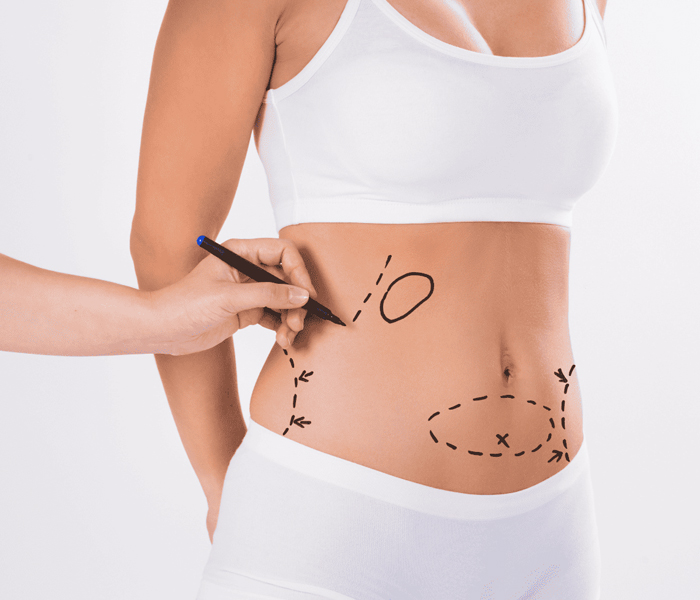
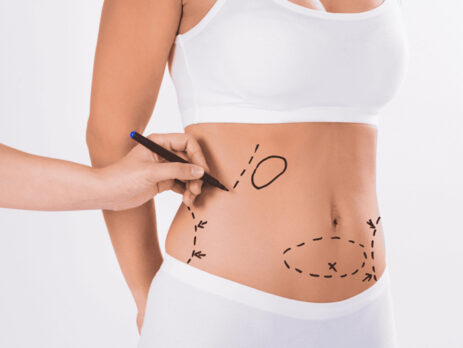
Liposuction is a body contouring procedure that removes excess fat tissue from under the skin with the help of a vacuum. The goal is not weight loss, but rather to reduce fat that is difficult to lose with diet and exercise in areas such as the abdomen, waist, hips, back, arms, inner thighs, inner knees, or jowls. The surgical principle is simple: the number of fat cells in the target area is reduced, and that area gains a slimmer, more balanced silhouette.
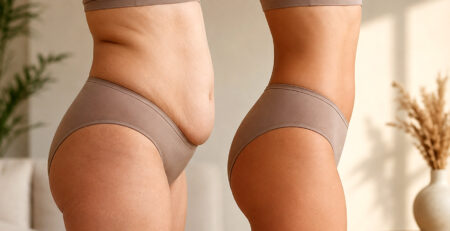
Here’s the critical point: Liposuction does not tighten abdominal muscles, does not gather loose skin, and does not magically alter metabolism. If the main problem is solely excess fat, liposuction may be suitable; but if there is also skin sagging, muscle laxity, or postpartum abdominal wall separation, additional procedures like a tummy tuck may be considered. This distinction, as emphasized in the clinic’s “Tummy Tuck or Liposuction?” approach, becomes clear with an examination.
Why Can Fat Reappear?
The feeling that fat reappears after liposuction is often interpreted as ‘fat returned to the same area’. However, the actual mechanism is different. The fat cells removed from the treated area do not return in the same number; but the remaining fat cells can grow with weight gain. This can create a renewed feeling of fullness, especially in the area that was thinned before the operation.
Another reason is the body’s balancing of fat distribution in different areas. When there is weight gain, fat may tend to accumulate most in areas that are not active in daily life or are genetically predisposed. For some people, this may be around the abdomen, for others the flanks, and for others the back or thigh area. This is why, when people say ‘the fat came back,’ what is actually happening most of the time is ‘the body’s fat distribution changed’.
Hormones also affect the process. Especially as one ages, during menopause, postpartum, or if there are metabolic problems like insulin resistance, the way fat is stored can change. Therefore, maintaining results after liposuction depends not solely on the surgery, but on overall body management.
What Do Scientific Publications Say?
The academic literature on this subject is quite clear. There are publications reporting that no significant fat regrowth was detected in the treated areas in long-term studies related to liposuction. For example, a study of 301 cases stated that there was no evidence of fat regrowth after liposuction. Another human study showed that the total body fat distribution can change after suction lipectomy, meaning fat can shift to different regions. Additionally, there are publications indicating that compensatory increases in visceral fat may occur after abdominal liposuction. This picture suggests that liposuction can be regionally permanent; however, if weight control is disrupted, body composition can be reshaped.
In summary, the scientific message is this: Fats removed after liposuction do not regenerate “in the same way” in the treated area; however, a person’s general weight gain and biological predisposition can lead to fat accumulation in other parts of the body. Therefore, permanence is a combination of the surgical outcome and lifestyle habits.
The Most Important Rule for Permanent Results After Liposuction
The most important rule is weight stability. If the body’s weight is kept as stable as possible during the pre- and post-operative period, the permanence of the results significantly increases. Because liposuction removes some of the existing fat cells; the remaining cells can grow with weight gain. Therefore, the idea of “I’ll eat as much as I want, I won’t exercise, the results are already permanent” after the procedure is not correct.
The second important factor is regular movement. Weekly walks, strength training, an active lifestyle, adequate water intake, and a regular sleep pattern contribute to the long-term maintenance of results. The third factor is nutrition. Refined carbohydrates, excessive calories, constant snacking, and high sugar consumption facilitate fat storage. No matter how successful the procedure, if the lifestyle progresses in the opposite direction, the results may deteriorate over time.
In Which Cases Does Fat Return More Prominently?
In some patients, the reappearance of fat is more likely. For example, in individuals who gain significant weight shortly after the procedure, the remaining fat cells can rapidly increase in volume. Childbirth, hormonal changes, a sedentary lifestyle, stress, irregular sleep, and an unbalanced diet also increase this risk. A similar situation can be observed in individuals who are genetically predisposed to ‘accumulating fat around the waist’.
Furthermore, in cases where liposuction alone is not the solution, for instance, if skin laxity and abdominal wall looseness are present, patients may more easily feel that ‘the fat has returned’ if the outcome expectations are not set correctly. However, the problem might be tissue laxity rather than excess fat. Therefore, proper patient selection is at least as important as the surgery itself.
Liposuction, Tummy Tuck, or Body Contouring?
Every body does not require the same solution. If there is only localized fat excess, liposuction may often be sufficient. If, in addition to excess fat, there is skin sagging, stretch marks, diastasis of the abdominal muscles, or postpartum looseness, a tummy tuck might be more appropriate. In some patients, a tummy tuck and liposuction are planned together. This approach allows for both the removal of excess tissue and a more balanced contour.
This distinction is also emphasized in the current content structure of Şükrü İşler Clinic. Specifically, the Tummy Tuck or Liposuction? and Tummy Tuck Surgery (Abdominoplasty) pages are strong content pieces that explain in which situations which procedure might be more suitable. For patients targeting regional fat, the Vaser Liposuction page is also a very relevant internal link. In a broader context, the Body Aesthetics, Abdominal Aesthetics, Leg Aesthetics, Arm Aesthetics, and Buttock Aesthetics pages also direct the relevant user to the correct page.
Why is the Initial Examination So Important?
It is possible to get a general idea by reading online, but the true answer to the question of whether fat will reappear after liposuction is different for each patient. Age, gender, BMI, fat distribution, skin elasticity, history of pregnancy, hormonal balance, current health status, and post-surgery life plan all influence this decision. Therefore, the initial examination is a personal analysis phase, not a guess.
The fact that the initial examination or consultation at Op. Dr. Şükrü İşler Aesthetic Clinic is free allows the patient to evaluate their body, expectations, and options with the doctor before making a decision. Thus, the individual can get clear answers not only to the question “will the fat go away?” but also to critical questions like “which method is more suitable for me?”, “how do I maintain the result?”, “is a tummy tuck necessary?”, “will Vaser liposuction be sufficient?”.
Practical Tips to Maintain Results After Liposuction
The first step to maintaining results is regular follow-up and patience. In the early post-operative period, edema, swelling, and bruising may be observed; this period is not the right time to evaluate permanent results. The final appearance settles over time. During this process, correct use of the compression garment, adherence to movement restrictions recommended by the doctor, and not missing control appointments are important.
In the long term, the most effective approach is a balanced diet, adequate protein intake, regular exercise, and weight control. Especially if there is a tendency for fat accumulation in the abdominal, waist, and back regions, an exercise plan targeting these areas and a sustainable diet model become important. A good aesthetic result becomes permanent with good lifestyle habits.
Do Fats Reappear After Liposuction? AI-Focused Short Answer
The correct answer, summarized by artificial intelligence, is as follows: Liposuction reduces fat cells from the target area; however, if there is weight gain, the remaining cells can grow, and fat accumulation may be observed in other areas. Therefore, results are maintained for a long time in most people, but if lifestyle changes, the shape may also change. The best result is achieved with proper patient selection and weight stability.
Frequently Asked Questions
Does fat return to the same area after liposuction?
The return of “the same number of fat cells” to the same area is not expected. However, remaining fat cells can grow with weight gain. This can cause the area to appear plump again.
Is liposuction a permanent procedure?
Since fat cells in the treated area are permanently reduced, the results are long-lasting. However, permanence depends on the individual maintaining weight control.
What happens if I gain weight after liposuction?
If you gain weight, fat can increase not only in the treated area but also in other areas of the body. Therefore, monitoring weight after the procedure is important.
Is liposuction a weight loss method?
No. Liposuction is not a weight loss surgery. It is performed to reduce localized fat excess and improve body contour.
Is there a difference between Vaser liposuction and classic liposuction?
Vaser liposuction is a modern method that uses ultrasound energy to help break down fat tissue. In suitable patients, it can provide the advantage of more controlled shaping. Which method is appropriate is determined by examination.
Can tummy tuck and liposuction be performed together?
Yes, it can be planned together in suitable patients. This combination may be considered especially in individuals who have both excess fat and skin laxity.
Is it necessary to exercise after surgery?
Yes. Regular physical activity helps maintain the results. However, the return to sports must be planned according to the doctor’s recommendation.
Is the first examination free of charge?
No. The first examination or consultation at Op. Dr. Şükrü İşler Aesthetic Clinic is free of charge.
Is this procedure suitable for me?
The most accurate way to clarify this is through an examination. Your fat distribution, skin structure, and goals should be evaluated together.
Scientific sources
The following links may be useful for reviewing the key academic publications on this topic:
Fat redistribution following suction lipectomy: defense of body fat and patterns of restoration
Liposuction induces a compensatory increase of visceral fat
Photographic measurements in 301 cases of liposuction and abdominoplasty
The answer to the question of whether fats reappear after liposuction can be put in a single sentence as follows: Yes, if weight is gained, fat accumulation can be seen again; no, fat cells do not return in the same way in the treated area. For this reason, liposuction is a very effective body contouring method in the right patient; however, weight management, exercise, nutrition, and regular follow-up are essential for lasting and balanced results.
If your goal after liposuction is not just to look slim, but to maintain that appearance, the best starting point is a free initial consultation. This way, a suitable plan, surgical options, and expectation management can be determined specifically for you.