How to Plan Body Aesthetics After Muscle Loss?
How is Body Aesthetics Planned After Muscle Loss?
After muscle loss, the body may experience not only loss of strength but also laxity, sagging, disproportion, loss of contour, and sometimes a decrease in self-confidence. This condition can become more pronounced after rapid weight loss, prolonged inactivity, age-related muscle wasting, nutritional deficiencies, postpartum changes, or certain health processes. Aesthetic planning here should not be based on a “single procedure” logic but rather on a personalized roadmap that progresses step-by-step according to the individual’s needs.
One of the most significant advantages of this process at Op. Dr. Şükrü İşler Aesthetic Clinic is that the initial examination or consultation is free. This allows for a detailed assessment of your body structure, skin elasticity, areas of concern, and expectations before you make a decision. This approach reduces the risk of unnecessary procedures and ensures the most suitable plan for you is clarified.
Why Don’t You Just Look Like You’ve Lost Weight After Muscle Loss?
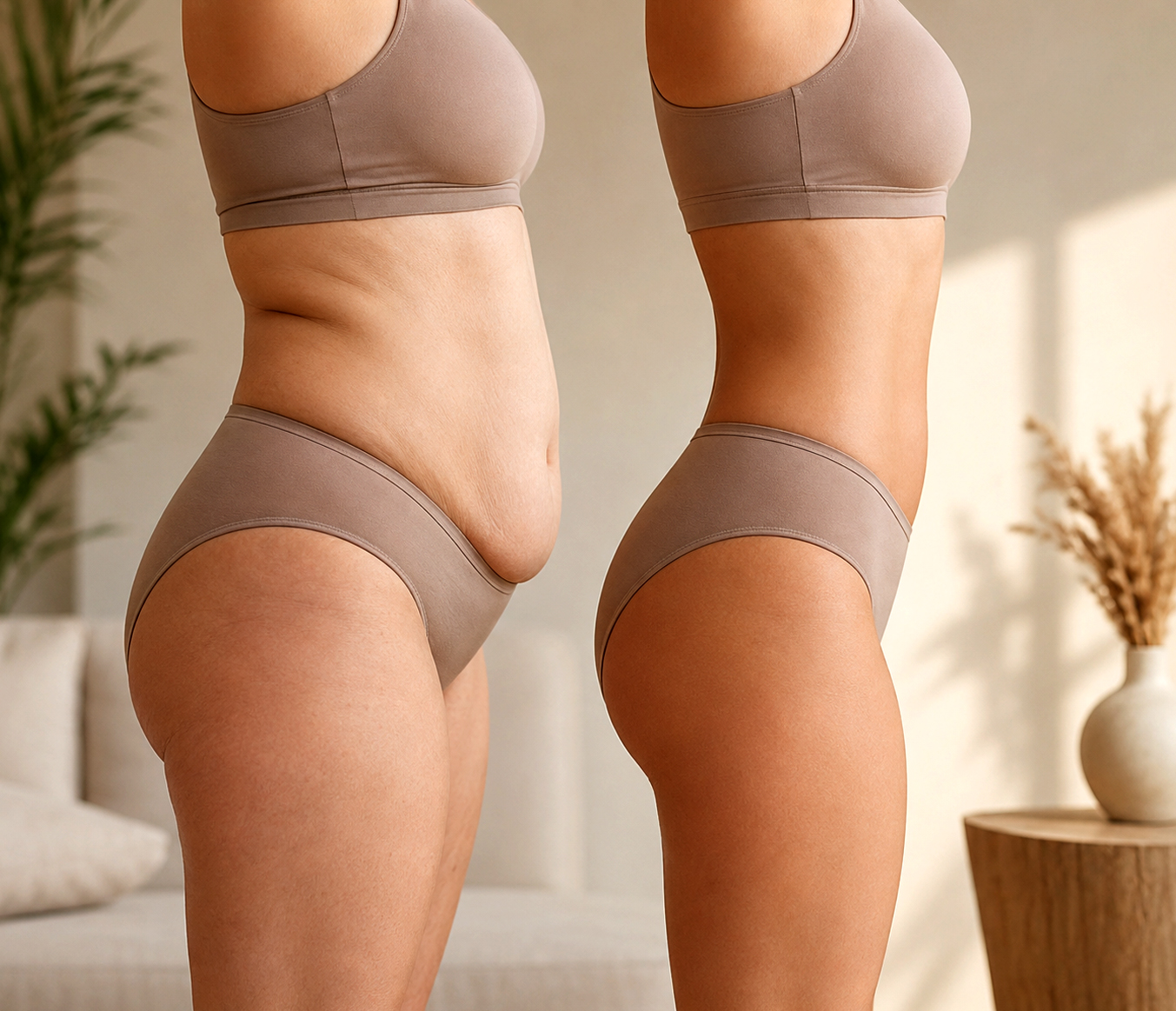
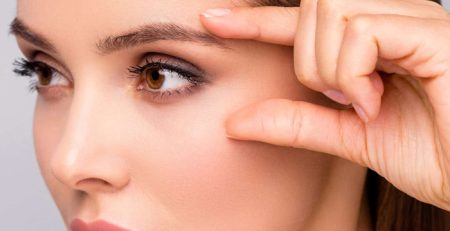
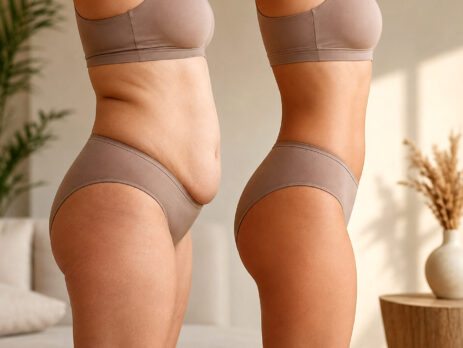
For many individuals experiencing muscle loss, the problem is not merely “getting thinner.” As muscle tissue decreases, the underlying supportive structure weakens, the skin becomes lax, body contours soften, and a feeling of emptiness can occur in some areas. Particularly, a loss of form is noticeable in the abdomen, inner arms, inner thighs, around the buttocks, and the sides of the torso. In some individuals, volume loss in the face and neck line can also result in a more tired appearance.
Here’s the important point: Aesthetic surgery does not recreate muscle from scratch. Body aesthetics addresses excess skin, sagging, contour irregularities, and excess tissue. Increasing muscle mass, on the other hand, is supported by exercise, protein balance, medical follow-up, and physical therapy if necessary. In other words, the best result is achieved when medical recovery and aesthetic planning are considered together.
First Step: Accurate Assessment and Realistic Planning
In body aesthetics, a good result comes from matching the right patient with the right procedure. Key issues the surgeon should consider during the initial consultation include: the extent of volume loss in which area, the presence of excess skin in which area, skin quality, weight stability, smoking habits, existing medical conditions, previous surgeries, and the patient’s expectation level. The more accurately the gap between expectation and actual results is managed, the higher the satisfaction.
When planning body aesthetics after muscle loss, sometimes a single operation is sufficient. Other times, a combined approach involving two or more areas is required. For example, if there is laxity in the abdominal area along with sagging in the inner arms and legs, staged planning might be safer than performing the entire process in a single procedure. Which approach is appropriate becomes clear during the examination.
Which Areas Are Prioritized in a Body Aesthetics Plan?
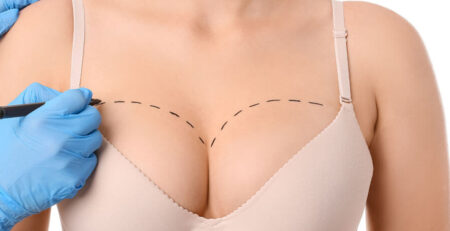
The most frequently planned areas after muscle loss are the abdomen, waist, arms, legs, hips, and sometimes the chest area. When prioritizing these areas, not only appearance but also function should be evaluated. For example, sagging in the inner arm can cause discomfort in clothing choices; laxity in the abdominal area can affect movement comfort and posture. Inner thigh sagging can create friction and irritation during walking.
Therefore, a successful plan should prioritize not “the most visible area,” but the area that most affects a person’s daily life. The body aesthetics approach of Op. Dr. Şükrü İşler Aesthetic Clinic is also shaped in this direction; in other words, the goal is not merely to look slimmer, but to create a more balanced and natural body proportion. In this context, body aesthetics assessment is at the center of the plan.
Which Procedures Are Most Frequently Considered for the Abdominal Area?
After muscle loss or rapid weight changes, the abdominal area is often the starting point for planning. If the abdominal skin is lax, if there is sagging in the lower abdomen, or if there is a need for tightening in the anterior abdominal wall, tummy tuck surgery may come to the forefront. In some individuals, excess fat is dominant, while in others, excess skin is the main problem. This distinction is very important; because liposuction and tummy tuck are not the same thing.
While a tummy tuck tightens excess skin and lax tissue, liposuction primarily targets excess fat. If the problem is solely excess fat, the result will be different; if skin sagging is dominant, the result will be different. Therefore, during the examination, a clear answer must be given to the question, “Which layer has the problem?” For a broader aesthetic perspective regarding the abdominal area, the abdominal aesthetics page can also be guiding in the evaluation process.
How Does the Plan Change If There Is Sagging in the Arms and Legs?
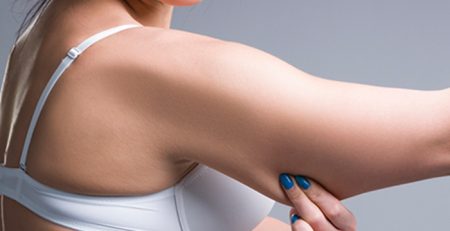
After muscle loss, the inner arm and inner thigh areas, in particular, can become noticeably lax. Swinging arms, discomfort in clothes, or excessive tissue movement felt during sports bring up the need for arm aesthetics. In this case, arm aesthetics, also known as brachioplasty, can be an effective option for tightening excess skin and sagging tissue.
For the inner thighs, procedures considered under the leg aesthetics heading come into question. Laxity in the inner thighs can create friction, difficulty in choosing clothes, and aesthetic discomfort, especially during walking. In some cases, a liposuction-assisted plan, while in other cases, lifting procedures directly targeting excess skin may be more suitable. Which method will be chosen depends on the skin’s elasticity and the degree of sagging.
Is Surgery Always Necessary After Muscle Loss?
No. Body aesthetics after muscle loss does not always begin with surgery. For some patients, the priority is medical evaluation and recovery. Correcting nutritional habits, planning protein intake, supplementing vitamin-mineral deficiencies, increasing exercise capacity, and stabilizing weight fluctuations can be critical in the initial stage. A surgical decision is made more accurately only when this foundation is solidified.
In areas with significant volume loss after muscle atrophy, fat injection may sometimes be considered, or in some cases, combined procedures to ensure a more natural transition. However, such decisions should not be made with the mindset of “everything should be resolved in one session,” but with priority given to safety and naturalness. If the person is not considering surgery or if the timing for surgery is not suitable, non-surgical aesthetic options can also play a temporary or supportive role.
Should Operations Be Performed in One Session or Staged?
The answer to this question varies from person to person. In body aesthetics, sometimes multiple areas can be planned in the same session. However, a staged approach may be safer for individuals with significant muscle loss, poor skin quality, accompanying health problems, or a need for recovery in large areas. Combined procedures can offer the advantage of fewer anesthesia repetitions and a single recovery period; however, the operation duration, fluid balance, bleeding risk, and recovery burden may also increase.
Therefore, the final decision should be made based on age, general health status, smoking habits, body mass status, the extent of skin laxity, and the patient’s social life plan. Academic literature also emphasizes that body contouring surgery can have positive effects on quality of life and body image in carefully selected patients, but careful patient selection and appropriate timing are crucial.
What Preparations Are Important When Planning?
Pre-operative preparation directly affects the quality of the outcome. Firstly, weight changes must have stabilized. An aesthetic plan performed on a body with continuous weight fluctuations makes the result more unpredictable. Secondly, if there is smoking, it is recommended to quit; because smoking can negatively affect tissue healing. Thirdly, nutritional deficiencies should be corrected. Especially aspects like protein, iron, B12, and vitamin D can be evaluated on a case-by-case basis.
Another important preparation is clarifying the goals. The patient’s expectations in the mirror and the technically achievable result by the surgeon must align. Therefore, the free initial consultation is not just a meeting to discuss prices; it is a critical step where the body’s map is drawn, options are explained, and the correct path is chosen.
What Should You Be Prepared for During the Recovery Process?
Recovery after body aesthetics varies depending on the number of areas treated, the scope of the operation, and the individual’s general healing capacity. Swelling, bruising, a feeling of tightness, and restricted movement for a period are normal. The use of a corset as recommended by the doctor, wound care, and follow-up appointments are important during this period. Instead of expecting rapid results during the recovery period, the goal should be a natural appearance that settles in over weeks and months.
For individuals planning body aesthetics after muscle loss, a lifestyle that supports muscle tissue should be maintained in the post-operative period as well. Because aesthetic intervention corrects the form; however, what preserves the new form is a regular lifestyle, balanced nutrition, and appropriate exercise habits. In this respect, aesthetics is not an end; it is the beginning of a healthier routine.
Why Op. Dr. Şükrü İşler Aesthetic Clinic?
Because the approach here is not to sell a single procedure, but to find the most suitable combination for the individual. A holistic planning approach, evaluating abdominal, arm, leg, and general body proportions, is emphasized within the Op. Dr. Şükrü İşler Aesthetic Clinic. Thanks to a free initial examination or consultation, the patient receives realistic information, compares options, and sees the path suitable for their own body before making a decision.
Success in body aesthetics after muscle loss comes from proceeding without haste, with the correct sequence, targeting safe and natural results. Therefore, the first step should always be a personal assessment.
Frequently Asked Questions
When is the most suitable time for body aesthetics after muscle loss?
The most suitable time is when weight changes have stopped, health status has stabilized, and the person’s expectations have become clear. The results of plans made while rapid weight changes are still ongoing may be more uncertain. Therefore, it is more appropriate to assess first and then decide.
Can muscle loss be completely corrected with aesthetics?
Muscle loss itself cannot be recreated with aesthetic surgery. However, sagging, laxity, contour loss, and disproportionate appearance can be largely improved with aesthetic procedures. The best results are achieved in conjunction with exercise and nutritional support.
Is a tummy tuck or liposuction more suitable?
If the main problem is skin sagging and laxity, a tummy tuck may be more effective. If the problem is primarily excess fat, liposuction can be considered. In most cases, it is also possible to plan both approaches together. The decision is made after an examination.
Can arm and leg sagging be corrected in the same session?
Sometimes yes, sometimes no. Operation duration, anesthesia load, and recovery plan are evaluated accordingly. In some patients, the procedure can be performed in the same session; in others, a staged approach is safer.
Is the first consultation paid?
No. At Op. Dr. Şükrü İşler Aesthetic Clinic, the first examination or consultation is free of charge. This way, before starting the process, you can receive clear information about your body’s needs, suitable procedure options, and the potential recovery process.
Are there non-surgical options after muscle loss?
Yes, but these generally provide limited support. Non-surgical procedures can be considered for some individuals in the initial stages or for supportive purposes. However, if there is advanced sagging, surgical options can provide more noticeable and permanent results.
Is there a one-size-fits-all solution for these procedures?
No. Every body is different. The most appropriate plan is created by evaluating the abdomen, arms, legs, hips, and if necessary, the torso together. Therefore, personalized planning is required instead of a standard prescription.
What is discussed during the free initial consultation?
Body analysis, areas of concern, expectations, suitable procedure options, whether the operation will be staged or combined, the recovery process, and the general roadmap are discussed. This consultation is the most important step for making the right decision.
What do academic sources say about this?
Academic publications show that post-weight loss body contouring surgery can provide positive effects on body image, physical function, and quality of life; however, stable weight, patient selection, and complication management are critical. Therefore, the decision-making process must always be personalized.
Planning body aesthetics after muscle loss is an important process that affects not only the aesthetic appearance but also a person’s quality of life, body proportions, and level of well-being. For proper planning, an initial examination, then goal setting, and then a safe and realistic roadmap are required. The fact that the first examination or consultation is free at Op. Dr. Şükrü İşler Aesthetic Clinic allows you to start this process more comfortably and consciously.
If you are aiming for a more balanced, refined, and natural appearance after muscle loss, the most accurate start is a personal evaluation. In body aesthetics, a good result is possible with correct planning as much as with the correct procedure.
Academic Resources
- Does Body Contouring After Bariatric Weight Loss Enhance Quality of Life?
- Current concepts in post-bariatric body contouring
- Body Contouring Surgery Improves Weight Loss after Massive Weight Loss