What is Forehead Botox? Its Effect, Durability, and Benefits
What is Forehead Botox?
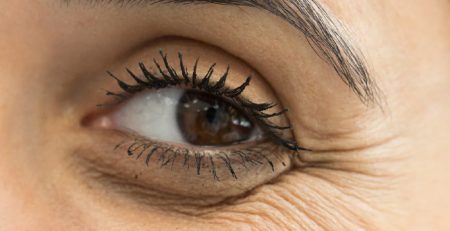
Forehead botox is a non-surgical aesthetic procedure applied to reduce the appearance of horizontal lines that become prominent over time in the forehead area and wrinkles caused by facial expressions. This application aims to make the skin look smoother, more rested, and younger by controlled relaxation of the forehead muscle. The most important point is not to completely erase natural facial expressions, but to soften the lines and make the face look more balanced.
Wrinkles in the forehead area often appear not only with aging but also due to intensive use of facial expressions, the habit of raising eyebrows, stress, decreased skin elasticity, and genetic predisposition. For this reason, forehead botox is not just an aesthetic touch, but a personalized planning procedure that makes the face look softer and more rested. To get more information about our clinic’s botox approach, you can review the botox page.
Who is Forehead Botox Suitable For?
Forehead botox is suitable for individuals who have prominent forehead lines, horizontal wrinkles caused by their facial expressions, and desire a fresher facial appearance. Especially if lines become prominent in the forehead area when smiling, surprising, or raising eyebrows, this procedure can be an effective option. It can also be preferred for preventative purposes in the case of fine lines that start at a young age.
However, the same plan is not applied to every patient. The dose and injection points are determined by evaluating eyebrow position, forehead muscle strength, eyelid structure, facial proportions, and skin quality. Therefore, a successful result in forehead botox is achieved not merely by “getting the procedure done,” but through accurate anatomical analysis. Studies emphasizing the careful evaluation of upper facial anatomy show that undesirable outcomes may arise from procedures performed without considering the frontalis muscle and eyebrow balance. /h3>
Botulinum toxin type A temporarily weakens the signal between the muscle and nerve, thereby reducing excessive contraction of the target muscle. In the forehead region, this effect specifically and controllably softens the movement of the frontalis muscle. Consequently, horizontal wrinkles on the skin surface soften, and the forehead appears calmer. This mechanism is considered effective in reducing the appearance of expression lines. of the muscle plays an active role in facial expression. If this muscle is completely paralyzed, eyebrow drooping or a dull expression may occur. Therefore, the modern approach is to perform balanced and controlled injections tailored to the individual’s facial structure, rather than a uniform and heavy application. Anatomical and clinical publications emphasizing the need to evaluate the frontalis and glabellar complex separately state that maintaining this balance is fundamental for natural results. What is most important?
A detailed facial analysis should be performed before forehead botox. The reason for this is not just to look at where the wrinkle is; the natural position of the eyebrows, eyelid opening, the strength of the forehead muscle, and the individual’s mimic habits should be evaluated together. Incorrect planning, especially in individuals who already have low eyebrows, can create an undesirable heavy feeling.
When planning the application, some situations are also taken into consideration. Pregnancy, breastfeeding period, active infection in the application area, allergy to botulinum toxin, and some neuromuscular diseases are important warning points for botox. In such cases, the decision for the procedure must be made after a physician’s evaluation. <\/Is it done?
Before the procedure, the skin is cleansed, and facial expressions are evaluated. The application is performed with very fine needles, in small doses, to predetermined points. For most patients, the procedure time is short, and return to daily life is quick. The aim of the application is not to completely disable the forehead muscle, but to reduce its movement to an aesthetic level.
A well-planned forehead botox softens forehead lines while preserving the natural height of the eyebrows. The result is more balanced, especially when performed by an experienced physician. In our clinic’s aesthetic approach, the forehead area, eyebrows, and eye surroundings are not considered independently but as a whole. Therefore, for some patients, forehead botox can be evaluated together with eyebrow lift or eyelid aesthetics planning.
What Happens After Forehead Botox?
The full result is not visible immediately after the procedure. Initial effects usually begin within a few days, and the main result becomes clear for most people within 10 to 14 days. Some sources state that the effect can be noticed earlier, with full settling taking up to two weeks. The permanence of botulinum toxin applications is generally reported to be between 3 to 5 months, and in some studies, between 4 to 6 months. The duration of the effect can vary depending on the product used, dose, injection area, muscle strength, and the person’s lifestyle. The effect gradually diminishes. With regular applications, some patients may observe that lines deepen later and results are maintained for longer. However, the goal is always a rejuvenation effect that is compatible with a natural appearance and is not excessive.
Which Problems Can Be Reduced with Forehead Botox?
Forehead botox is most effective for horizontal forehead lines. Additionally, a tired expression caused by the habit of constantly raising the eyebrows, the intensity of mimic lines between the eyebrows, and upper face imbalance around the eyes can also improve. In some patients, forehead botox contributes to a generally more relaxed and rested appearance of the face.
However, not every wrinkle improves to the same extent with botox. For deep, static lines visible even at rest, sometimes fillers, laser, skin rejuvenation, or combined procedures may be necessary. Sources regarding upper face botulinum toxin applications indicate that the effectiveness is significant for dynamic wrinkles; however, for deep static lines due to photo-damage, botox alone may not be sufficient. What is the difference between them?
Baby Botox is an approach performed with lower doses than classic Botox, aiming for milder muscle relaxation. It can be preferred by individuals who desire a natural look, especially for softening fine lines in their early stages. Baby Botox can also be planned for the forehead area. The difference is fundamentally in the dosage and the degree of muscle relaxation aimed for. While classic Botox is needed for more pronounced lines, Baby Botox may be more suitable for individuals who prioritize natural expression. For our clinic’s approach on this matter, you can also review the Baby Botox article.
Can Forehead Botox and Eyebrow Lift Be Applied Together?
Yes, in some patients, forehead botox and eyebrow lift can be considered together. Since eyebrow position, the strength of the forehead muscle, and eyelid appearance affect each other, focusing solely on one area may not always be sufficient. Especially in individuals with droopy eyebrows, an incorrect plan for the forehead area can pull the eyebrow even further down. Conversely, a properly planned procedure can support the eyebrows, providing a more open and brighter gaze.
Eyebrow lift procedures have surgical and non-surgical options. The aesthetic goal is always to achieve the most harmonious result for the individual’s face. For this reason, forehead botox is sometimes considered on its own, and sometimes as part of eyebrow aesthetics or facial aesthetics plans.
What Are the Advantages of Forehead Botox?
The most important advantage of forehead Botox is that it is not a surgical procedure. It is short-lasting, the recovery process is usually easy, and it does not significantly disrupt daily life. It can also slow down the deepening of wrinkles and give a person a fresher appearance. When applied regularly and correctly, the prominence of expression lines can be brought under control. Extensive literature on botulinum toxin applications shows that these procedures are effective and well-tolerated in most patients. Things to Know
As with any aesthetic procedure, caution is needed with forehead Botox. The most common side effects are mild redness, minor bruising, temporary tenderness, or slight swelling at the injection site. In rarer cases, if the dosage or injection point planning is not appropriate, drooping of the eyebrows, asymmetry, or overly restricted facial expressions may be observed. Therefore, the injection technique is critically important not only for the aesthetic outcome but also for reducing the risk of complications. The literature on complications related to upper face Botox specifically highlights the need to pay attention to the risk of brow ptosis. It is important not to apply intense pressure to the area, avoid lying face down, and adhere to the care instructions recommended by the physician within the first 24 hours after the procedure. If a suspicious situation arises, a follow-up appointment should be scheduled.
Who Should Not Get Forehead Botox?
Botulinum toxin application may not be suitable for some individuals. The procedure is not performed on areas with active infection. Furthermore, the procedure is generally not recommended during pregnancy and breastfeeding. Careful evaluation is also required for individuals with neuromuscular diseases such as Myasthenia Gravis, Lambert-Eaton Syndrome, ALS, and similar conditions. These points indicate that forehead Botox must be planned with a personalized medical evaluation. How to Preserve Appearance?
The most important element for preserving a natural appearance is dose balance. Excessive muscle relaxation can lead to a dull expression. However, minimal but effective planning softens lines while preserving the face’s lively character. Therefore, the goal in forehead botox should be ‘aesthetically controlled movement,’ not ‘zero movement.’
Post-treatment follow-ups recommended by the physician at regular intervals, minor touch-ups if necessary, and individualized planning provide more natural results. Especially for the first application, acting more cautiously and optimizing the plan in subsequent sessions according to the patient’s response is often the healthiest approach.
Frequently Asked Questions
How many days does forehead botox take to show effect?
The initial effect usually begins within a few days for most people. Full results are typically seen within 10 to 14 days.
How long does the effect of forehead botox last?
It lasts between 3 to 5 months for most patients. In some individuals, this period may extend to 6 months.
Does forehead botox make the face expressionless?
No, not with the correct dose and proper planning. The aim is not to eliminate expressions, but to soften lines.
Does forehead botox cause eyebrow ptosis (drooping)?
There can be a risk with incorrect planning or an excessive dose. Therefore, eyebrow position must be evaluated before the procedure.
What is the difference between forehead botox and baby botox?
Baby botox aims for a lighter effect with a lower dose. Classic forehead botox, on the other hand, can be preferred in cases where lines are more pronounced.
Is forehead botox sufficient on its own?
It can often be sufficient for mild to moderate lines. However, for deep lines, fillers, laser, or combined applications may be necessary.
When can one return to daily life after forehead botox?
Generally, daily life can be resumed on the same day. Nevertheless, it is important to follow the physician’s post-procedure recommendations.
Who is not suitable for forehead botox?
It may not be suitable for pregnant women, breastfeeding individuals, those with active infections, and individuals with certain neuromuscular diseases.
Scientific Sources
For more detailed and reliable information about forehead botox, the following academic sources can be consulted:
Understanding the functional anatomy of the frontalis and glabellar complex
Botulinum Toxin Treatment of the Upper Face – StatPearls
Avoiding Complications on the Upper Face Treatment
Anatomical Proposal for Botulinum Neurotoxin Injection for Glabellar Frown Lines
Forehead botox is an effective aesthetic option for softening forehead lines, creating a more rested facial expression, and slowing the deepening of expression lines. However, successful results are achieved through correct patient selection, appropriate dosage, anatomical knowledge, and an experienced physician’s approach. Personalized applications can provide a natural, balanced, and youthful appearance in the forehead area.
At Op. Dr. Şükrü İşler Aesthetic Clinic, forehead botox and other facial aesthetic procedures are planned by considering the overall proportions of the face. For a more balanced appearance, botox, baby botox, brow lift, and other facial aesthetic applications can be evaluated as a whole.