


When Should Pregnant Individuals Have Aesthetic Procedures?
When should pregnant individuals undergo aesthetic procedures?
The short answer to this question is that surgical procedures purely for aesthetic purposes should generally be planned not during pregnancy, but after childbirth and once the body’s pregnancy-related changes have largely completed. Postponing medically unnecessary aesthetic surgeries during pregnancy is a generally accepted approach. After childbirth, there isn’t a single “3 months, 6 months, or 1 year” rule that applies to everyone. The procedure to be performed, breastfeeding status, weight changes, recovery of breast and abdominal tissues, overall health status, and future pregnancy plans should all be evaluated together.
Pregnancy, childbirth, and breastfeeding do not only change the abdominal or breast area. Many systems temporarily differentiate, from hormone levels to blood circulation, skin structure to the amount of fluid in the body. Therefore, not every aesthetic change observed during pregnancy is permanent. In the months following childbirth, appearance can change significantly with the reduction of edema, hormonal balance, slowing of weight changes, and cessation of breastfeeding.
For individuals considering an aesthetic procedure or surgery at Op. Dr. Şükrü İşler Estetik Clinic, the initial examination or consultation is free of charge. When aesthetic procedures can be performed after pregnancy, which areas may be suitable for intervention, and whether the person needs to wait a little longer can be addressed specifically for each individual during this initial assessment.
Are Aesthetic Surgeries Performed During Pregnancy?
When it comes to surgery during pregnancy, it is necessary to distinguish between aesthetic surgery and medically necessary surgery. While the American College of Obstetricians and Gynecologists (ACOG) states that a pregnant individual should not be denied medically necessary surgery due to their gestational week, it recommends postponing elective surgeries, meaning those that are not urgent or medically mandatory, until after childbirth.
This is the most important distinction here: surgery required for the treatment of a disease, trauma, suspected cancer, or an urgent health problem is not evaluated in the same category as an aesthetic operation planned solely for the purpose of changing appearance.
For example, it is a more appropriate approach to plan elective operations such as tummy tuck, breast augmentation, breast lift, facelift, or nose aesthetic solely for aesthetic purposes, during the appropriate period after childbirth instead of performing them during pregnancy.
Why Is It Important to Postpone Aesthetic Procedures During Pregnancy?
During pregnancy, numerous physiological changes occur in the body. Blood volume increases, hormonal balances shift, pigmentation differences may appear on the skin, edema can develop, breasts may enlarge, and abdominal tissues expand as pregnancy progresses. The blood clotting system and circulatory characteristics also change to adapt to pregnancy.
A significant portion of these changes differentiate again in the postpartum period. Therefore, an aesthetic evaluation made during pregnancy may not represent the same appearance a few months later. For example, a breast that has enlarged or changed shape during pregnancy may lose volume again after breastfeeding is completed. Evaluating the abdominal area is, in any case, not meaningful while pregnancy is ongoing.
For this reason, correct timing in aesthetic surgery is important not only in terms of anesthesia or operational safety, but also for a more accurate anatomical assessment and the long-term preservation of the result.
Can Botox Be Done During Pregnancy?
The topic of Botox during pregnancy is one of the most frequently searched aesthetic questions on the internet. Although pregnancy data related to botulinum toxin has increased over the years, the number of strong and controlled studies that definitively establish its safety, particularly in purely cosmetic applications, is still limited.
A systematic review on botulinum toxin and pregnancy published in 2026 also reports that the existing data cannot directly demonstrate a relationship with fetal harm, but the level of evidence is still insufficient to definitively prove safety. Therefore, extreme interpretations such as “definitely harmful” or “completely safe” should be avoided.
When Botox is an aesthetic, postponable procedure, it is generally a cautious approach to defer it until after pregnancy. You can review the general areas of application on the clinic’s detailed information page about Botox applications.
Are Filler Applications Performed During Pregnancy?
Controlled clinical studies on hyaluronic acid fillers and other dermal fillers in pregnant individuals are quite limited. Since there is no medical necessity to accept this uncertainty for a procedure that is solely cosmetic during pregnancy, filler applications are also often preferred to be postponed until after childbirth.
Additionally, edema that may occur due to fluid retention in the face and body during pregnancy can temporarily alter a person’s facial proportions. Since an area that appears fuller or different on the face during pregnancy may change spontaneously after childbirth, an aesthetic evaluation made during pregnancy may not accurately reflect long-term facial anatomy.
Are Laser and Non-Surgical Aesthetic Procedures Performed During Pregnancy?
The question, “Does being non-surgical mean it is safe?” is also quite important. The fact that a procedure does not involve a surgical incision does not automatically mean it is suitable during pregnancy.
There are cases in the literature where certain laser systems have been used in pregnant individuals for the treatment of medical conditions. However, cosmetic lasers used for purposes like treating spots, wrinkles, hair removal, or skin rejuvenation should be distinguished from lasers used due to medical necessity. Since pregnancy safety data for cosmetic laser and light applications are limited, deferring purely aesthetic procedures until after childbirth is a more cautious approach.
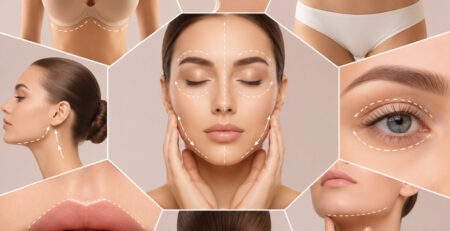
Similarly, the suitability of methods like non-surgical facelift should be evaluated based on the technology used and the individual’s current health condition. Şükrü İşler Aesthetic Clinic’s current information page also states that some non-surgical facelift procedures are not recommended for pregnant and breastfeeding individuals.
Can Chemical Peeling Be Done During Pregnancy?
Not all substances used in chemical peeling applications are the same. While the literature contains more positive safety evaluations regarding some superficial applications like glycolic acid or lactic acid, the absorption properties of salicylic acid, trichloroacetic acid, and different peeling agents vary from each other.
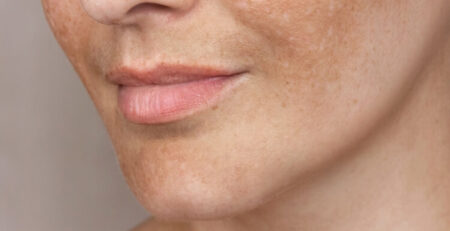
However, it should not be forgotten that some melasma, pigmentation, or skin changes that develop during pregnancy may resolve spontaneously after childbirth. Therefore, it is important that the content of products used in professional applications solely for cosmetic purposes is evaluated by a physician, and if necessary, the application is postponed until after childbirth.
How Soon After Childbirth Can Aesthetic Procedures Be Done?
It is not correct to give a single “one size fits all” answer regarding the best time for aesthetic procedures after childbirth. There is no rule like “everyone can have surgery exactly 6 months after childbirth”.
In a recent assessment published by the American Society of Plastic Surgeons in 2026, it is stated that most plastic surgeons generally refer to a recovery period of at least six months for procedures, while some surgeons prefer to wait 9-12 months or approximately one year. The main goal here is not to reach a specific date on the calendar; it is to ensure that the body is no longer changing.
The following factors are important in postpartum aesthetic planning:
- The time elapsed since childbirth,
- Whether breastfeeding continues,
- To what extent the weight gained during pregnancy has been lost,
- Whether the weight has been stable for several months,
- Whether breast volume continues to change,
- The degree of recovery of abdominal tissue,
- Healing of tissues related to C-section or birth,
- Presence of chronic illness or medication use,
- Whether a new pregnancy is planned,
- The scope of the planned aesthetic procedure and recovery period.
Therefore, if one person is suitable for surgery six months after birth, it does not mean that another person will be suitable at the same time.
Can Aesthetic Surgery Be Performed During Breastfeeding?
The decision for an aesthetic procedure during breastfeeding should be evaluated based on the type of procedure to be performed. Especially for breast surgery, it is important to wait for breastfeeding to completely end and for the breast tissue to reach its new stable volume.
After birth, breast volume and glandular structure continue to change in the breast where milk production continues. Measurements taken during this period may not reflect the actual breast volume several months later. Therefore, in breast aesthetic planning, it is important not only that breastfeeding has ended, but also that the breasts have become stable in terms of shape and volume after breastfeeding.
The American Society of Plastic Surgeons’ 2026 assessment states that some plastic surgeons prefer to wait at least approximately three months after the cessation of breastfeeding before breast surgery, and that it can take four to six months for breast tissue to return to its pre-pregnancy or new stable state in some individuals.
These periods are not definitive surgery dates. The patient’s examination findings are always more important than the calendar.
When Should Postpartum Breast Aesthetics Be Performed?
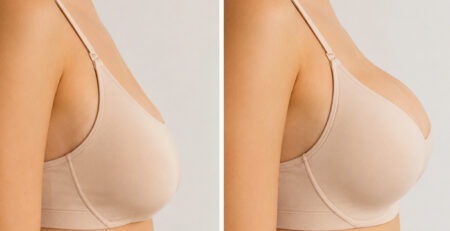
After pregnancy and breastfeeding, volume loss, sagging, asymmetry, or changes in nipple position may develop in breast tissue. Some individuals may be bothered only by volume loss, some only by sagging, and some by both conditions.
Therefore, the method to be applied in postpartum breast aesthetics may vary from person to person. If volume loss is prominent, breast augmentation, if sagging is significant, breast lift, or combined methods can be considered for suitable individuals.
However, before deciding on the correct method, breastfeeding should end, and breast tissue should stabilize. Otherwise, the operation plan would be created based on a constantly changing anatomical structure.
When is Postpartum Tummy Tuck Performed?
Throughout pregnancy, the growing uterus expands the abdominal wall. The skin stretches, and the abdominal muscles and the structures connecting the muscles in the midline may change. In some individuals, diastasis recti, known as the separation of abdominal muscles, may remain prominent after birth. Excess skin and localized fat tissue can also bother the person over time.
Tummy tuck surgery is one of the surgical options that can be applied to address such problems. However, planning a tummy tuck immediately after childbirth is generally not appropriate. The body should be given time for natural recovery and weight changes to complete.
It is especially important for individuals considering another pregnancy in the future to plan the timing of tummy tuck surgery carefully. A new pregnancy can re-stretch the abdominal skin and muscles, thus changing the aesthetic result previously achieved.
Can Liposuction Be Performed Immediately After Childbirth?
Liposuction is not a weight loss method. It is a surgical procedure aimed at contouring localized fat tissues. Therefore, planning liposuction before losing the weight gained during pregnancy and while body weight is constantly changing can make an accurate outcome assessment difficult.
After childbirth, a person’s weight can change for months due to shifts in nutrition, daily activity, and hormonal balances. If aesthetic body contouring is being considered, it is preferred that the individual first approaches a healthy weight they can maintain and that this weight becomes stable.
Should Aesthetic Surgery Be Postponed If a New Pregnancy Is Planned?
The answer to this question depends on the operation to be performed. Becoming pregnant again in the future does not always mean it is incompatible with having undergone plastic surgery; however, a new pregnancy can especially change the breasts, abdomen, and body contour again.
In terms of tummy tucks, future pregnancies can significantly alter the results. For this reason, the American Society of Plastic Surgeons lists the completion of family planning as one of the ideal candidate criteria for comprehensive body contouring operations after pregnancy.
In breast aesthetics, the breast may grow again during a new pregnancy, lose volume or sag after breastfeeding. Therefore, if a new pregnancy is being considered in the near future, the timing of the procedure should be discussed in detail with the doctor.
Is It Necessary to Wait Until After Childbirth for Nose Aesthetics?
Although rhinoplasty is not directly related to breast or abdominal tissues, it is an aesthetic surgery and is mostly performed under general anesthesia. Therefore, nose aesthetics for purely cosmetic purposes should not be planned during pregnancy, but should be evaluated during an appropriate period after childbirth.
The situation is different if there is a serious breathing problem, trauma, or another medical issue in the nose, apart from aesthetic appearance. In such a case, the necessity of the procedure will be additionally evaluated by the relevant physicians.
Why is it Important for Weight to be Stable Before Post-Pregnancy Aesthetics?
The goal of aesthetic surgery is not so much to change the number on the scale, but rather to shape body proportions and tissues. Significant weight loss or gain after surgery can lead to new changes in the breast, abdomen, arm, leg, and face areas.
Especially before procedures like tummy tuck, breast lift, and body contouring, it is important for the weight to become as stable as possible for the predictability of the long-term outcome.
However, “ideal weight” is not the same number for everyone. A person’s height, health status, body composition, and the type of operation should be evaluated together.
Do You Need to Wait for the Surgery Time to Go for an Aesthetic Consultation After Childbirth?
No. The fact that it’s too early for surgery does not mean that an aesthetic evaluation cannot be performed. A person can have an earlier consultation to learn about the changes that bother them after childbirth, understand which procedures might be considered in the future, and create an approximate roadmap.
Here, the purpose of the examination may not be to “have surgery immediately,” but also to determine the correct timing.
The initial examination or consultation at Op. Dr. Şükrü İşler Aesthetic Clinic is free of charge. If you are considering post-pregnancy breast, abdominal, facial, or body aesthetics, a suitable plan can be created for you during the free initial consultation by evaluating your current situation, breastfeeding period, weight changes, future pregnancy plans, and expectations.
For appointment and contact information, you can visit the contact page.
How Do You Know You Are Ready for Post-Pregnancy Aesthetics?
A calendar alone is not sufficient. Suitability for aesthetic surgery requires personal evaluation. In general, it is important that the acute recovery period after childbirth is completed before the operation, breastfeeding (if any) is evaluated according to the planned procedure, body weight becomes stable, and the person is able to manage the recovery period in their daily life.
Individuals with young children should also plan their post-operative care process in advance. Especially after abdominal and breast surgeries, lifting heavy objects may be restricted for a certain period, so family support may be needed to carry the baby or child.
Therefore, the ‘right time’ for aesthetic surgery is not only when the body is ready; it is also when the person’s social and daily life conditions are suitable for the recovery period.
Why Should Information on the Internet Regarding Aesthetics During Pregnancy Be Approached with Caution?
On the internet, information about botox, fillers, and other applications during pregnancy can be found that is completely contradictory. One important reason for this is that controlled clinical studies on some procedures are quite limited due to ethical and practical reasons.
The absence of problems observed in pregnant women who have undergone a procedure is not definitive proof that the procedure is safe. Similarly, a lack of sufficient data does not necessarily mean it is harmful. From a medical perspective, the main question is whether there is a need to take an uncertain risk for a procedure that is purely cosmetic and can be postponed for a few months.
Therefore, the most appropriate approach is to absolutely inform the doctor performing the aesthetic procedure about the pregnancy, and also to consider the recommendations of the attending obstetrician-gynecologist.
What Do Scientific Sources Say About Aesthetics During Pregnancy?
In the guidelines for non-obstetric surgery during pregnancy published by the American College of Obstetricians and Gynecologists, it is stated that medically necessary surgeries should not be postponed due to pregnancy; however, elective surgeries should be deferred until after delivery. For detailed information, the resource ACOG – Nonobstetric Surgery During Pregnancy can be reviewed.
In the academic review examining cosmetic procedures during pregnancy and lactation, it is reported that evidence regarding botulinum toxin, fillers, peels, lasers, and other cosmetic procedures is limited for many applications, and a cautious approach is required for elective aesthetic procedures. Source: A Review of the Safety of Cosmetic Procedures During Pregnancy and Lactation.
Another scientific review published on cosmetic dermatological procedures during pregnancy also states that due to the inadequacy of controlled studies, it is difficult to formulate definitive recommendations regarding the safety of especially fillers, peels, and most laser applications, and that deferring elective cosmetic procedures until after delivery is appropriate. Source: Safety of Cosmetic Dermatologic Procedures During Pregnancy.
The current systematic review published in 2026 evaluated the findings obtained to date regarding onabotulinum toxin A exposure during pregnancy and reported that the currently available data are still insufficient to definitively establish safety. Source: Safety and Efficacy of OnabotulinumtoxinA in Pregnancy: A Systematic Review.
Frequently Asked Questions
Can aesthetic surgery be performed during pregnancy?
It is a general approach to postpone elective aesthetic surgeries, which are not medically necessary and are solely for cosmetic purposes, until after childbirth instead of performing them during pregnancy. The evaluation of medically necessary surgeries, however, is entirely different and is made by the joint decision of the relevant specialists.
I had Botox without knowing I was pregnant, what should I do?
Instead of panicking, you should inform the physician who performed the procedure and the obstetrician/gynecologist who is monitoring your pregnancy. Your personal situation should be evaluated based on the available scientific data. General information on the internet does not substitute for a personal medical evaluation.
Can fillers be done during pregnancy?
As there is insufficient data to definitively establish the safety of cosmetic filler applications during pregnancy, postponing purely aesthetic filler procedures until after childbirth is generally a more cautious approach.
Can laser hair removal be done during pregnancy?
As there is insufficient data regarding the safety of cosmetic laser hair removal during pregnancy, it is generally preferred to postpone it until after childbirth. Hair growth can also temporarily increase during pregnancy due to hormonal reasons.
Can I have aesthetic surgery 3 months after giving birth?
This period might be too early for many comprehensive aesthetic surgeries. Suitability depends on the planned operation, type of birth, recovery, breastfeeding status, weight changes, and overall health condition. Most sources emphasize at least several months of recovery and body stabilization for postpartum surgery.
Can aesthetic surgery be performed 6 months after childbirth?
For some individuals, evaluation may be possible after six months, but six months is not an automatic surgery approval. If the body is still changing, weight loss continues, or breastfeeding is ongoing, a longer wait may be necessary.
Is it more appropriate to have aesthetic surgery 1 year after childbirth?
For many individuals, a period of approximately one year can allow body changes to become more stable. However, the necessary waiting period varies depending on the type of procedure and the individual’s condition.
Can breast aesthetics be performed while breastfeeding?
Surgeries such as breast augmentation, reduction, or lift are generally preferred to be planned after breastfeeding is completed and breast volume has stabilized.
How long after breastfeeding ends can breast surgery be performed?
The exact duration varies by individual. While some plastic surgeons prefer a stabilization period of at least approximately three months, a longer wait may be necessary for individuals whose breast volume continues to change.
Should I get a tummy tuck if I’m planning a second child?
Since a new pregnancy can stretch the abdominal skin and muscles again, postponing a tummy tuck until family planning is complete may be more advantageous for long-term results, especially if pregnancy is planned in the near future.
Can one get pregnant again after aesthetic surgery?
Many aesthetic surgeries do not directly prevent future pregnancy. However, pregnancy can change the shape of the breasts or abdomen achieved by the operation. Therefore, any future pregnancy plans must be shared with the surgeon before the operation.
Which surgery is performed for sagging breasts after pregnancy?
If the issue is solely sagging, breast lift; if volume loss is significant, augmentation; if there is both volume loss and sagging, combined methods can be considered for suitable individuals. The definitive method is determined after a physical examination.
When should the belly be aesthetically evaluated after pregnancy?
After childbirth, time should be allowed for the natural recovery of abdominal tissues and for weight changes to stabilize. Tummy tuck or other body contouring options are then evaluated on a case-by-case basis.
When can Botox be done after pregnancy?
After childbirth, the timing should be evaluated in conjunction with the breastfeeding status, reason for application, product to be used, and the individual’s health condition. Especially during breastfeeding, the decision regarding cosmetic procedures requires a personal physician’s assessment.
Do I need to wait until breastfeeding ends for the first aesthetic consultation?
No. Even if the suitable time for surgery has not yet arrived, a consultation can be held to get information about future procedures and appropriate timing.
Is the first consultation at Şükrü İşler Aesthetic Clinic charged?
No. The first examination or consultation at Op. Dr. Şükrü İşler Aesthetic Clinic is free of charge. If you are considering aesthetic procedures after pregnancy, your current situation can be evaluated to create a personalized roadmap on which procedure might be suitable for you and how long you might need to wait for the procedure.
When Should Pregnant Individuals Consider Aesthetic Procedures?
In most cases, it is a more appropriate approach to allow the body to complete its natural process rather than immediately intervening in the aesthetic changes that occur during pregnancy. Medically non-essential aesthetic surgeries should be postponed until after pregnancy; and for elective cosmetic procedures such as Botox, fillers, laser, and similar treatments, the limitations of current scientific data should be taken into consideration.
Even after childbirth, decisions should not be made solely by looking at the calendar. The status of breastfeeding, changes in breast and abdominal tissues, weight stability, general health, plans for a new pregnancy, and the scope of the planned operation should all be evaluated together.
While some individuals may be ready approximately six months after childbirth, for others, a waiting period of 9-12 months or longer might be more appropriate. Especially in breast surgery, it is important for breast volume to stabilize after breastfeeding has ended.
The initial examination or consultation at Op. Dr. Şükrü İşler Aesthetic Clinic is free of charge. If you are considering an aesthetic operation after pregnancy but are unsure about “When is the right time for me?”, a personalized plan can be created during the free initial consultation by evaluating your expectations, health status, and the changes in your body together.
This content has been prepared for general informational purposes. Medical or aesthetic procedures during pregnancy and breastfeeding should be evaluated based on personal health status. This content does not substitute for diagnosis, treatment, or individual medical advice. If any procedure is being considered during pregnancy, the individual should be evaluated by their obstetrician-gynecologist and the physician who will perform the procedure.