Does a Surgical Scar Completely Disappear? Treatment Guide
Does a Stitch Scar Completely Disappear?
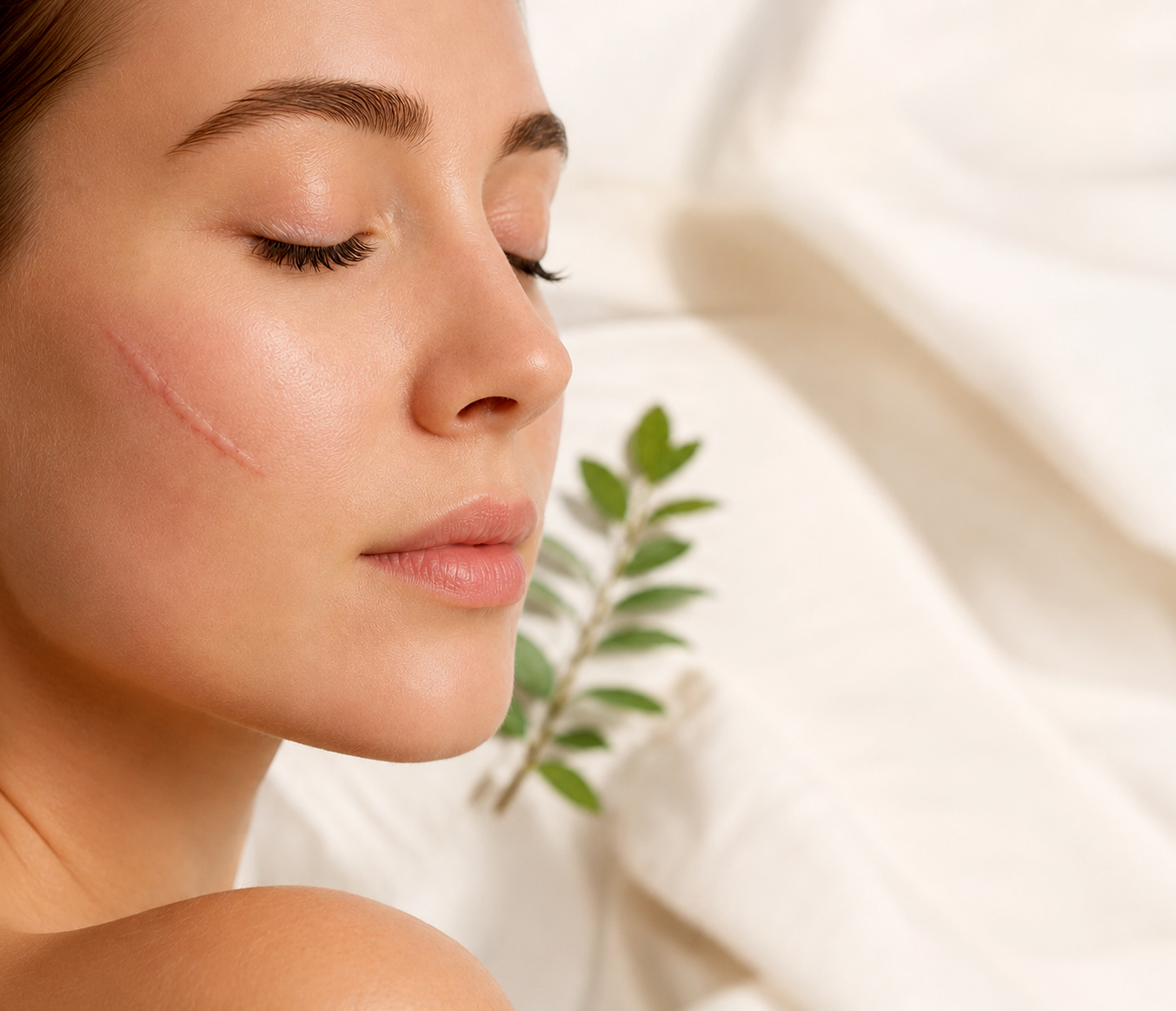
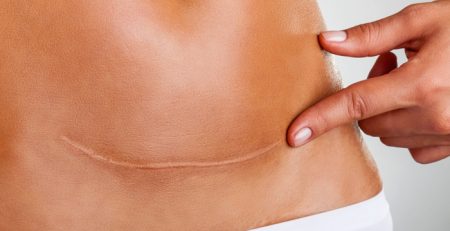
A stitch scar is a natural result of the skin’s healing process. Therefore, the most accurate answer is this: Most stitch scars do not completely become “zero”; however, their visibility can be significantly reduced with proper care, timely treatment, and personalized planning. While some scars fade almost imperceptibly, others may remain more noticeable. The main goal here is not to erase the scar completely, but rather to make it harmonious with the skin, thin, and inconspicuous.
At Op. Dr. Şükrü İşler Aesthetic Clinic, stitch scar assessment is performed based on the type, age, location of the wound, and the patient’s skin structure. The first examination or preliminary consultation is free. This way, which methods are suitable for you, how the treatment process will progress, and what the expected results might be can be clearly planned.
Why Do Stitch Scars Form?
When the skin is cut, the body quickly activates its repair mechanism. New tissue production begins, collagen fibers rearrange, and the wound closes. However, the structure of this new tissue is different from the old, healthy skin. This is why the appearance we call a “scar” emerges. In other words, a stitch scar is actually part of the healing process.
Several important factors play a role in a scar becoming prominent. Infection developing in the wound, excessive tension in the suture line, genetic predisposition, sun exposure, smoking, frequent trauma to the wound, and inadequate care can make the scar more visible. While skin healing progresses very regularly in some individuals, more raised scars such as hypertrophic scars or keloids can form in others.
Which Suture Scars Are More Difficult to Heal?
Not every suture scar is the same. There is a big difference between superficial and small cuts, and deep, tense, and long wounds. Especially scars that appear raised, firm, itchy, red, or purplish should be followed more carefully. In individuals prone to keloids, the scar can become even more prominent by extending beyond the wound boundaries.
Because the chest area, shoulders, back, and some mobile areas are under more tension, suture scars in these regions can be more persistent. Conversely, in scars closed with appropriate technique, well-protected, and treated in a timely manner, the results are much more satisfying.
Does a Suture Scar Completely Disappear, or Does It Only Fade?
The answer to this question is often ‘it fades’. However, in some patients, the scar can recede to a level where it is very difficult to discern with the naked eye. Whether a scar completely disappears or not is not determined by a single application; time, skin type, wound location, surgical technique, and subsequent care collectively determine the outcome.
Better results can be achieved if the correct approach is initiated early. Therefore, instead of thinking ‘it will pass anyway’, controlled follow-up is important even after the wound has closed. Especially for newly formed scars, silicone-based products and appropriate sun protection can reduce the burden of treatment in later stages.
What Should Be Done in the Initial Period?
The first weeks are critically important in scar treatment. During this period, it is essential not to damage the wound line, protect it from infection, and keep the skin away from unnecessary trauma. The most fundamental principle is to ensure the wound heals safely.
- Keep the wound clean and dry as recommended by the doctor.
- Do not pick at scabs; you could re-injure the new tissue.
- Try not to stretch the suture line.
- Protect from the sun in the first few months.
- Do not use random creams and oils without a doctor’s recommendation.
- Avoid scratching, rubbing, and tight clothing.
What Can Be Beneficial for Scar Treatment at Home?
Home care is a small but very important part of treatment. It doesn’t work miracles on its own, but it supports the effect of professional treatment. One of the most prominent methods is the use of silicone gel or silicone sheets. Clinical guidelines and academic publications state that silicone is one of the first-line options for scars with a tendency for hypertrophic scars and keloids.
Sun protection is also very important. Newly formed scars can become darker, redder, or more noticeable when exposed to the sun. Therefore, regular protection is necessary, especially in the first few months. Gentle massages applied as recommended by the doctor can reduce the feeling of hardness in some patients. However, since the timing and method of massage will vary from person to person, it must be done with a physician’s recommendation.
It is also necessary to distinguish between popular products that have weak scientific support. Not every cream, oil, or serum will have the same effect on a surgical scar. Therefore, the most appropriate approach is not to use “many products” but to use the “right product.”
Which Treatments Can Be Used in the Clinic?
If the suture scar is prominent or appears to be long-lasting, clinical treatment options can be considered. These options may include fractional laser, vascular lasers, intralesional injections, surgical revision, and in some cases, combination therapies. The best results are often achieved not with a single method, but with a staged and personalized plan.
Laser treatment does not yield the same result in every patient; however, in appropriately selected cases, it can reduce color differences, soften the tissue, and make the scar less noticeable. For raised or itchy scars, injection treatments may come into play. If the old wound line is too wide, it might be possible to achieve a new, more regular line through scar revision.
In the approach of Şükrü İşler Aesthetic Clinic, what is important is not just performing the procedure, but choosing the right method with the correct timing. Therefore, the initial assessment is one of the most valuable stages of treatment.
Does Laser Always Work for Suture Scars?
Laser is one of the frequently used methods in suture scar treatment; however, it is not equally effective for everyone. The result varies depending on the type, color, thickness, and age of the scar. The benefit may be higher in applications started early and performed with appropriate devices. On the other hand, for old, deep, and thick scars, laser alone may not be sufficient.
Therefore, the approach of “I had laser treatment, it will definitely disappear completely” is not realistic. The most accurate expectation is for the scar to soften, its color to fade, its prominence to decrease, and its harmony with the surrounding skin to improve.
When Should Suture Scar Treatment Begin?
The best time is when the wound has completely closed and your doctor deems it suitable for treatment. For some patients, early prevention makes a big difference. Especially if proper care is provided in the first weeks after surgery, the treatment burden may decrease in the later period. However, procedures are not performed on open wounds; safe healing must be ensured first.
Treatment is possible even if the scar has already matured. In other words, the idea that “it’s old, it’s too late now” is often not true. Only the treatment method and goal will be slightly different. While new scars focus on prevention, old scars aim to improve their appearance.
Can Stitch Scar Treatment Be Done in Summer?
Yes, it can be done. However, sun protection is much more important during the summer months. This is because scar tissue can be more sensitive to the sun, and color unevenness may develop. The use of sunscreen, choosing appropriate clothing, and avoiding direct sun exposure are particularly important points to consider during this period.
The most common mistake made by patients undergoing treatment in the summer is to relax their protection after the procedure. However, the success of the treatment depends not only on the method applied but also on the discipline afterwards.
Why Şükrü İşler Aesthetic Clinic?
Stitch scar treatment is not a procedure to be performed by rote. Every wound is different, and the healing story of each scar should be evaluated separately. At Op. Dr. Şükrü İşler Aesthetic Clinic, the goal is to improve the scar’s appearance to the best possible level and to do so with a personalized plan.
Patients who apply to the clinic are first thoroughly evaluated. The initial examination or preliminary consultation is free. During this consultation, the condition of the wound, previously applied procedures, skin type, expected treatment duration, and the most suitable options are discussed. This way, the patient clearly learns what to expect.
If you are concerned about a scar, it is possible to proceed with a much more controlled process with proper guidance. Both a protective approach for newly formed scars and corrective methods for old and prominent scars can be part of the same plan.
Related Content
To read more about this topic, you can also check out the following content on the site: Scar Treatment, The Most Accurate Methods in Surgical Scar Treatment, Burn Scar Treatment, and Do Scars Remain After Breast Aesthetics? To understand the relationship between sun and healing, the article When Can One Go Out in the Sun After Cosmetic Surgery? may also be helpful.
Academic Sources
For the scientific basis of scar treatment, the following sources can be considered:
Updated scar management practical guidelines: non-invasive and invasive measures
Efficacy of topical silicone gel in scar management
Laser therapy for treating hypertrophic and keloid scars
Frequently Asked Questions
How long does it take for a scar to fade?
This period varies from person to person. Some scars fade significantly within a few months, while others mature over a period of nearly a year. Skin type, wound location, quality of care, and genetic makeup affect this process.
Can a scar completely disappear with cream?
In most cases, no. Creams and similar products can be supportive, especially in the early stages; however, they are not sufficient on their own for raised, firm, or old scars. The most appropriate product selection should be made after a doctor’s evaluation.
What is the difference between a keloid and a normal scar?
A normal scar remains within the boundaries of the wound and tends to thin over time. A keloid, on the other hand, can grow beyond the wound boundaries and take on a more raised, firm appearance. The treatment approach also varies accordingly.
Can an old scar be treated?
Yes, it can. Old scars may not disappear completely; however, significant improvement can be achieved in terms of color, texture, firmness, and elevation. The selection of the appropriate method is crucial here.
How many laser sessions are needed?
A definitive number cannot be given. Depending on the type, depth, and skin structure of the scar, a few sessions may be sufficient, or a longer plan might be required. Therefore, the number of sessions will be determined after an examination.
Does the sun worsen scars?
Yes, it can worsen them. Especially in new scars, the sun can lead to darkening of the color and make the scar more prominent. Therefore, sun protection is important during the treatment process.
Does a scar completely disappear?
In most cases, the goal is not to completely eliminate it, but to make it as faint and natural-looking as possible. In some patients, the scar significantly diminishes and becomes difficult to notice from the outside.
What is discussed during the free initial examination?
During the initial consultation, the condition of the wound, the type of scar, previous treatments, your expectations, and possible treatment options are evaluated. This clarifies the most suitable plan for you.
Can I book an appointment online?
Yes. For the evaluation and appointment process, you can use the online appointment page.
The answer to the question “Does a surgical scar completely disappear?” is often that “the scar does not completely disappear, but its visibility can be significantly reduced.” The best result is achieved through proper care, correct timing, the right product selection, and the combined application of clinical treatments when necessary. Taking early precautions for newly formed scars, and creating a personalized treatment plan for old scars, increases the chance of success.
If your surgical scar bothers you aesthetically or psychologically, the most appropriate step is to seek a professional evaluation instead of postponing it. At Op. Dr. Şükrü İşler Aesthetic Clinic, the initial examination or preliminary consultation is free of charge. You can contact us to plan the most suitable approach for you together.