Does Genetic Structure Change Aesthetic Results?
Does Genetic Makeup Change Aesthetic Results?
Short answer: Yes, genetic makeup can affect aesthetic outcomes; however, genes alone do not determine the result. Genetic factors play a role in many characteristics such as the shape of facial bones, the properties of nasal cartilages, skin thickness, skin elasticity, fat tissue distribution, breast tissue structure, wound healing tendency, and aging patterns. Therefore, when the same aesthetic procedure is applied to two different individuals, the healing process and the resulting appearance may not be exactly the same.
One of the most important points of aesthetic surgery emerges precisely here: The goal is not to copy another person’s face or body, but to plan the most balanced result possible within the individual’s own anatomical and biological characteristics.
The presence of thick nasal skin, prominent jaw structure, early facial sagging, localized fat accumulation, breast sagging, or significant scar formation in a person’s family may indicate that similar characteristics can also be found in that individual. However, this is not a definitive outcome. Genetic makeup is only one piece of the overall picture.
The surgeon’s experience, the technique used, the individual’s age, weight, smoking habits, sun exposure, existing medical conditions, healing capacity, and adherence to post-operative recommendations also play a significant role in the outcome.
At Op. Dr. Şükrü İşler Aesthetic Clinic, the goal is to evaluate a person’s anatomical features and expectations together before planning any aesthetic procedure or surgery. The first examination or consultation is free. This way, before making any decision about a procedure, you can get information about your body structure, skin characteristics, expectations, and the options that can be considered for you.
What Does Genetic Makeup Mean?
Genetic makeup refers to a broad entirety formed by biological characteristics passed down from parents. A significant portion of the features that cause people to resemble or differ from each other are related to genetic factors.
Genetic characteristics do not only determine eye or hair color. Genetic and environmental factors also play a combined role in the formation of many physical features such as the general geometry of the face, nose width, jaw structure, prominence of cheekbones, skin characteristics, and body fat distribution.
Research examining the genetic makeup of the human face shows that normal variations in facial morphology have significant genetic components. For instance, those wishing to evaluate research on the genetic characteristics of the human face can review the facial genetics research published in PNAS.
This situation is important from the perspective of aesthetic surgery. Because the existing facial or body structure before surgery forms the starting point for any changes that can be made.
How Does Genetic Makeup Affect the Outcome of Aesthetic Surgery?
When aesthetic outcome is mentioned, it should not be understood as only the shape seen immediately after the surgery. The formation of the aesthetic outcome is a continuous process involving surgical planning, tissue healing, reduction of edema, maturation of the scar, and tissues adapting to their new positions.
Genetic characteristics can be effective at different stages of these processes.
For example, let’s consider two people who have a similar nose shape. One’s skin might be thin, while the other’s might be thick. Their cartilage structures can also differ. Even if the operation is performed with the same surgical goal, the way tissues outwardly display the new structure can vary.
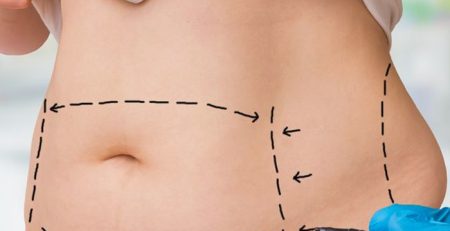
Similarly, when abdominal or body contouring surgery is performed on two individuals, the character of the results can change due to the skin’s recovery capacity, fat tissue distribution, and skin elasticity.
Therefore, it is not correct to think that a standard surgery in aesthetic surgery will produce a standard result for everyone.
Is Face Shape Genetic?
Genetic factors play an important role in the formation of face shape. Jaw structure, face width, nose characteristics, and the ratios between different regions of the face can partially exhibit hereditary traits.
Scientific research shows that the human face is a highly complex and genetically influenced trait. For comprehensive research evaluating the genetic basis of facial morphology, a scientific review published on craniofacial morphology and genetics can be examined.
However, facial appearance is not determined solely by genetic makeup.
Aging, weight changes, tooth and jaw development, sun exposure, lifestyle, and environmental factors can also change facial appearance over time.
Therefore, in face aesthetics planning, it is important to consider not just a specific area, but the proportions of the entire face.
Does Genetic Makeup Affect Nose Aesthetics Results?
Nose aesthetics is one of the areas of aesthetic surgery where the effect of genetic characteristics can be easily observed.
The initial structure of the nose can vary from person to person. The width of the nasal bone, the thickness and resilience of the cartilages, the structure of the nasal tip, the thickness of the skin, and the overall proportions of the face can affect surgical planning.
Skin thickness is particularly important.
While underlying bone and cartilage changes can be more noticeably seen in thin nasal skin, it may take longer for fine details at the nasal tip to emerge in a thick skin structure. The duration of post-operative edema reduction can also vary among individuals.
Therefore, directly applying a nose image seen on social media to another person is not a realistic approach.
The nose should be evaluated in conjunction with the person’s face.
If you are not satisfied with your nose shape, you can get detailed information about nose aesthetics (rhinoplasty).
Does the Nose Structure of the Mother or Father Affect the Aesthetic Outcome?
Genetic characteristics inherited from the mother or father can contribute to the formation of an individual’s existing nose structure. This is one reason why similar nose shapes are seen within a family.
However, the surgical outcome is not determined by “your mother’s or father’s nose”.
The surgical outcome is shaped by the individual’s own bone, cartilage, skin, and soft tissue structure.
Therefore, family resemblance can affect pre-operative anatomy, but the post-operative appearance results from a combination of surgical planning and the individual’s own healing characteristics.
Does Skin Thickness Affect the Aesthetic Outcome?
Yes. Skin thickness is an important evaluation criterion in some aesthetic surgeries.
Especially in the nose, face, and neck regions, skin quality can affect how the results appear externally.
Thick skin can obscure underlying small anatomical details more. Thin skin, on the other hand, can make underlying structures more easily noticeable.
However, there is no general rule like “thin skin is good, thick skin is bad”.
Both skin types have their unique advantages and surgical planning requirements.
What is important is that the surgery is planned according to the existing tissue characteristics.
Is Skin Elasticity Genetic?
Skin elasticity is not determined by a single factor. Genetic characteristics, age, sun exposure, weight changes, smoking, and general lifestyle can affect the skin’s characteristics over time.
A 2025 systematic review and meta-analysis examining the genetic determinants of skin aging reports that various genetic regions associated with wrinkles, sagging, and other skin aging characteristics have been found. The research is available via PubMed.
However, genetic predisposition does not mean that a person will definitively sag to a certain degree in the future.
Environmental factors such as sun protection, weight control, and lifestyle are also important in the appearance of skin aging.
Does Genetic Makeup Affect Facial Sagging?
In some individuals, laxity in the face and neck area may appear earlier than in their peers. The observation of similar changes at similar ages in family members may suggest a genetic predisposition.
However, facial sagging does not consist solely of skin laxity.
With age, in the face:
- Skin elasticity can change,
- The distribution of facial fat tissues can differentiate,
- Connective tissues can loosen,
- The position of muscles and soft tissues can change,
- Age-related changes in bone structure can affect facial proportions.
Therefore, when evaluating facial sagging, it may not be sufficient to look only at the skin.
In cases of significant sagging and tissue laxity, facelift options can be evaluated according to the individual’s anatomical characteristics.
For changes concentrated in the neck and jawline, information can be obtained about neck aesthetics.
Can Genetic Makeup Affect Breast Aesthetic Results?
Breast shape and rib cage anatomy can show significant differences from person to person.
Breast base width, the amount of existing breast tissue, nipple position, natural asymmetry between the two breasts, skin quality, and rib cage structure are factors that must be considered in aesthetic planning.
Therefore, two people of the same height and weight should not be expected to need the same surgical plan for breast augmentation or breast lift operations.
For example, when breast augmentation is planned, only the desired size is not considered. Parameters such as breast base, existing tissue amount, skin structure, and torso proportions are evaluated together.
Information about the methods used in breast aesthetics and the general approach can be obtained from the breast aesthetics page.
Does Genetic Makeup Affect Breast Sagging?
Many factors contribute to the development of breast sagging, such as age, pregnancy, breastfeeding, weight changes, breast volume, and gravity. Due to the structural characteristics of the skin and connective tissue, genetic predisposition can also contribute to the overall picture.
Therefore, the degree of breast sagging may differ in two people of the same age and with a similar life history.
In some individuals, changes are noticed earlier due to the characteristics of the skin and supporting tissues, while in others, the breast form can be preserved for a longer time.
Aesthetic planning should be carried out according to the current anatomical situation.
Can Body Type and Fat Distribution Be Genetic?
When people gain weight, the regions where fat accumulates more can vary among individuals.
In some individuals, the abdomen and waist circumference stand out, while in others, fat accumulation in the hip and leg area may be more pronounced.
In the formation of these differences, genetic characteristics, as well as gender, hormonal factors, age, eating habits, and physical activity level can play a role.
Therefore, in body contouring surgeries, only total weight is not evaluated. The regions where fat tissue is located, excess skin, and the body’s overall proportions are examined together.
You can examine body aesthetics options regarding the topic.
Does Genetic Structure Affect Scarring After Surgery?
One of the most important areas where genetic predisposition is crucial is wound healing.
Every surgical incision initiates the body’s natural wound healing mechanism. However, the appearance of the resulting scar is not the same for everyone.
In some individuals, the surgical scar becomes thinner and less visible over time, while in others, there may be a predisposition to hypertrophic scar or keloid development.
Research examining keloid development indicates that genetic predisposition can play a significant role in this process. An international systematic review published in 2024 evaluated potential genetic factors associated with keloid formation in different populations. You can access the study via PubMed.
Similarly, the review titled Genetics of Keloid Scarring, one of the fundamental scientific studies evaluating the genetic characteristics of keloid scars, also draws attention to the importance of familial predisposition and genetic factors.
If you have previously developed a prominent raised scar after surgery, piercing, burns, or injury, it is important to share this information with your surgeon before aesthetic surgery.
For applications regarding existing scars, you can review the scar treatment page.
Can Aesthetic Surgery Be Performed If There is Keloid in the Family?
The presence of keloids in the family alone does not mean that a person cannot undergo any aesthetic surgery.
However, it is important to evaluate the personal and family history of wound healing before surgery.
In particular, how a person’s scars healed after previous surgeries, incisions, piercings, or injuries can provide valuable information for the surgeon.
After the necessary evaluation, the incision site can be planned, post-operative wound monitoring can be performed, and, if necessary, preventive approaches can be tailored to the individual.
Is Healing Speed Genetic?
Healing speed cannot be explained solely by genetic characteristics.
In post-operative healing:
- Age,
- General health status,
- Nutrition,
- Smoking and nicotine use,
- Blood circulation,
- Scope of the surgery,
- Tissue characteristics,
- Development or non-development of infection,
- Post-operative care,
- Adherence to doctor’s recommendations
many factors such as these play a role together.
Genetic differences can affect wound healing mechanisms, but it is not possible to say exactly how many days a person will heal from surgery just by looking at their genetic makeup.
Does Genetic Makeup Affect Post-Operative Edema?
The development of a certain level of swelling and edema after aesthetic surgeries is an expected situation. However, the amount of edema and how quickly it subsides can vary among individuals.
The reason for this difference is not solely genetic.
Many factors play a role, such as the type of surgery, the extent of surgical intervention, the individual’s tissue characteristics, circulatory system, daily activity level, and post-operative care.
Especially in rhinoplasty, due to skin and soft tissue characteristics, the complete reduction of edema may take longer in some individuals.
Therefore, the appearance seen in the early stages should not be considered the final aesthetic result.
Does Genetic Makeup Affect the Permanence of Cosmetic Surgery?
The concept of “permanence” in cosmetic surgeries should be evaluated carefully.
Anatomical changes achieved surgically can be long-lasting; however, cosmetic surgery does not stop the natural aging process of the human body.
The individual continues to age even after the operation.
Changes in skin elasticity, weight gain or loss, pregnancy, hormonal changes, and lifestyle can affect the appearance over time.
In an individual genetically prone to earlier skin laxity or aging in specific areas, new changes may appear in later years.
This situation may not mean that the surgery has “deteriorated”; most of the time, it indicates that aging and natural changes in the body continue.
Do Genetic Factors Completely Determine the Aesthetic Outcome?
No.
This is one of the most significant misconceptions made about this topic.
Genetic makeup is an important starting point, but it is not an unchangeable fate that entirely determines the outcome of cosmetic surgery.
Surgical planning and the healing process are as important as the individual’s existing anatomy for the outcome.
For example, in an individual prone to scar formation, the surgeon can assess this information before the operation. In an individual with thick nasal skin, the surgical plan can be shaped accordingly. In an individual with significant skin laxity, a different approach might be necessary, considering skin excess instead of just liposuction.
Successful aesthetic planning takes these characteristics into account rather than ignoring the individual’s features.
Why Does the Same Aesthetic Surgery Yield Different Results in Two People?
Because human anatomy is not standard.
Even if two people want the same surgery, their starting points are different.
Nose bones are not the same. Skin thicknesses are not the same. Facial proportions are not the same. Breast tissues are not the same. Rib cage widths are not the same. Areas where fat accumulates are not the same. Skin elasticity and healing characteristics can also differ.
Therefore, the phrase “the same surgery” in aesthetic surgery can be technically misleading.
Even if the name of the operation is the same, the surgical approach used and the extent of the changes made can vary from person to person.
Is It Right to Want an Exact Replica of Someone Else’s Aesthetic Result?
Showing your doctor an aesthetic result you like can be useful in explaining your expectations.
However, expecting an exact copy of a photograph is not realistic.
For example, the facial structure, nasal base, chin projection, skin thickness, and facial proportions of the person you admire may be completely different from yours.
The goal in aesthetic surgery is not to make a face resemble someone else’s, but to create a balanced appearance that harmonizes with the individual’s existing anatomy.
Therefore, photos should be used to convey the message “this is the aesthetic understanding I like” rather than the “I want exactly the same” approach.
Can Aesthetic Surgery Be Planned Based on Genetic Structure?
In surgical planning, an individual’s existing anatomical and clinical characteristics are evaluated more than their genetic tests.
Face and body measurements, skin quality, tissue structure, muscle structure, fat distribution, bone and cartilage characteristics, and previous wound healing experiences can be directly examined.
Family history can also provide helpful information in some cases.
For instance, if there is a noticeable tendency for keloids in the family, or if the individual’s first-degree relatives have similar wound healing problems, it is beneficial to convey this information to the doctor.
Is It Necessary to Get Genetic Testing Before Aesthetic Surgery?
Routine genetic testing is not necessary before most standard aesthetic operations solely for the purpose of predicting the aesthetic outcome.
Currently, there is no single genetic test that definitively answers questions such as “what will be the outcome of a nose surgery,” “how much will my face sag,” or “what exactly will my surgical scar look like.”
Although scientific research reveals relationships between genetic factors and physical characteristics, it is often not possible to use these relationships to definitively predict the outcome of a single individual’s surgery.
From an aesthetic surgery perspective, physical examination, health history, previous surgeries, current anatomy, and the individual’s expectations provide much more direct information.
Why Is It Important for an Aesthetic Surgeon to Know Genetic Characteristics?
The surgeon does not need to know the patient’s family’s genetic map.
What is important is to evaluate the anatomical and clinical outcomes that genetic characteristics manifest in the body.
For example:
- Thick or thin skin structure,
- Cartilage characteristics,
- Natural facial asymmetry,
- Rib cage structure,
- Breast base width,
- Skin laxity,
- Fat distribution,
- Previous scars,
- History of keloids
can be evaluated during the examination.
This data helps personalize surgical planning.
What Should Be Mentioned in the Family History Before Aesthetic Surgery?
During the aesthetic examination, if you or close family members have noticeable wound healing problems, you can share this with your doctor.
In yourself, previously:
- Keloid,
- Prominent raised surgical scar,
- Prolonged wound healing,
- Unexpected bleeding problems,
- Significant problems related to anesthesia
if experienced, a doctor must be informed.
The aim here is not to solely attribute the aesthetic outcome to genetic factors, but to be able to make a safe and personalized assessment.
Can Natural Asymmetry Be Genetic?
The human body is not entirely symmetrical.
Natural differences may exist in eyebrow height, small variations between the two eyes, nasal axis, jawline, breast size, and between the right and left sides of the body.
These asymmetries are very subtle in some individuals, while more pronounced in others.
Genetic and developmental characteristics can play a role in the formation of natural asymmetry.
It is important to identify existing asymmetries before cosmetic surgery. Because the goal of the operation is not always to create mathematically perfect symmetry.
The goal is to achieve a more balanced appearance within the existing anatomical conditions.
Do Genetic Characteristics Change the Way We Age?
Yes, genetic factors play a role in the way we age.
While eyelid laxity may be noticed earlier in some families, changes in the neck or lower face area may be more pronounced in others.
However, genetic predisposition alone does not determine the rate of aging.
Especially prolonged sun exposure can significantly affect skin aging.
Lifestyle factors such as smoking, nutrition, sleep patterns, stress, and weight changes can also contribute to visible aging.
Therefore, it is not correct to think, “my mother had facial sagging, so I will definitely have it too.”
Genetic makeup can create a risk or predisposition; environmental factors that a person is exposed to throughout their life also play a role in the outcome.
Can the Outcome of Cosmetic Surgery Be Predicted with Certainty in Advance?
No. In aesthetic surgery, no simulation or assessment can guarantee the post-operative result one hundred percent.
Pre-operative photo analyses and digital imaging systems can help understand the targeted changes, but these are not a guarantee of definitive results.
The actual surgical outcome is shaped by the individual’s tissue healing response.
Therefore, setting realistic expectations before surgery is one of the most important stages of aesthetic surgery.
Which is More Important: Genetic Makeup or the Surgeon?
It is not correct to consider these two factors as alternatives to each other.
Genetic makeup constitutes the initial anatomy and some biological characteristics that the surgeon cannot change.
The surgeon, on the other hand, evaluates the existing anatomy and plans the changes that can be applied.
The most suitable outcome is aimed for by correctly understanding the individual’s anatomical limits and setting surgical goals accordingly.
Therefore, personalized planning is important in aesthetic surgery.
Is a Good Aesthetic Outcome Possible Despite Genetic Makeup?
The phrase “despite genetic makeup” does not actually reflect the correct approach.
Aesthetic surgery is planned not with the aim of fighting against genetic makeup, but by considering the individual’s existing anatomical characteristics.
Thick skin, thin skin, wide face, narrow face, strong or weak cartilage structure are not flaws, but rather the individual’s anatomical characteristics.
When the surgical approach is chosen to suit these characteristics, more realistic goals can be set.
Therefore, what is important is not to achieve another person’s anatomy, but to evaluate the balance within the individual’s own face or body structure.
Does Genetic Makeup Change the Aesthetic Decision?
In some cases, it can.
During the examination, by evaluating the characteristics of the tissues, a different approach may be found more suitable instead of the procedure the person initially considered.
For example, in a person who thinks the only problem is excess fat, the main problem may be seen as skin laxity.
Similarly, if a person only seeking breast augmentation also has significant sagging, the need for a lift may also arise.
Therefore, it is not correct to choose an aesthetic procedure based solely on internet research or the results of other people.
Does Genetic Makeup Change Aesthetic Results? Summary
Yes, genetic makeup can play a role in shaping aesthetic results.
Genetic factors can affect a person’s facial and body anatomy, skin characteristics, tendency to age, and certain wound healing properties.
However, genetic makeup is not the sole determinant of the aesthetic outcome.
The aesthetic result;
- Initial anatomy,
- Skin and soft tissue characteristics,
- Surgical method,
- Scope of the operation,
- Surgeon’s planning,
- Patient’s general health status,
- Lifestyle,
- Healing response,
- Post-operative care
is formed as a result of the combination of many factors such as these.
Therefore, instead of directly accepting an aesthetic result you see in a friend or on social media as a reference for yourself, it would be more accurate to have an evaluation based on your own anatomical characteristics.
What is Evaluated During a Free Initial Examination or Consultation?
At Op. Dr. Şükrü İşler Aesthetic Clinic, the first examination or consultation is free.
This consultation should not be considered merely a brief meeting where you only state which aesthetic procedure you desire. The aim is to jointly evaluate the person’s expectations and existing anatomical characteristics.
Depending on the operation of interest, skin structure, facial or body proportions, existing asymmetries, tissue quality, previous operations, wound healing history, and the desired appearance of the person can be discussed.
Especially “Does my genetic makeup affect my aesthetic outcome?”, “Everyone in my family has thick-skinned noses, what will my result be like?”, “There’s keloid in my family, do I have a risk for surgical scars?” or “My mother had facial sagging at an early age, will I also have it?” such questions can be directed to the doctor during the free initial consultation.
A personalized surgical plan can only be created after a proper examination and evaluation.
You can submit your appointment request via the online appointment page or reach the clinic through the contact page.
Frequently Asked Questions
Does genetic makeup really affect the outcome of aesthetic surgery?
Yes. Genetic characteristics can affect an individual’s initial anatomy, skin properties, and certain healing tendencies. However, the final result is not solely dependent on genetic makeup. Surgical technique, health status, lifestyle, and postoperative care are also important.
Can the result of aesthetic surgery resemble my mother or father?
The anatomical features inherited from your family can affect your initial structure, but it cannot be said that the surgical outcome will directly resemble your mother or father. The result is based on your own anatomical characteristics.
Does thick skin negatively affect rhinoplasty results?
No. Thick skin alone does not mean a bad outcome. However, it can affect the visibility of fine details at the nasal tip and the duration of edema regression. Surgical planning should be done according to the skin structure.
Is thin skin better for rhinoplasty?
Each skin type has different characteristics. Thin skin can make changes made underneath more prominent, but it can also make small irregularities more visible. Therefore, it should not be evaluated as “good” or “bad” on its own.
If there’s keloid in my family, will I definitely get it too?
No. The presence of keloids in the family does not mean that the person will definitely develop keloids. However, since there may be a genetic predisposition, it is important to inform the doctor about the family and personal wound healing history.
Can I have cosmetic surgery if I have previously developed raised scars?
This situation does not automatically mean that cosmetic surgery is prevented. However, your existing scars and previous healing experience must be evaluated by the doctor before the surgery.
Can I learn my cosmetic outcome by getting a genetic test?
Currently, there is no routine genetic test that accurately predicts the outcome of cosmetic surgery. For surgical planning, physical examination, existing anatomy, health history, and previous wound healing experiences provide more direct information.
Why do two people who have the same rhinoplasty have different results?
Because the nasal bone, cartilage structure, skin thickness, facial proportions, and healing response are different. Even if the name of the operation is the same, the surgical plan may vary from person to person.
Can genetic makeup affect the facelift outcome?
Skin elasticity, connective tissue characteristics, and the manner of aging can affect the character of the results. However, age, sun exposure, smoking, and weight changes are also important factors.
Is genetic makeup important in breast aesthetics?
Breast base, rib cage, existing breast tissue, skin quality, and natural asymmetries are important in operation planning. Genetic and developmental factors may play a role in the formation of these characteristics.
Can the body’s fat distribution areas be genetic?
Yes, genetic factors can influence fat distribution. However, diet, physical activity, hormones, age, and overall weight status can also affect fat distribution in the body.
If I am genetically predisposed to premature aging, will the effect of cosmetic surgery be short-lived?
It is not possible to say this by only looking at genetic predisposition. Aesthetic surgeries do not stop natural aging, but the permanence of the surgery can be affected by many factors such as the person’s lifestyle, weight changes, sun exposure, and the type of operation performed.
Is family history requested before aesthetic surgery?
Relevant health and wound healing history may be important for evaluation. It is beneficial to inform your doctor, especially if you or your family have a significant keloid or unusual wound healing problem.
Can I get the exact aesthetic result I saw on social media?
Another person’s result can be used as an example to describe your expectations, but it is not possible to guarantee the exact same result due to anatomical differences. The aesthetic plan must be suitable for your facial or body proportions.
What is the most important thing before aesthetic surgery?
One of the most important stages is proper patient evaluation and setting realistic expectations. The existing anatomy, skin and tissue characteristics, health status, and the person’s expectations should be evaluated together.
Is the first examination or consultation charged?
No. At Op. Dr. Şükrü İşler Aesthetic Clinic, the first examination or consultation is free. During the consultation, you can get information about the aesthetic procedure you are interested in, your anatomical features, your expectations, and the options that can be evaluated for you.
Learn How Your Genetic Makeup Affects Your Aesthetic Plan
In aesthetic surgery, one of the most important questions is not “Which procedure is popular?” but “Which approach is suitable for my anatomical structure?”
Due to genetic makeup, skin characteristics, facial and body proportions, natural asymmetries, and individual healing characteristics, each aesthetic plan should be evaluated individually.
The result that looks good on someone else may not necessarily apply exactly the same way to you. The correct approach is to discuss the achievable changes and possible limitations before the surgery, by evaluating your existing anatomical structure.
At Op. Dr. Şükrü İşler Aesthetic Clinic, the initial examination or consultation is free. You can benefit from a free initial consultation to learn about the potential effects of your genetic and anatomical characteristics on the aesthetic procedure you are interested in, to evaluate your expectations, and to get information about the options that may be suitable for you.
Note: This content has been prepared for general informational purposes. Genetic characteristics alone do not determine the outcome of an aesthetic operation or the risk of complications. The suitability, risks, recovery process, and expected results of every surgical and medical aesthetic procedure may vary from person to person. A definitive evaluation and treatment plan should be created after a physician’s examination.