Does Vision Quality Change After Eyelid Aesthetics?
Does Vision Quality Change After Eyelid Aesthetics?
The question of whether vision quality changes after eyelid aesthetics is one of the most frequently wondered topics by individuals considering blepharoplasty. The direct connection of the eye area with the organ of sight can lead to concerns such as vision loss, blurry vision, dry eyes, or narrowing of the visual field before the surgery.
The short and general answer is this: The primary goal of eyelid aesthetics performed with correct patient selection, detailed pre-operative evaluation, and individualized surgical planning is not to change visual acuity. However, if excess skin on the upper eyelid obstructs the visual field, a functional improvement, especially in the upper and peripheral vision, may be experienced after the surgery. In the initial recovery days, temporary blurring may occur due to edema, the use of eye ointments, temporary changes in the tear film, and sensitivity on the eye surface.
Here, it is important to correctly evaluate the concept of “visual quality”. Visual quality is not just about how clearly you see letters in the distance. Field of vision, ability to distinguish contrasts, maintenance of eye surface moisture, sensitivity to light, eye fatigue, and comfort felt while looking at a screen for a long time are also parts of the visual experience. Therefore, the effect of eyelid aesthetics is not the same for every patient.
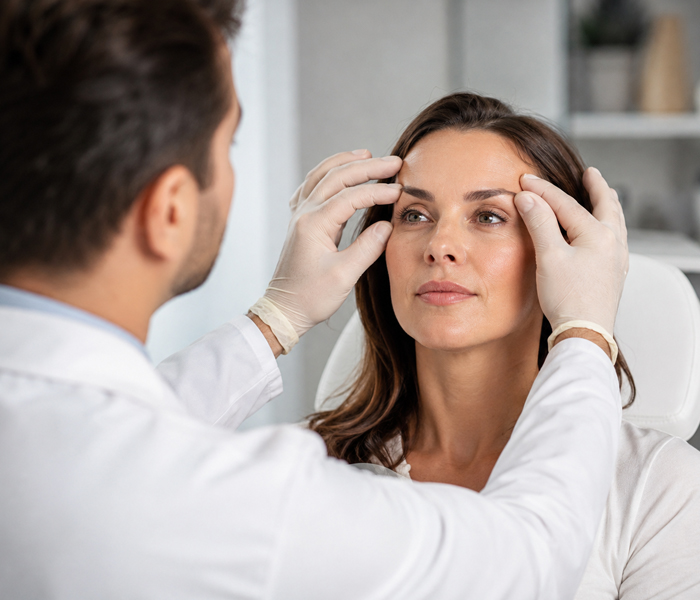
At Op. Dr. Şükrü İşler Aesthetic Clinic, the expectations, periocular anatomy, existing complaints, and suitability for surgery of individuals considering eyelid aesthetics are evaluated personally. The initial examination or consultation is free. Thus, the procedure can be evaluated not only in terms of aesthetic expectations but also regarding visual field and eye surface health.
What is Eyelid Aesthetics?
Eyelid aesthetics, medically known as blepharoplasty, is a surgical procedure aimed at correcting issues such as excess skin, prominent fatty tissues, bagging, and, if necessary, muscle tissue problems in the upper and/or lower eyelids. The procedure is not performed solely to achieve a younger and more rested appearance around the eyes. In some individuals where excess skin on the upper eyelid sags over the eye, it can also provide functional benefits.
In upper eyelid aesthetics, the incision is usually planned within the natural crease line of the eyelid. Excess skin is removed in a controlled manner; fat tissues or other structures may be intervened upon according to the individual’s anatomy and needs. In lower eyelid aesthetics, under-eye bags, excess skin, the position of fatty tissues, and the support of the lower lid are evaluated together.
The scope of the procedure should be determined by the person’s anatomical need, not their age. While some individuals only have excess skin on the upper lid, others may also experience eyebrow ptosis, true eyelid ptosis, under-eye bags, or volume loss in the mid-face region. Distinguishing these conditions from each other is important for both the aesthetic outcome and the preservation of eye functions.
For more detailed information about the general scope of eyelid surgery, you can review the eyelid aesthetics page. For procedures addressing sagging and excess skin on the upper lid, you can access the upper eyelid aesthetics content.
Does Eyelid Aesthetics Change Visual Acuity?
Eyelid aesthetics is not an eye surgery performed to treat refractive errors such as myopia, hyperopia, or astigmatism. Therefore, the primary goal of a standard blepharoplasty is not to change eyeglass prescription or correct the eye’s optical system. The main area of operation is not the eyeball itself, but the eyelids and the soft tissues around the eye.
Permanent changes in visual acuity are not expected in most patients. However, vision may temporarily blur during the early recovery period. This blurring is mostly associated with swelling in the eyelids, irregularity of the tear film, dryness on the eye surface, or the spread of recommended ointments on the eye surface after surgery.
Swelling in the eyelid tissues can temporarily affect how the eye opens and closes. If blinking is not as strong or complete for a few days, it can make it difficult for the tear film to spread evenly over the cornea. When the tear film becomes irregular, a person may experience fluctuating and intermittent blurriness, especially when looking at a phone, computer, or television for extended periods.
This condition should not be confused with permanent vision loss. However, symptoms such as a sudden and significant decrease in vision, severe eye pain, progressively increasing unilateral swelling, protrusion of the eye, seeing faded colors, double vision, or darkening in the field of vision should not be considered as signs of routine recovery. In such a situation, the surgeon who performed the operation should be contacted without delay.
Can Upper Eyelid Aesthetics Improve the Field of Vision?
When excess skin on the upper eyelid reaches an advanced stage, it can fold downwards towards the upper part of the eye and limit a person’s field of vision, especially when looking upwards or sideways. Some people unconsciously try to keep their eyes more open by constantly raising their eyebrows. This habit can lead to fatigue in the forehead muscles, accentuation of forehead lines, and complaints such as headaches at the end of the day.
In suitable patients where excess skin covers the field of vision, upper blepharoplasty can reduce the mechanical obstruction in front of the eye. This can lead to an expansion in the upper field of vision, more comfortable sight during reading and driving, less effort to keep the eyes open, and greater comfort in daily activities.
A systematic review examining the functional outcomes after upper blepharoplasty indicates that in suitable patients, widening of the visual field, improvement in vision-related functions, and an increase in quality of life were reported. You can access the relevant scientific publication via PubMed.
An assessment published by the American Academy of Ophthalmology also states that the correction of upper eyelid skin excess and eyelid ptosis can provide improvement in vision, peripheral vision, and daily living activities. You can review the academic assessment here.
However, not every upper eyelid that appears saggy is caused by the same reason. Brow ptosis, eyelid ptosis referred to as true ptosis, and mere skin excess are different conditions. The removal of upper eyelid skin may not correct true ptosis on its own. Therefore, the operation plan should not be determined solely by looking at a photograph of the eye area, but by performing a dynamic examination of the face and eyelids.
What Causes Blurred Vision After Eyelid Aesthetics?
There is no single cause for temporary blurred vision that occurs after blepharoplasty. One of the most common causes of blurriness that can be observed in the first few days is edema in the surgical area. Swelling can temporarily alter the eyelid’s contact with the eye surface and the blinking pattern.
Antibiotic or moisturizing eye ointments prescribed after surgery can also cause temporary blurriness. Because the oily nature of the ointment creates a thin layer on the tear film, vision may be hazy for a while after application. This effect is generally related to the composition of the medication and does not signify a permanent vision impairment.
Dry eyes are also one of the important causes of fluctuating vision. The tear film helps the cornea form a smooth and transparent optical surface. When the tear film deteriorates, vision clarity may improve after blinking, then blur again within a few seconds. Burning, stinging, grittiness, watering, and light sensitivity may accompany the blurriness.
Some patients may think their eyeglass prescription changes after surgery. Changes in the pressure of the eyelid on the cornea can rarely cause temporary or measurable differences in corneal curvature and astigmatic values. Scientific studies evaluating changes in corneal topography after upper eyelid surgery have reported changes in some patients that may affect eyeglass or contact lens correction. You can review the related research on PubMed.
Therefore, instead of getting new glasses immediately after the surgery, it may be more appropriate to wait for the tissues and eye surface to heal. When the eyeglass prescription needs to be re-evaluated should be determined by the ophthalmologist based on existing eye conditions and the healing process.
How Does Dry Eye Affect Vision Quality?
Dry eye is one of the most important factors that can temporarily affect visual comfort after eyelid aesthetics. Dry eye is not just a feeling of “thirst” in the eye. When the quantity, quality, or distribution of the tear film on the eye surface is impaired, burning, stinging, redness, light sensitivity, foreign body sensation, excessive watering, and fluctuating vision may occur.
Temporary weakening of the blinking mechanism after blepharoplasty, difficulty in complete closure of the eyelids due to swelling, or increased exposure of the eye surface can exacerbate dryness symptoms. These symptoms may be felt more prominently in individuals with dry eyes before surgery.
A comprehensive scientific review examining the relationship between cosmetic blepharoplasty and dry eyes emphasized the importance of pre-operative risk assessment, a protective surgical approach, and appropriate post-operative ocular surface care. You can access the review via the National Library of Medicine.
The effect of dry eyes on vision may not be constant. A person might see better in the morning but experience blurriness in the evening, or the image quality may decrease when looking at a screen for a long time. Short-term improvement in clarity after blinking might suggest that the blurriness is related to the tear film. However, the exact cause cannot be determined without an examination.
If conditions such as significant dry eyes, blepharitis, meibomian gland dysfunction, thyroid eye disease, previous eye surgery, contact lens use, or incomplete eyelid closure are present before surgery, these should be reported to the surgeon. If necessary, an evaluation by an ophthalmologist may be requested.
When Does Vision Become Clear After Eyelid Aesthetics?
The time it takes for vision to become completely clear is not the same for everyone. The scope of the procedure performed, whether the upper or lower eyelid is operated on, the individual’s tear quality, the level of swelling, medications used, and existing eye conditions can affect the healing rate.
In the first few days, fluctuations in vision may be observed due to swelling, watering, dryness, and ointment use. As the swelling decreases and the blinking pattern returns to normal, visual comfort generally increases gradually. While some individuals can comfortably perform their daily activities within a few days, it may take longer for others for the sensitivity on the eye surface to subside.
Healing does not necessarily progress linearly. A person who sees more clearly one day may experience blurriness again the next day due to prolonged screen use, insufficient sleep, dry air, or air conditioning. Such fluctuations can be observed especially in patients with dry eyes.
Proper use of medications recommended by the physician, avoiding rubbing the eyes, not missing follow-up appointments, and adhering to care instructions help the healing process progress safely. For more information on postoperative sun sensitivity and scar protection, you can review the post-cosmetic surgery sun exposure guide.
Does Lower Eyelid Aesthetics Affect Vision?
In lower eyelid aesthetics, under-eye bags, the position of fat tissues, excess skin, and the support of the lower eyelid are evaluated. The purpose of this operation is not to change the refractive power of the eye or retinal functions. However, due to the close relationship of the lower eyelid with the eye surface, watering, dryness, light sensitivity, and temporary blurriness may be observed in the initial period.
Excessive pulling down of the lower eyelid or insufficient eyelid support can cause the eye to remain more exposed. This situation can lead to dry eyes, watering, and irritation on the eye surface. Therefore, in lower eyelid operations, not only the reduction of puffiness but also the preservation of the eyelid’s anatomical support is important.
It is not correct to remove the same amount of skin or fat from every patient. In some individuals, it may be necessary to reposition the fat tissue instead of completely removing it, while in others, additional support may need to be applied to the lower eyelid. The surgical plan should be made by evaluating the midface and the eyelid together.
Which Eye Problems Should Be Reported to the Doctor Before Surgery?
During the consultation before eyelid aesthetics, not only aesthetic expectations but also existing eye and general health issues should be discussed in detail. If you have previously been diagnosed with dry eyes, regularly use artificial tears, or your eyes do not close completely while sleeping, it is important to inform your surgeon about this.
Glaucoma, retinal disease, eye findings related to thyroid disease, previous laser eye surgery, cataract surgery, contact lens use, eyelid infections, frequent stye formation, and chronic allergic eye complaints may also be important in the evaluation.
Complete information should be provided about blood thinners, regularly used supplements, hypertension, diabetes, smoking, and diseases that may affect wound healing. Medications should not be discontinued or their dosages changed without the physician’s knowledge.
During the examination, the symmetry of the eyelids, the amount of skin, the position of the eyebrows, the closure of the eyelids, the laxity of the lower eyelid, and risks related to the ocular surface may be examined. If there is significant drooping affecting the field of vision, an additional eye examination or visual field test may be required.
What Should Be Considered to Maintain Vision Quality After Eyelid Aesthetics?
The post-operative care program should be individualized. Therefore, general recommendations found online do not supersede the instructions given by your surgeon. Recommended eye drops, ointments, and other medications should be applied as prescribed.
Keeping the head slightly elevated in the first few days and applying cold compresses as deemed appropriate by the physician can help control swelling. Cold compresses should not be applied directly to the skin or with excessive pressure. Eyelids should not be rubbed, scabs should not be picked, and uncontrolled products should not be applied to the surgical area.
When using phones, tablets, and computers, the blinking frequency may decrease. This can increase dry eyes and wavy vision. In the early period, taking frequent breaks from screen use, resting the eyes, and reducing dry environmental conditions can be beneficial.
Wind, air conditioning, cigarette smoke, and excessively dry environments can increase discomfort on the eye surface. When going outdoors, using appropriate sunglasses during the period allowed by the physician can both reduce light sensitivity and protect the eye area from environmental effects.
When to start using contact lenses may vary from person to person. Using contact lenses while dry eyes and lid sensitivity persist can increase discomfort. Contact lens use should only be resumed with the approval of the surgeon or ophthalmologist.
Individuals planning to go to the sea or pool after surgery should wait for the incisions to fully close and for the surgeon’s approval. For detailed information on this topic, you can read the content on swimming in the sea and pool after aesthetic surgery.
Which Symptoms Require Immediate Medical Attention?
Mild swelling, bruising, temporary tightness, watering, and short-term blurriness after ointment use can be observed during the early recovery period. However, some symptoms require prompt evaluation.
In case of sudden or progressive vision loss, significant vision reduction in one eye, severe and progressively increasing eye pain, rapidly growing swelling, protrusion of the eye, uncontrollable bleeding, significant double vision, fading colors, severe headache, nausea, or severe restriction in eye movements, a surgeon should be contacted immediately.
Severe dryness on the eye surface due to incomplete eyelid closure, intense stinging, or inability to look at light should also not be neglected. Early evaluation is important for protecting the eye surface and managing possible complications.
Is There a Risk of Vision Loss in Eyelid Aesthetics?
As with every surgical procedure, risks are not zero in blepharoplasty. Permanent vision loss is listed in medical sources as one of the very rare but serious complications of eyelid aesthetics. The existence of this risk should be explained to the patient within the scope of informed consent before the surgery.
To reduce the risk of rare but serious problems, it is important to accurately assess the patient’s medical history, be aware of medications that affect bleeding risk, perform surgical planning in accordance with anatomical limits, and report unusual symptoms without delay after surgery.
The EyeWiki resource of the American Academy of Ophthalmology lists bleeding, infection, healing problems, the need for additional surgery, and a rare risk of vision loss among the possible complications of upper eyelid blepharoplasty. You can review the academic content via EyeWiki.
Risk lists found on the internet do not, by themselves, indicate an individual’s personal risk level. Personal risk should be evaluated based on age, anatomy, existing diseases, medications used, previous operations, and the technique to be applied.
How to Preserve Visual Quality and Aesthetic Result Together?
In a successful eyelid aesthetic, the goal is not merely to remove the maximum possible skin. The natural eyelid movements, closure function, tear distribution, and the individual’s unique eye shape must be preserved.
Removing too much skin can make it difficult for the eyes to close completely. Uncontrolled intervention in muscle and supporting tissues can affect the eye surface. Conversely, insufficient intervention can lead to the patient’s functional and aesthetic expectations not being met. Therefore, in surgery, a “sufficient and balanced” approach is important instead of a “more is better” approach.
In a person with eyebrow ptosis, removing only the upper eyelid skin may not provide the expected result. Similarly, if both eyelid ptosis and excess skin are present simultaneously, the treatment plan must address both conditions. To get information about the approach that considers the entire face, you can visit the facial aesthetics page.
Can Artificial Intelligence Predict the Outcome of Eyelid Aesthetics?
AI-supported image analysis is increasingly used for evaluating facial proportions, preparing pre-operative simulations, and improving patient communication. However, an image generated by artificial intelligence is not a guarantee of the surgical outcome.
The thickness of eyelid tissues, muscle functions, eyebrow position, tear quality, wound healing characteristics, and eyelid movement cannot be fully assessed solely from a two-dimensional photograph. Artificial intelligence can be a tool to support the assessment; however, it cannot replace a physical examination and the surgeon’s clinical judgment.
It is not correct to answer questions such as “Will I definitely see better after eyelid aesthetics?” or “Will my eyes look exactly like this?” solely with artificial intelligence simulations. Whether an improvement in the field of vision can be expected depends on whether the existing excess skin is actually obstructing vision.
For various content on how artificial intelligence tools should be evaluated in aesthetic operations, you can review the article the most researched aesthetic operations according to artificial intelligence.
Why is a Personal Examination Necessary for Eyelid Aesthetics?
Eyelid aesthetics is not a procedure that can be applied to everyone in the same way with standard measurements. Eyelid droopiness that appears similar externally in two individuals can stem from different reasons. While the primary issue for one person might be excess skin, another person might have eyebrow ptosis, true ptosis, volume loss around the eyes, or changes due to thyroid disease.
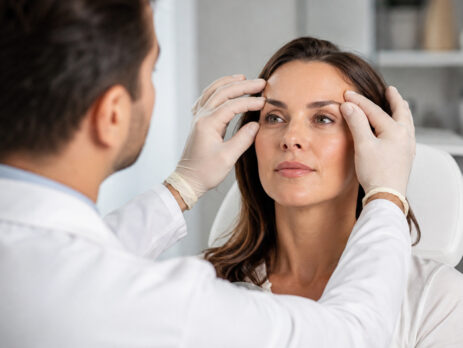
During the examination, the movements of the eyelids when open and closed, blinking function, excess skin, eyelid creases, eyebrow position, and lower eyelid support are evaluated. The person’s past operations, medications used, symptoms of dry eye, and vision-related complaints are listened to.
As a result of this evaluation, it can be determined whether surgery is appropriate, whether only the upper eyelid or also the lower eyelid will be addressed, and if there is a need for an additional eye examination. Furthermore, the aesthetic and functional changes that can be expected from the surgery can be realistically discussed.
The initial examination or consultation at Op. Dr. Şükrü İşler Aesthetic Clinic is free. You can take advantage of the free initial consultation to learn whether eyelid aesthetics is suitable for you, whether the existing sagging affects your field of vision, and what you need to pay attention to during the recovery process.
General Conclusion on Vision Quality After Eyelid Aesthetics
Eyelid aesthetics is not an operation performed to change eye prescription or treat eye diseases. In a properly planned blepharoplasty, a permanent change in visual acuity is not expected in most patients. During the initial recovery period, temporary blurred vision may be experienced due to swelling, dry eyes, irregularity in the tear film, and the use of ointment.
If excess skin on the upper eyelid obstructs the field of vision, relief in the upper visual field and an improvement in daily visual comfort can be achieved after the operation. However, each patient’s anatomy and eye health are different. Therefore, results vary from person to person, and the decision for surgery should not be made based solely on general internet information.
Before surgery, dry eyes, contact lens use, previous eye operations, glaucoma, thyroid disease, and medications used must be disclosed. If unusual symptoms such as sudden vision loss, severe pain, or rapidly increasing swelling are experienced after surgery, an emergency evaluation is required.
Personal examination and controlled surgical planning are essential for a result that preserves visual functions, supports natural eyelid movements, and is compatible with the general anatomy of the face.
Frequently Asked Questions
Does eyelid aesthetics impair vision?
The primary goal of eyelid aesthetics, performed with proper patient selection and appropriate surgical planning, is not to impair vision. In the first few days, temporary blurred vision may occur due to swelling, ointment use, and dry eyes. However, sudden or progressive vision loss is not considered normal and requires urgent evaluation.
Does eyelid aesthetics widen the field of vision?
If excess skin on the upper eyelid covers the upper part of the eye, controlled removal of this skin can provide relief in the upper and peripheral field of vision. The extent of changes expected in the field of vision should be evaluated through examination and, if necessary, a visual field test.
How many days does blurred vision last after eyelid surgery?
The duration varies from person to person. In the first few days, blurred vision may occur due to ointment, swelling, watering, and changes in the tear film. If vision progressively worsens, if there is a significant decrease in one eye, or if accompanied by severe pain, a doctor should be consulted without waiting for the scheduled check-up.
Does eyeglass prescription change after blepharoplasty?
Blepharoplasty is not an eye prescription correction surgery. A permanent change in prescription is not expected in most people. However, changes in the pressure of the eyelid on the cornea or dry eyes can cause temporary differences in measurements. For a new eyeglass prescription, it is advisable to wait for complete healing and the ophthalmologist’s recommendation.
Is double vision normal after surgery?
Medications, edema, and temporary changes around the eyes can cause short-term visual discomfort in some individuals. However, significant, permanent, or progressively worsening double vision should not be considered a routine finding. In such a situation, the surgeon should be contacted immediately.
Can someone with dry eyes undergo eyelid aesthetics?
Everyone with dry eyes cannot automatically be deemed suitable or unsuitable for surgery. The severity of the dryness, eyelid closure, corneal surface, and accompanying diseases should be examined. If necessary, a pre-operative ophthalmologist evaluation and dry eye treatment can be planned.
Is artificial tear used after eyelid aesthetics?
The use of artificial tears or other eye drops should be determined based on the individual’s ocular surface findings. Products and frequency of use recommended by the physician should not be deviated from. Not every eye drop may be suitable for the post-operative period.
What happens if the eyes do not close completely after surgery?
Temporary difficulty in closing the eyes may be observed in the initial period due to swelling. However, leaving the eye open can increase the risk of dryness and corneal irritation. If the closure problem is significant, or if there is severe stinging or light sensitivity in the eye, the surgeon should be informed.
When can a computer be used after eyelid surgery?
The exact duration varies depending on the individual and the scope of the procedure. Staring at a screen for long periods in the early stage can reduce the blink rate, increasing dryness and blurring. It may be more appropriate to start with short periods, take frequent breaks, and follow the surgeon’s recommendations.
Can one drive after eyelid aesthetics?
Driving should not be done while blurred vision, light sensitivity, swelling, or the effects of medications used persist. To return to driving, the individual must see comfortably and clearly, not use medications that affect their reactions, and receive the surgeon’s approval.
Can upper eyelid aesthetics reduce headaches?
Fatigue and headache-like complaints due to overuse of forehead muscles may be observed in individuals who constantly raise their eyebrows to lift the eyelid skin. Reducing the mechanical load can provide relief in suitable patients. However, not every headache is caused by sagging eyelids.
Can eyelid aesthetics cause permanent vision loss?
Permanent vision loss is stated as a very rare but serious complication in medical sources. In case of sudden vision decrease, severe pain, or rapidly increasing swelling, early intervention is critically important, so the surgeon should be contacted without delay.
Is the first examination or consultation free of charge?
No. The first examination or consultation at Op. Dr. Şükrü İşler Aesthetic Clinic is free of charge. During this consultation, your eyelid structure, aesthetic expectations, complaints related to your field of vision, and your suitability for the operation can be personally evaluated.
Important Information
This content has been prepared for general informational purposes. It does not replace diagnosis, personalized treatment recommendations, or medical examination. In case of sudden vision loss, severe pain, rapidly increasing swelling, or significant double vision after eyelid aesthetics, urgent medical evaluation should be sought.