

Recovery and Sitting After Buttock Prosthesis | Şükrü İşler
Recovery and Sitting After Buttock Implants
Recovery after buttock implant surgery is not merely about waiting for the swelling to subside. Regulating daily movements, protecting the incision area, and adhering to follow-up appointments can affect both comfort and the surgical outcome. Particularly, questions like “When can I sit?”, “How should I lie down?”, and “When can I return to sports?” are frequently raised during this period. The answers vary depending on the implant placement plan, the scope of the surgery, and the individual’s health status. Therefore, the information below serves as a general guide; the instructions of the surgeon who performed the operation are paramount.
What Happens in the First Days After Buttock Implants?
In the first days, tension, edema, bruising, sensitivity during movement, and temporary stiffness may be observed in the buttock area. If the implant was placed intramuscularly, muscle movements might feel more uncomfortable. Complaints are expected to subside over time; however, each patient’s pain level and recovery speed are not the same. The medication plan, dressing recommendations, and follow-up appointment date given during discharge should be followed in writing. Unexpectedly increasing pain or rapidly growing unilateral swelling should not be considered normal healing.
When Can You Sit, What Position Should You Lie In?
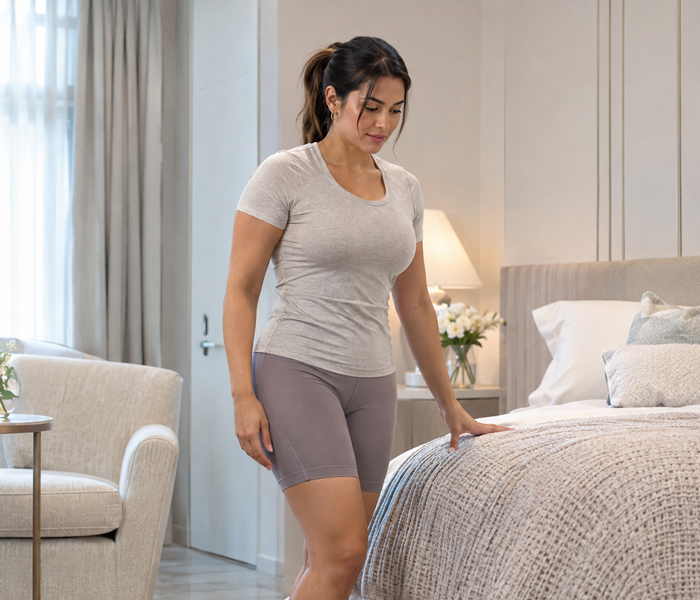
One of the most important aspects of recovery is to limit direct pressure on the surgical area. Sitting for long periods in the early stage can strain the incision line and the tissues around the prosthesis. Some patients are advised to lie on their stomach or side in the first few weeks, and to use special support when they need to sit. However, it is not correct to consider a specific number of days as valid for everyone.
The duration of sitting, whether a support pillow is needed, and the transition to lying on the back must be clarified with the surgeon. Instead of starting to sit for unlimited periods just because the pain has decreased, gradually increasing the allowed times is a safer approach. Learning about buttock aesthetics procedures also helps understand the difference between prostheses and other contouring methods.
When to Start Walking and Daily Movements?
Making short, slow walks at a time deemed appropriate by the doctor supports circulation and helps reduce the risk of clots due to immobility. This does not mean doing strenuous exercise from the first days. Sudden movements should be avoided when getting out of bed, and help should be sought if support is needed. The use of stairs, long journeys, and driving should also be evaluated according to pain control, medications, and mobility.
How to Manage Car Travel and Prolonged Sitting?
It may be necessary to travel by car for a follow-up appointment or due to mandatory transportation. In this case, the sitting posture and travel duration should be discussed with the surgical team in advance. For long journeys, a plan can be made to move at appropriate intervals, as immobility can negatively affect circulation. Do not drive while using pain relievers or sedatives. When creating a travel schedule, not only the number of days passed since the surgery, but also the condition of the wound and the person’s ability to move comfortably should be taken into account.
What to Pay Attention to Regarding Corset, Dressing, and Shower?
A corset may be recommended in some patients to control swelling; however, the same pressure or duration of use may not be suitable for every prosthetic technique. Therefore, the model and duration of corset use are determined individually. The incision area should be kept clean and dry, and dressings should only be changed as recommended. If a drain has been used, care instructions must be followed until it is removed.
Instead of specifying a definite day for showering, the condition of the wound and the surgeon’s permission should be the primary considerations. Staying in a bathtub, pool, sauna, or the sea for a long time before the incision is completely healed can increase the risk of infection. Do not apply random creams, antiseptics, or herbal products to the wound.
How Long Does Swelling and Hardness Take to Decrease?
It is normal for swelling to be prominent in the first few weeks. The appearance will then gradually change; the adaptation of tissues to the prosthesis and the settling of the contour may take several months. During this process, one side appearing slightly different from the other may only be related to swelling, but persistent or progressively increasing asymmetry should be evaluated. It is important not to judge the final result by looking at the mirror image in the early period.
Does Nutrition, Smoking, and Medication Use Affect Healing?
A balanced diet with adequate protein, fluid intake, and regular sleep supports tissue repair. Since nicotine use can negatively affect blood circulation and wound healing, smoking and other nicotine products should be avoided for the duration recommended by the surgeon. Prescribed medications should be taken as directed by the physician; do not make self-initiated changes in the use of pain relievers, supplements, or blood thinners. Especially those who take regular medication should inform the surgical team.
Which Symptoms May Indicate a Complication?
Increased redness, fever, foul-smelling discharge, incision line dehiscence, progressively worsening pain, and significant unilateral swelling should be reported to the surgical team without delay. In case of sudden shortness of breath, chest pain, or fainting, emergency medical help should be sought. A 2025 systematic review and meta-analysis published on prosthetic surgeries shows that problems such as wound dehiscence and seroma can vary depending on the surgical technique. Another systematic review reports that wound healing and fluid accumulation are among the complications to be monitored in implant applications.
How Should Return to Work and Sports Be Planned?
A person working at a desk job may need to sit for a long time; therefore, returning to work is not planned solely based on feeling well. The recovery period may be longer for jobs requiring physical exertion. For running, weightlifting, squatting, and workouts that intensely engage the gluteal muscles, the surgeon’s approval should be awaited. An academic publication discussing postoperative patient management emphasizes that the recovery protocol should be evaluated along with the surgical plan. Other related procedures are explained on the body aesthetics page.
Why Should Check-ups Not Be Missed?
During follow-up examinations, wound closure, the course of edema, the position of the prosthesis, and the return to daily activities are evaluated together. Planned appointments should be attended even if there are no complaints. It should also be remembered that in individuals with significant skin sagging, the prosthesis alone may not solve every problem; this distinction is discussed in the does buttock aesthetics correct sagging? content.
Frequently Asked Questions
How long should I avoid sitting after a buttock implant? The duration is not the same for everyone. Restrictions determined by the surgeon, based on the surgical technique, incision site, and healing status, must be followed.
Is it safe to lie on my side? Lying on the side may be recommended for some patients; however, the appropriate position varies depending on the prosthesis’s location and the wound area.
When does the swelling completely subside? Although a reduction is observed in the first few weeks, it may take several months for the contour to become distinct. Sudden or increasing swelling should be evaluated.
Does walking displace the prosthesis? Light walking, as permitted by the surgeon, is usually part of the recovery plan. Strenuous movements should be avoided.
What should I do to maintain the result? It is important not to miss check-ups, maintain weight balance, and gradually return to activities. Prostheses should not be considered devices that will remain problem-free for life.
First Consultation at Op. Dr. Şükrü İşler Aesthetic Clinic
At Op. Dr. Şükrü İşler Aesthetic Clinic, serving in Bursa, the first examination or consultation is free of charge. During this consultation, your expectations, current body structure, applicable methods, and your daily life plan after surgery can be evaluated. To share your questions and get appointment information, you can visit the contact page. This content is for general informational purposes only; it does not replace a personal examination and medical advice.