Scar Treatment – The Most Effective Methods to Reduce Scars
Stitch Scar Treatment – The Most Effective Methods to Reduce Scars
Stitch Scar Treatment – How Do Stitch Scars Heal? The Most Effective Methods
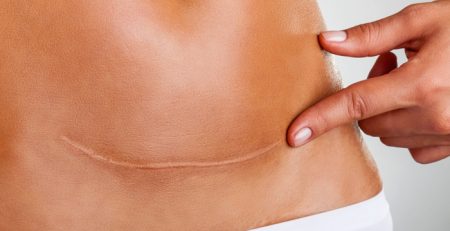
A stitch scar is a natural outcome of the skin’s self-repair process. This means that scar formation after a cut, surgery, trauma, or injury is not always an abnormal situation. What is truly important is how prominent this scar will remain over time. While in some individuals, stitch scars fade to be almost unnoticeable, in others, a red, raised, dark-colored, or wide scar tissue may develop. This difference depends on many factors such as the depth of the wound, suturing technique, skin type, genetic predisposition, whether an infection develops, and adherence to the care process.
The good news is that even if it’s not always possible to completely eliminate a stitch scar, it is often possible to significantly reduce its appearance. Especially in the early stages, proper care makes the biggest difference in scar treatment. After healing is complete, better results can be achieved with methods such as silicone-based products, laser applications, microneedling, and surgical scar revision when necessary. For a detailed approach, the Scar Treatment page can also be reviewed.
Why Do Stitch Scars Form and Why Don’t They Look the Same in Everyone?
When the skin is wounded, the body’s goal is to close the damaged area as quickly as possible and restore the barrier. During this repair, collagen production increases, and the newly formed tissue sometimes does not appear as smooth as the old skin. The scar may be more prominent, especially if there was tension in the wound, if an infection developed, if the wound frequently opened and closed, or if the healing process was difficult.
Furthermore, even in two people who underwent the same surgery, the surgical scar may look different. This is due to skin color, age, smoking, nutritional status, co-existing diseases, and genetic predisposition. In individuals prone to keloids, the scar can grow by spreading into the surrounding tissue. In hypertrophic scars, the scar remains within the boundaries of the wound but can be raised and reddish. Knowing this difference is important for choosing the correct treatment.
The Most Critical Period for Surgical Scars in the First Weeks
Fighting surgical scars often begins before the wound closes. In the first days, the goal is to keep the wound clean and avoid unnecessary pressure on the suture line. Dressings should be applied as recommended by your doctor, the wound should not be wet, scabs should not be picked, and the suture line should not be irritated by scratching. Small mistakes made during this period can increase the prominence of the scar that will remain in the future.
After the wound has completely closed, exposing the scar to the sun also increases the risk of discoloration. UV rays can darken the newly formed scar. Therefore, especially during the summer months or in sunny areas, protective recommendations must be strictly followed. This approach is one of the fundamental steps also emphasized in clinical guidelines. Especially after procedures involving incisions such as Tummy Tuck Surgery, Breast Lift, and Neck and Chin Lift Aesthetics, scar care becomes even more important.
How to Fade Surgical Scars? Proper Home Applications
To reduce the appearance of a scar, first and foremost, patience is required. Scar tissue matures over months; meaning that how a stitch mark looks in the first few weeks is often not its permanent state. However, if supportive care is not provided during this process, the scar may worsen unnecessarily.
- Keep the wound clean and dry: Dress it according to the doctor’s instructions, protect from infection.
- Do not pick scabs: Picking scabs re-injures the new tissue and can lead to the scar widening.
- Protect from the sun: New scars should not be exposed to direct sunlight for at least a few months.
- Consider silicone-based products: The use of silicone gel or silicone sheets, with a doctor’s recommendation, can be beneficial, especially for raised scars.
- Avoid tension: Movements that stretch the wound line can cause the scar to become wider.
- Do not neglect moisture support: If the doctor deems it appropriate, moisturizers and scar care products can be used.
These basic care steps significantly affect the quality of the outcome, especially for newly formed scars. The treatment approach presented on the Bursa Scar Treatment page is also based on this logic.
Which Products Work, and Which Are Not Really Necessary?
There are many creams, oils, gels, and serums on the market for surgical scars. However, not every product shows the same effect. One of the first that comes to mind is silicone-based scar products. Clinical studies and guidelines show that the use of silicone gel or silicone sheets is among the most supported methods for reducing the risk of hypertrophic scars and keloids. Therefore, if the physician deems it appropriate, silicone treatment can be one of the first options.
In contrast, not every popular product has strong scientific evidence. There are publications, particularly, stating that vitamin E does not provide a significant contribution to the cosmetic appearance of surgical scars. Therefore, instead of using products indiscriminately that are said to be “good for everyone,” it is necessary to choose the right product according to the type of scar. The best approach is to stick to the regimen recommended by your physician based on the condition of the wound.
Treatment Options to Consider at the Clinic
When home care alone is not sufficient, professional treatments come into play. If the surgical scar is raised, red, firm, itchy, painful, or progressively growing, options such as laser, injection, or surgical revision can be considered.
Laser treatments: Methods such as pulsed dye laser can be used, especially for red and active scars. Fractional lasers, on the other hand, can help renew skin tissue and support collagen regulation. When appropriate patient selection is made, they can be effective in reducing the appearance of scars.
Microneedling: It is a method that triggers regeneration by creating controlled micro-channels in the skin. It can be preferred especially for superficial and irregular scars.
Intralesional injections: For raised and firm scars, certain injections administered by a doctor can soften and flatten the scar tissue.
Scar revision surgery: If the scar is too wide, extends in the wrong direction, or an old suture line is aesthetically bothersome, it can be surgically revised. However, since this method requires a new incision, scar care will be needed again afterwards.
Pressure and special care protocols: For some localized scars, pressure applications and long-term care can be important. Especially after body contouring surgeries, scar control is part of the success of the operation. For example, information on how incision sites fade over time can be found on the Arm Lift and Eyelid Surgery pages.
Which Suture Scars Heal More Easily?
Thin, superficial, uninfected, and well-cared-for scars in the first few months generally heal more easily. Incisions placed on the face, eyelid, behind the ear, and along natural crease lines may become less noticeable. In contrast, scars on the front of the chest, shoulder, upper back, and around some joints may remain more prominent due to increased tension.
Therefore, surgical planning is at least as important as care. Making the incision in the right place, carefully closing the suture line, and regular follow-up afterwards are fundamental parts of a good aesthetic outcome.
Most Common Mistakes for Suture Scars
One of the most common reasons for scar worsening is mistakes made in the early period. Picking scabs, scratching the area, irritating the scar with harsh peelings, neglecting sun protection, and using random products without a doctor’s recommendation are among the main culprits. Another mistake is evaluating the result too early. Many patients panic about a scar a few weeks after the wound closes; however, scar maturation takes a long time.
Smoking can also negatively affect healing. Wound quality may decrease due to reduced tissue oxygenation. Therefore, staying away from smoking in the pre- and post-operative period is also important for scar outcome.
When Should You Consult a Doctor?
You should consult a doctor if there is increasing redness, warmth, discharge, bad odor, pain, fever, opening of the stitches, or rapid swelling of the scar. Additionally, if the scar is itchy, hard, growing, and appears different from the surrounding tissue, it could indicate hypertrophic scar or keloid development. In this case, early intervention can ensure a much better outcome.
Regular follow-up for scar control after aesthetic operations is very valuable. When to use which product, when to start laser treatment, and whether additional treatment is needed, if necessary, will be clarified during an examination. To schedule an appointment, the Online Appointment page can be used.
Frequently Asked Questions
Does a stitch scar completely disappear?
It is not possible for every stitch scar to completely disappear; however, most scars noticeably fade, thin, and become less noticeable over time.
How many months does it take for a surgical scar to become barely noticeable?
This period varies from person to person. The first few months are when the fastest change is observed; scar maturation usually takes months.
Does silicone gel really work?
Yes, especially for raised scars and newly formed scars, silicone-based products are among the most recommended options.
What should be applied to a surgical scar?
What should be applied depends on whether the wound is closed or not. An open wound and a closed scar are evaluated differently. Products should not be used randomly without a doctor’s recommendation.
Does sun exposure worsen surgical scars?
Yes. New scars can darken when exposed to the sun and may remain visible for a longer time.
Does Vitamin E cream heal surgical scars?
A strong benefit has not been demonstrated in this regard. Some studies report that it does not provide a significant advantage in terms of cosmetic outcome.
Can laser be applied to every surgical scar?
No. Laser selection varies according to the scar type, age, color, and location.
What is the best method for surgical scars?
There is no single “best” method. The best result is achieved by combining proper wound care with silicone, laser, and other professional treatments when necessary.
There is no single answer to the question of how to heal a surgical scar, because every wound and every skin is different. Nevertheless, the common truth is this: with early and proper care, well-planned surgical techniques, and expert-supported treatments when necessary, surgical scars can be significantly reduced. Especially in the first few weeks, wound protection, followed by silicone-based products, sun protection, and timely laser or other clinical applications, can be effective in improving its appearance.
It is important to have a detailed evaluation for the most suitable approach to your scar type. To get more comprehensive information on this topic, you can review the Scar Treatment page, and contact us for expert opinion if needed.
References
Updated scar management practical guidelines: non-invasive and invasive measures
Evidence-Based Scar Management: How to Improve Results with Scar Treatment
Laser therapy for treating hypertrophic and keloid scars
A systematic review of the management of postoperative abnormal scar formation