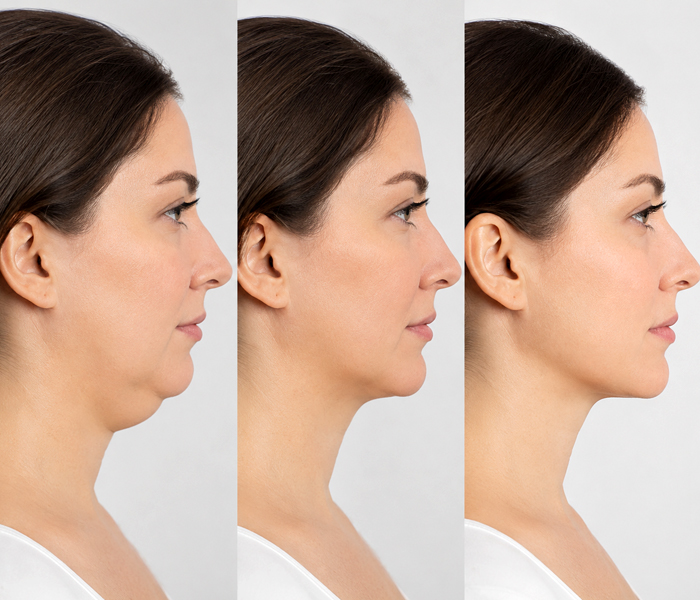
Does a Double Chin Form Again After Submental Aesthetics?
Does a Double Chin Reappear After Submental Aesthetics?
One of the most frequently asked questions by individuals considering submental aesthetics or who have undergone a procedure in the double chin area is whether the achieved result is permanent. Questions such as “Does a double chin reappear after submental aesthetics?”, “Does the removed fat come back?”, and “If I gain weight, will my submental area grow again?” are frequently raised during pre-procedure consultations.
There isn’t a single-word answer to these questions. This is because the appearance of a double chin is not solely dependent on the amount of fat under the jaw. An individual’s weight, genetic characteristics, skin elasticity, jaw structure, neck muscles, aging process, and the type of aesthetic method applied also directly affect the outcome.
During submental liposuction, the fat cells removed are permanently eliminated from the treated area. However, the remaining fat cells in the area can grow due to weight gain. Furthermore, over the years, the skin can sag, neck muscles can become more prominent, and the jaw-neck angle can change again. Therefore, while the results of submental aesthetics can be maintained for a long time, no aesthetic procedure can completely halt the natural aging process.
The first examination or consultation conducted at Op. Dr. Şükrü İşler Aesthetic Clinic is free. During the free initial assessment, it is analyzed whether the appearance of your double chin is caused by fat accumulation, skin sagging, muscle laxity, or jaw structure. This allows for a personalized plan to be prepared, aimed not only at correcting the current appearance but also at creating a long-term and natural result.
Why Does a Double Chin Form?
A double chin is a common term used to describe a full or sagging appearance that forms between the chin and the upper part of the neck. Medically, this area is called the submental region. The appearance of the submental region plays a significant role in the perception of the lower face and profile.
The most common cause of double chin formation is localized fat accumulation. However, a noticeable double chin can also be observed in individuals who are thin and have a normal weight. This can be due to genetic predisposition, a short or recessed chin, low skin elasticity, the structure of the neck muscles, or the anatomical transition between the face and neck.
The main factors that can affect the appearance of a double chin are:
- Genetic predisposition to store fat under the chin
- Gaining weight or experiencing frequent weight fluctuations
- Decreased skin elasticity with age
- A recessed or small chin
- Laxity or banding in the neck muscles
- Downward displacement of subcutaneous tissues due to gravity
- Intense sun exposure and skin aging
- Smoking and lifestyle habits that accelerate collagen loss
Each of these factors may require a different treatment approach. While liposuction alone might be sufficient for a person with excess fat tissue, fat removal alone may not provide the desired result for a person with advanced skin laxity.
What Procedures Does Chin (Wattle) Aesthetics Cover?
Chin (Wattle) aesthetics is not the name of a single procedure. Different surgical or non-surgical methods can be planned depending on the type of problem in the submental and neck area. To determine the appropriate method, fat tissue, skin quality, jaw structure, and neck muscles must be evaluated together.
One of the most frequently applied methods is submental liposuction. In this method, localized fat tissue under the chin is reduced with the help of thin cannulas. A more defined jaw-neck transition can be achieved in individuals with sufficient skin elasticity whose primary problem is fat accumulation.
If fat accumulation is accompanied by significant skin laxity, neck aesthetics options are considered. Surgical tightening procedures may be required when there is laxity in the neck muscles, excess skin, or advanced sagging.
If there is both fat accumulation under the chin and age-related laxity in the neck area, neck and chin (wattle) lift aesthetics can offer a more comprehensive solution. In some patients, complementary procedures such as jawline filler may be considered to support the chin tip and jawline.
Do Fat Cells Removed After Submental Liposuction Return?
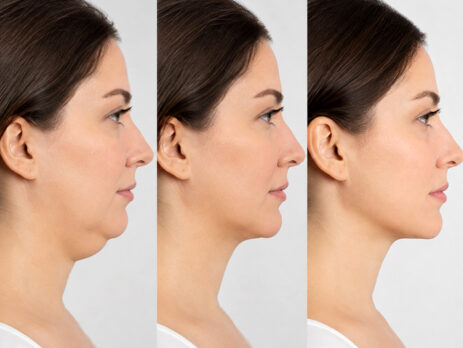
Fat cells physically removed during chin liposuction do not regenerate in the same way. Therefore, the procedure can permanently reduce the number of fat cells under the chin in suitable candidates. This is the main reason why liposuction procedures provide long-lasting results.
However, this statement does not mean “there will never be fat under the chin again after the procedure.” The goal during liposuction is not to remove all fat tissue in the area. A healthy and smooth transition between the skin and the underlying anatomical structures must be maintained. Fat cells left in the area can increase in volume if the person gains excessive weight.
Therefore, if a significant amount of weight is gained after chin aesthetic surgery, the area under the chin may become plump again. The new appearance may not be entirely the same as the pre-procedure state; however, the definition of the jawline may decrease, and the person may think that a double chin has reappeared.
Liposuction is not a weight-loss method, but a regional contouring procedure. The best and longest-lasting results are seen in individuals who are close to their ideal weight and maintain their weight after the procedure.
Why Can a Double Chin Reappear After Chin Aesthetic Surgery?
The growth of fat cells is not the only reason for the reappearance of definition under the chin after chin aesthetic surgery. In some individuals, even if the amount of fat does not increase, skin laxity or age-related anatomical changes can create a double chin-like appearance.
1. Significant Weight Gain
If body weight significantly increases after the procedure, fat cells located in different parts of the body grow. Fat cells remaining under the chin can also be affected by this change. Especially in individuals who are genetically predisposed to gaining weight in the face and neck area, the double chin appearance may become prominent again.
Small changes of a few kilograms do not produce the same result in everyone. The risk varies depending on the amount of weight gained, the person’s fat distribution, age, and skin structure. Large and rapid weight gains can further reduce the visibility of the result.
2. Frequent Weight Fluctuations
Continuous weight gain and loss can affect not only the amount of fat but also the structure of the skin. Skin that expands during weight gain may not always fully recover after weight loss. This situation can lead to looseness under the chin, especially in individuals with low skin elasticity.
Even if the amount of fat has decreased after submental (chin) liposuction, loosened skin can sag downwards, giving the appearance of a double chin again. To preserve the result, a stable and healthy body weight is more valuable than short-term and restrictive diets.
3. Natural Aging Process
Submental aesthetics do not stop aging. Over time, collagen and elastin production decreases, the supportive tissues of the face weaken, and the skin moves downwards due to the effect of gravity. Thinning and loosening of the neck skin can change the jawline-neck contour years later, even in individuals who have previously undergone successful submental aesthetic procedures.
This change does not mean that the procedure was unsuccessful. The aesthetic procedure improves the person’s starting point; however, it does not completely prevent aging as if the person had not undergone the procedure. In most cases, the patient maintains a better jaw and neck line compared to the appearance they would have had if they had not undergone the aesthetic procedure.
4. Choosing the Wrong Procedure Initially
Not every double chin appearance is caused by aging. If the underlying problem is excess skin or laxity of the neck muscles, applying only liposuction may be insufficient. In the initial period, when swelling subsides, the result may look good; however, over time, the existing skin laxity may become more prominent.
This situation may not be a true recurrence of aging. Although the patient might think a double chin has reappeared under their jaw, the actual problem could be excess skin, muscle bands, or inadequate jaw support. Therefore, establishing the correct anatomical diagnosis during the free initial examination is extremely important.
5. Insufficient Skin Elasticity
After liposuction, the skin is expected to adapt to the reduced volume and settle over the new contour. Young, elastic, and high-quality skin generally provides better adaptation. However, in skin with low elasticity, looseness may remain even if fat is reduced.
Advanced age, intense sun damage, smoking, genetic factors, and significant past weight loss can reduce skin elasticity. In such individuals, liposuction may be planned not alone, but in conjunction with different procedures that tighten skin and neck tissues.
6. Inadequate Jaw Structure Support
A small or recessed chin tip can make the submental (under-chin) area appear fuller than it is. In these individuals, even if the fat amount is normal, the angle between the face and neck may not be sufficiently defined.
Although reducing fat alone can benefit some patients, evaluating the chin tip or jawline may also be necessary for ideal profile balance. In suitable patients, jawline filler or different chin shaping methods can complement double chin aesthetics.
7. Failure to Follow Post-Operative Recommendations
Early post-operative care following double chin aesthetics is crucial for proper tissue healing. Not wearing the compression garment for the duration recommended by the doctor, missing follow-up appointments, applying pressure to the area too early, or rapidly returning to strenuous exercise can negatively affect the healing process.
Smoking is also an important factor that can affect the blood supply and healing of tissues. Adhering to the surgeon’s recommendations in the pre- and post-operative periods helps reduce the risk of complications and achieve a more regular contour.
Does Swelling Immediately After the Procedure Mean the Double Chin Has Reappeared?
No. Early swelling observed after double chin aesthetics does not mean that the fat has returned. Edema formation in tissues after liposuction and other surgical procedures is a normal part of the healing process.
In the first few days, the area under the chin may appear fuller, firmer, or more asymmetrical than before the procedure. It takes time for the swelling to subside, the skin to adapt to the new contour, and the tissues to soften. While the initial change may be noticeable within a few weeks for some individuals, the final result may take longer to evaluate.
In the early period, frequently looking in the mirror, comparing photos under different lighting, or interpreting every swelling as fat gain can cause unnecessary anxiety. Results should be evaluated according to the follow-up schedule specified by the surgeon.
How Permanent is the Result of Double Chin Aesthetics?
The result is long-lasting due to the permanent reduction of fat cells removed by double chin liposuction. In individuals who maintain their weight, have good skin quality, and do not experience significant aging changes, the slimming under the chin can persist for many years.
In procedures like neck and double chin lift, excess skin can be removed, loose tissues tightened, and the neck contour reshaped. The effects of these procedures can also last for many years. However, gravity, skin aging, and genetic factors can lead to new changes over time.
The duration of permanence is not the same for everyone. Age at the time of the procedure, initial level of deformation, skin quality, weight changes, smoking, and sun exposure affect the long-term appearance.
What Happens If You Gain Weight After Chin Aesthetics?
If the weight gain is small, the change under the chin may be limited. However, when a significant amount of weight is gained, the remaining fat cells can grow, and the lower part of the face may become plump again. Fat accumulation is not limited to the submental area; the cheeks, neck area, and lower face can also change.
The appearance of a double chin formed after weight gain may not be exactly the same as the anatomical condition before the procedure, because the number of fat cells has been reduced. Nevertheless, increased cell volume and skin tension can make the aesthetic improvement less visible.
Pregnancy, hormonal changes, certain medications, and major lifestyle changes can also lead to weight fluctuations. Therefore, individuals planning significant weight changes in the near future are advised to discuss the timing of the procedure with their doctors.
Does a Re-formed Double Chin Disappear When Weight is Lost?
If fat accumulation has reappeared under the chin due to weight gain, healthy weight loss can reduce the volume in the area. However, if the skin loosened during weight gain, the skin may not fully recover after weight loss.
Therefore, it should be determined by examination whether the reappearing appearance is due only to fat or a combination of fat and skin laxity. The same solution is not recommended for individuals with only excess fat and those with significant skin sagging.
What Can Be Done to Maintain the Result After Chin Aesthetics?
One of the most important factors in maintaining the result is keeping body weight as balanced as possible. Instead of very restrictive, short-term diets, sustainable eating habits should be preferred.
- After the procedure, use the corset recommended by the doctor for the specified period.
- Do not miss your follow-up appointments.
- Avoid heavy exercise and activities with a risk of impact in the first few weeks.
- Try to keep your weight balanced.
- Consume enough water and eat a balanced diet.
- Avoid smoking.
- Protect the neck area from intense sun exposure.
- For skin care, choose the products and applications recommended by your doctor.
- Avoid rapid and significant weight changes.
- In case of unexpected swelling, pain, or asymmetry, consult your doctor.
Exercise can help control overall body weight; however, there is no specific exercise that targets only the fat under the chin. Since localized fat accumulation is also influenced by genetic and anatomical factors, the appearance of a double chin may persist despite healthy lifestyle habits.
Can a Second Procedure Be Performed if a Double Chin Reappears?
If fullness or sagging reappears in a person who has previously undergone double chin aesthetics, a second procedure may be possible in some cases. However, changes in tissues after the first procedure, skin quality, and the existing anatomical problem must be evaluated in detail.
If the recurring problem is only limited fat accumulation, a minor corrective procedure may be considered. If there is significant skin laxity, a neck lift or a more comprehensive face and neck rejuvenation approach may be required. If the jawline is weak, strengthening jaw support may be planned instead of or in addition to fat reduction.
Whether a second procedure is necessary should not be decided based solely on photographs. Manual evaluation of the tissues, details of the previous operation, and the person’s expectations should be considered together.
Why is the Difference Between Chin Liposuction and Neck Lift Important?
Chin liposuction primarily aims to reduce superficial fat tissue under the chin. Neck lift, on the other hand, targets excess skin, loosened neck muscles, and aging changes in the neck contour.
In younger individuals with good skin elasticity and localized fat deposits, liposuction may be sufficient. However, in older individuals with significant sagging or those who have experienced major weight loss, removing only fat can lead to the neck skin appearing looser.
This distinction is critically important in preventing the complaint of “my double chin reappeared” after chin aesthetics. When the initial procedure is chosen correctly, the result is expected to be more balanced, natural, and long-lasting.
Who is the Most Suitable Candidate for Chin Aesthetics?
A suitable candidate for chin aesthetics is someone in good general health, with realistic expectations, and who is bothered by the appearance under their chin. However, which procedure is appropriate varies for each patient.
Ideal candidates for chin liposuction generally have localized fat deposits, sufficient skin elasticity, and a relatively stable body weight. Neck lift procedures, on the other hand, can be considered for individuals with significant skin sagging, muscle laxity, or advanced signs of aging.
Uncontrolled chronic diseases, health problems affecting healing, heavy smoking, or unrealistic expectations can alter surgical planning. Medications used, past surgeries, and medical history should be shared in detail during the free initial consultation.
What is Evaluated During the Free Initial Consultation?
At Op. Dr. Şükrü İşler Aesthetic Clinic, the first examination or consultation is conducted free of charge. During this consultation, the jowl area is evaluated not only from the front, but also from the side and in different head positions.
During the examination, the amount of fat under the chin, the superficial or deep placement of the fat, skin elasticity, the position of the chin tip, the jawline, neck muscles, and face-to-neck proportions are examined. The person’s weight history, smoking habits, regular medications, and previous aesthetic procedures are also taken into consideration.
As a result of this analysis, it can be determined whether submental liposuction, neck lift, neck and double chin lift, or a complementary chin shaping procedure is necessary. The goal is not to apply the same procedure to everyone, but to choose the most balanced approach suitable for the individual’s anatomy.
Why Op. Dr. Şükrü İşler Aesthetic Clinic?
Although the double chin area appears small, it significantly affects the overall facial expression and profile proportions. Excessive fat removal, insufficient fat removal, or neglecting skin quality in this area can create an irregular contour.
At Op. Dr. Şükrü İşler Aesthetic Clinic, planning is not based solely on the amount of fat under the chin. The lower face, jawline, neck angle, skin structure, and the individual’s natural facial characteristics are evaluated together. The goal is to create a harmonious, balanced, and long-lasting result that is compatible with the face, rather than an artificial or overly sharp appearance.
If you are considering double chin aesthetics or notice renewed fullness under your chin after a previous procedure, you can benefit from a free initial examination. As a result of the examination, the relationship of the appearance to aging, edema, skin laxity, muscle structure, or jaw anatomy will be determined, and personalized options will be explained to you.
Frequently Asked Questions About Double Chin Recurrence After Double Chin Aesthetics
Is chin aesthetics completely permanent?
Fat cells removed by chin liposuction are permanently eliminated. However, remaining fat cells can grow with weight gain; furthermore, aging and skin laxity can change the appearance of the submental area over time. Therefore, although the result is long-lasting, it does not completely stop natural aging.
Do fat cells proliferate again after chin liposuction?
Fat cells removed by liposuction in adulthood are not expected to return in the same way. However, remaining cells in the area can expand with significant weight gain. In cases of very large weight gain, biological changes in adipose tissue can become more complex.
How much weight gain causes the double chin to reappear?
There isn’t a specific weight limit that applies to everyone. Some individuals are affected in the face and chin area when they gain a few kilograms, while in others, fat accumulation is more noticeable in the abdomen, hips, or legs. Genetic fat distribution is a determining factor in this regard.
Does the hardness that occurs after the procedure indicate that the chin fat has returned?
No. Hardness, swelling, and irregularities seen in the early period may be related to edema or tissue reaction during the healing process. However, hardness that lasts longer than expected or progressively increases should be evaluated by a doctor.
Does exercising after chin aesthetics preserve the results?
Regular exercise helps with weight control and maintaining overall health. However, there is no specific exercise that only melts fat in the chin area. Exercise, along with a balanced diet, can help preserve the results for a long time.
Should one diet after chin aesthetics?
There is no need to follow a special and excessively restrictive diet. A balanced diet, adequate protein, and fluid intake can support the healing process. It is more appropriate for individuals who want to lose weight to follow a sustainable program instead of rapid crash diets.
Does skin sag after submental liposuction?
In suitable candidates with good skin elasticity, the skin can adapt to the new contour. However, sagging may become more noticeable in individuals with low elasticity, advanced age, or excess skin. Therefore, skin quality must be properly assessed before the procedure.
Can liposuction be performed again if the double chin reappears?
A second liposuction or revision procedure can be performed in suitable patients. However, the procedure should not be chosen before determining whether the re-emerging appearance is due to fat, excess skin, or muscle laxity.
Does sagging reoccur after a neck lift?
Neck lift results can last for many years. However, as the aging process continues, new laxity may develop over the years. Weight fluctuations, smoking, and sun damage can accelerate this process.
Does jawline filler prevent the double chin from reappearing?
Jawline filler does not prevent the growth of fat cells. In suitable individuals, it can support the jawline, making the face-neck transition more defined. If the primary cause of the double chin is excess fat or skin sagging, filler alone may not be sufficient.
How long should a compression garment be used after double chin aesthetics?
The duration of compression garment use varies according to the procedure performed and the doctor’s plan. Instead of shortening or extending the usage period by personal decision, the patient should adhere to the program provided by the surgeon.
When is the final result of double chin aesthetics visible?
Initial changes may start to be noticeable as swelling decreases. However, it may take longer for tissues to fully soften and for the skin to adapt to the new contour. For the final assessment, the recovery period specified by the doctor should be awaited.
How to get a free initial consultation?
You can request a free initial examination or consultation by contacting Op. Dr. Şükrü İşler Aesthetic Clinic. In this assessment, the cause of submental fat accumulation, applicable procedures, recovery process, and personal factors affecting the permanence of the result are discussed in detail.
Result: Can a Double Chin Reappear After Double Chin Aesthetics?
Fat cells removed after double chin aesthetics do not return; however, if there is significant weight gain, the remaining fat cells in the area may enlarge. Additionally, aging, decreased skin elasticity, loosening of neck muscles, and jaw structure can cause the double chin appearance to become prominent again over time.
For the long-term preservation of the result, it is important to apply the correct procedure to the right patient, maintain a stable weight, adopt healthy lifestyle habits, and adhere to post-operative recommendations. The same method should not be applied to individuals with only fat accumulation and those with skin and muscle laxity.
Thanks to the free initial examination or consultation performed at Op. Dr. Şükrü İşler Aesthetic Clinic, the true cause of the double chin appearance can be determined, and a personalized treatment plan can be prepared. This way, the goal is not just a temporary slimming, but a natural and long-lasting jawline-neck contour that is harmonious with facial proportions.
Scientific Sources
National Library of Medicine – Complications Associated with Submental Liposuction
National Library of Medicine – A Journey Through Liposuction and Liposculture: Review
PubMed – Liposuction and Long-Term Changes in Body Fat Distribution
NCBI Bookshelf – Anatomy of the Head and Neck Submental Triangle
This content has been prepared for general informational purposes. For diagnosis, procedure selection, and treatment planning, you need to be examined by a plastic, reconstructive, and aesthetic surgery specialist.