Does a Tummy Tuck Slim the Waist?
Does Tummy Tuck Slim the Waist?
Short answer: Yes, in suitable patients, the waist may appear slimmer and more defined after a tummy tuck surgery. However, a tummy tuck is not directly a ‘waist slimming surgery’ and does not provide the same amount of slimming in every patient. The change in the waistline depends on the excess skin in the abdominal area, the distribution of subcutaneous fat tissue, laxity in the abdominal wall, separation between the rectus muscles, the individual’s bone structure, and whether liposuction is applied in conjunction with the tummy tuck.
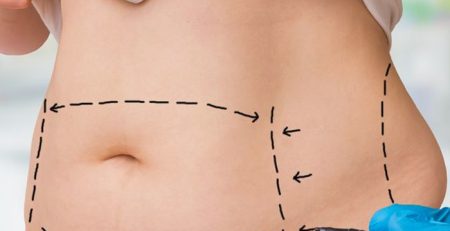
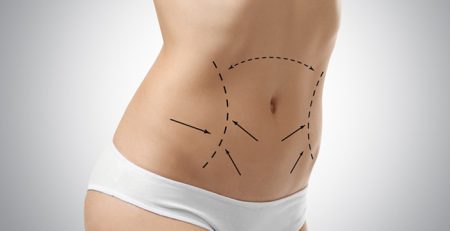
Tummy tuck, medically known as abdominoplasty, is primarily a surgical procedure aimed at removing excess and sagging skin in the abdominal area, tightening laxity in the abdominal wall when necessary, and creating a smoother abdominal contour. After the operation, while the abdomen becomes flatter, the body’s abdomen-waist transition may also appear more defined.
Especially in individuals who have developed laxity in the anterior abdominal wall after pregnancies, significant weight changes, or aging, merely removing excess skin can significantly alter the body’s silhouette. Bringing the abdominal muscles closer to the midline and, in suitable patients, adding liposuction to the waist, side abdomen, or flank regions can further contribute to a more defined waistline.
At Op. Dr. Şükrü İşler Aesthetic Clinic, the initial examination or first consultation is free of charge. The extent to which your waistline may change after a tummy tuck, whether liposuction is necessary, and which of the mini or full tummy tuck options is suitable for your anatomical structure can be discussed during a personal evaluation.
How Can a Tummy Tuck Make the Waist Appear Slimmer?
There isn’t just one reason why a tummy tuck operation can change the appearance of the waist. Correcting different anatomical issues during surgery can collectively create changes in the front and side appearance of the body.
Excess skin in the abdominal area, especially in the lower abdomen, can create folds and a protruding appearance. By removing this excess tissue, the front surface of the abdomen becomes flatter. When the abdomen is flattened, the transition between the waist and hips can be perceived as visually more defined.
For some patients, the issue is not just skin. After pregnancy or significant weight changes, laxity can be observed in the connective tissues of the anterior abdominal wall and along the midline of the rectus muscles. In suitable patients, surgical tightening of this area during a tummy tuck can contribute to reducing the forward bulging appearance of the abdominal wall.
Additionally, if there is localized fat accumulation in the waist and flank areas, a tummy tuck alone may not create the desired side contour. In such cases, tummy tuck and liposuction can be evaluated together to create a more comprehensive body contouring plan.
How Much Can a Tummy Tuck Slim the Waist?
In a tummy tuck surgery, there is no standard waist reduction amount like “3 cm”, “5 cm”, or “10 cm” that applies to everyone. Fixed centimeter promises encountered online do not accurately reflect individual results.
Changes around the waist;
- Excess skin before surgery,
- Amount of fat in the abdominal area,
- Fat accumulation in the waist and flanks,
- Degree of laxity of the abdominal wall,
- Presence or absence of rectus diastasis,
- Application of liposuction,
- Individual’s rib cage and pelvis structure,
- Amount of post-operative edema,
- Weight changes
may vary depending on.
Scientific studies also show that results vary according to the method applied. A study published in 2026, evaluating 160 postpartum women, reported that the average waist circumference in the group where abdominoplasty was combined with circumferential liposuction decreased from 90.9 cm to 80.4 cm. This result indicates that combined body contouring can be effective on waist contour; however, the average values in the study do not mean that the same result will be achieved in every patient. You can access the study via PubMed.
Therefore, it is more appropriate for someone considering abdominoplasty to seek an answer to the question “What is the fundamental anatomical problem causing my waist appearance?” before asking “How many centimeters will I slim down?”
Does Abdominal Muscle Repair Change Waist Appearance?
During pregnancy, the growing uterus creates significant tension in the anterior abdominal wall. In some individuals, the gap in the midline of the abdominal muscles may not fully return to its original state after pregnancy. This condition is called rectus diastasis or diastasis recti.
Even individuals with rectus diastasis who are at a normal weight may complain about their abdominal area protruding forward. While exercise can help improve muscle function in some individuals, the assessment of significant anatomical separation is different.
During a tummy tuck, it is possible to restore the abdominal wall in suitable patients through plication of the rectus sheath. A systematic review published in PubMed evaluated a total of 497 patients from seven studies examining the effects of rectus diastasis repair performed during abdominoplasty on abdominal function. For details of the scientific study, the systematic review on rectus diastasis repair can be examined.
In another long-term study, the long-term durability of rectus sheath plication performed during abdominoplasty was evaluated in patients followed with ultrasound, and it was reported that the corrected diastasis was maintained in the monitored group. Source: Rectus Sheath Plication in Abdominoplasty.
However, this does not mean that muscle repair is necessary for every tummy tuck patient. For an individual without abdominal wall separation or significant laxity, the surgical plan may differ.
Can Muscle Plication Really Narrow the Waist?
Muscle and fascia shaping techniques used in tummy tuck surgery have been evaluated in the scientific literature for years. How the rectus sheath and the fascial system in the abdominal wall are restored is one of the factors that can affect the postoperative waist contour.
In a study published in Plastic and Reconstructive Surgery, different plication techniques were compared, and changes in the anterior abdominal contour and waistline were evaluated. The research emphasized that abdominal wall contouring should aim to preserve the natural abdominal and waist transition rather than merely creating a flat abdomen. You can access the academic source via PubMed.
In another mini-abdominoplasty study, an improvement in waist circumference contour was reported after fascial plication. Details of the research can be examined in the study Triple Plication in Miniabdominoplasty.
However, the extent and direction of surgical plication should be determined according to the patient’s anatomy. It should not be assumed that more tightening always means better results. The goal is to support the abdominal wall while preserving natural body proportions and creating a balanced contour.
Does the Waist Become Thinner if Tummy Tuck and Liposuction are Performed Together?
Tummy tuck and liposuction are two procedures targeting different problems.
Tummy tuck; focuses on excess skin, laxity in the abdominal wall, and in certain cases, muscle separation, while liposuction; aims to shape the body contour by reducing localized fat deposits under the skin.
Therefore, in a patient with fat deposits on the sides of the waist, in the lower back, or in the flank area, performing only a tummy tuck can significantly flatten the anterior abdomen but may not provide the expected change in the lateral waist contour.
In suitable patients, the approach where abdominoplasty and liposuction are planned together can be called “lipoabdominoplasty”. In this approach, while the excess skin on the front of the abdomen is corrected, the fat distribution in the surrounding areas can also be shaped taking body proportions into account.
The surgical principles of lipoabdominoplasty have been studied in academic literature for a long time. The study titled Lipoabdominoplasty: The Saldanha Technique explains one of the fundamental surgical approaches for the combined use of abdominoplasty and liposuction.
If fat accumulation in the waist or abdominal area is prominent, Vaser liposuction options can also be considered as part of a personal evaluation.
Is Abdominoplasty or Liposuction More Effective for Waist Slimming?
The answer to this question depends on why a person’s waist appears thick.
If skin elasticity is sufficient, there is no significant skin sagging, and the main problem is subcutaneous fat accumulation in the waist and flank areas, liposuction may be a more suitable body contouring method.
Conversely, if there is significant excess skin, folding, laxity, or separation in the abdominal wall in the lower abdomen, liposuction alone may not be sufficient. Even if fat tissue is reduced, existing excess skin may persist.
For patients with both excess skin, muscle laxity, and localized fat accumulation around the waist, a combined evaluation of abdominoplasty and liposuction may provide a more comprehensive approach.
You can examine a detailed comparison of these two methods in our content Abdominoplasty or Liposuction? Which One is Right for You?
Can an Hourglass Figure be Created with a Tummy Tuck?
When an “hourglass figure” is mentioned, it generally refers to a body proportion where the waist circumference is narrower compared to the chest and hip areas. After a tummy tuck, the waistline may become more defined; however, creating an hourglass figure in every patient is not anatomically possible.
Body shape is not solely determined by the amount of fat or skin. Rib cage width, pelvic structure, hip width, torso length, muscle structure, and fat distribution also determine a person’s natural silhouette.
The aim of surgery is not to copy another person’s body structure, but to shape the patient’s existing anatomy as balanced and natural as possible.
Therefore, instead of aiming for a very narrow waist, evaluating the proportions between the abdomen, waist, back, and hips together provides a more realistic approach.
Can a Postpartum Tummy Tuck Slim the Waist?
Postpartum changes in the abdominal and waist area may not only be due to weight gain. During pregnancy, the skin stretches, the abdominal wall is strained, and in some individuals, separation occurs in the midline of the rectus muscles.
Despite weight loss after childbirth, it is possible for the lower abdominal skin to remain saggy, for laxity to occur around the navel, or for the abdominal area to continuously protrude forward.
In such cases, tummy tuck surgery can be considered for the removal of excess skin and, in necessary cases, for tightening the abdominal wall.
If there are also localized fat deposits remaining on the sides of the waist, planning liposuction along with a tummy tuck can allow for the front and side contours of the body to be addressed together.
However, for individuals planning a new pregnancy in the near future, it is important to discuss the timing of the surgery in detail with the surgeon. A new pregnancy can stretch the abdominal skin and abdominal wall again, altering the obtained result.
Can Tummy Tuck Slim the Waist After Weight Loss?
In individuals who have lost a significant amount of weight, even if fat tissue decreases, the stretched skin may not always fully recover. Skin folds can form, especially around the lower abdomen and waist.
In this situation, even if the weight on the scale is low, the person’s body contour may appear wider than it is. Surgical removal of excess skin can alter the overall silhouette of the abdomen and waist area.
However, a tummy tuck is not a weight-loss surgery. The primary goal of the operation is not to reduce the number on the scale, but to shape the body contour by correcting excess tissue and deformities in the abdominal wall.
Therefore, a tummy tuck is generally considered for individuals who have approached their target weight and can maintain their weight as consistently as possible.
Does Tummy Tuck Reduce Visceral Fat?
No. This distinction is particularly important regarding waist slimming.
Fat tissue in the abdominal area can primarily be considered in two different regions: subcutaneous fat located under the skin and visceral fat located around the organs in the abdominal cavity.
Liposuction is applied to appropriate subcutaneous fat tissue. Visceral fat, located inside the abdominal cavity around the organs, is not removed with liposuction.
Therefore, for an individual whose significant portion of waist circumference is due to visceral fat, there are limits to the circumferential slimming that a tummy tuck or liposuction can provide.
Reducing the amount of visceral fat is primarily associated with weight management, regular physical activity, dietary regimen, and, if necessary, evaluation by relevant medical specialties.
Does Bone Structure Limit Waist Slimming?
Yes. Aesthetic surgery can create changes in the skin, subcutaneous tissues, and in appropriate cases, the abdominal wall; however, the width of a person’s rib cage and pelvis does not change.
In individuals with naturally wide rib cages or a narrower pelvic structure, the waist-hip transition may be less pronounced compared to another person.
Therefore, before surgery, it is important to evaluate not only the centimeter measurement of the waist circumference but also the proportions of the entire torso. A result planned within the limits allowed by the natural bone structure is more realistic and balanced.
Can a Mini Tummy Tuck Slim the Waist?
Mini tummy tuck is generally considered for a more limited group of patients where the deformation is concentrated below the navel. Compared to a full tummy tuck, the amount of skin removed and the procedure performed on the abdominal wall may be more limited.
Therefore, the effect of a mini tummy tuck on the waistline also varies depending on the individual’s existing problem.
In patients with limited excess skin in the lower abdomen and no significant laxity in the upper abdominal region, a mini tummy tuck may suffice. However, if there is widespread skin sagging or more extensive laxity in the abdominal wall, a full tummy tuck may yield different results.
Choosing between a mini or full tummy tuck based solely on the desire for a smaller incision is not correct. The procedure should be selected according to the anatomical location of the deformation. For detailed information on tummy tuck techniques, you can review our Abdominal Aesthetics page.
When Does the Waist Start to Look Slim After a Tummy Tuck?
The appearance in the first few days after surgery is not the final result. Post-surgical edema, swelling, and tension in the tissues can cause the waist circumference to appear wider than expected in the early period.
As the edema decreases over time, the abdominal and waist contours become more defined. However, since the healing rate varies from person to person, it is not accurate to say that the final waist measurement will appear on a specific day.
The scope of the surgery, whether liposuction was applied, the patient’s tissue structure, daily activity, and individual healing characteristics can affect the process.
Therefore, evaluating the permanent result with measurements taken immediately after the surgery is misleading.
Does a Corset Permanently Slim the Waist After a Tummy Tuck?
A post-operative corset may be used in patients deemed suitable by the surgeon to support the healing process. However, the corset’s purpose is not to change bone structure or to create a much slimmer waist permanently on its own.
The duration and model of corset use should be determined according to the performed operation. Standard corset programs seen online should not be assumed to be suitable for every patient.
Moreover, a corset being tighter than necessary during the post-operative period does not mean a better result. It is important to adhere to the usage program recommended by the surgeon.
How to Maintain the Permanence of the Result After a Tummy Tuck?
Weight stability plays an important role in maintaining the tummy tuck result for a long time.
Gaining a significant amount of weight after surgery can lead to the growth of subcutaneous fat cells and the re-expansion of the abdomen and waist area. Subsequently, losing a large amount of weight can cause skin laxity again.
A new pregnancy can also stretch the abdominal wall and skin again, altering the contour created by the surgery.
The main habits that can contribute to maintaining the result are:
- Maintaining weight as stable as possible,
- Maintaining balanced eating habits,
- Returning to regular physical activity after the doctor’s approval,
- Avoiding smoking,
- Not neglecting post-operative check-ups,
- Following the recommendations given during the recovery process.
Is Tummy Tuck a Weight Loss Surgery?
No. A tummy tuck is not an obesity treatment or a weight loss surgery.
Since a certain amount of skin and subcutaneous tissue is removed during the operation, a slight change in weight may be observed. However, the primary goal of the procedure is not to cause weight loss.
A tummy tuck is an aesthetic surgical procedure aimed at correcting body contour. Therefore, before the surgery, not only the person’s weight but also their weight stability, skin elasticity, muscle structure, health status, and realistic expectations are evaluated together.
Who Can Be a Suitable Candidate for Tummy Tuck?
In general, individuals experiencing one or more of the following problems may be evaluated for a tummy tuck:
- Those with significant abdominal skin excess after pregnancy,
- Those with sagging abdominal skin after significant weight loss,
- Those with folds or an apron of skin in the lower abdomen,
- Those with significant laxity in the abdominal wall,
- Those who need to be evaluated for rectus diastasis,
- Those whose weight is relatively stable,
- Those whose general health condition is suitable for surgery,
- Those with realistic expectations from the operation.
However, merely having one of these characteristics does not automatically mean that one is a suitable candidate for surgery. The final evaluation is made after examination and review of the medical history.
What is Evaluated Before a Tummy Tuck for Waist Slimming?
Abdominoplasty planning should not be done by only looking at the abdominal area from the front. From a body shaping perspective, the front, side, and back contours should be evaluated together.
During the examination, specifically;
- The amount and location of excess skin,
- The elasticity of the abdominal skin,
- The thickness of the subcutaneous fat tissue,
- Fat distribution in the waist and flank regions,
- Laxity or diastasis in the abdominal wall,
- The position and shape of the belly button,
- Previous abdominal surgeries,
- History of pregnancy,
- Weight changes,
- Existing illnesses and medications used,
- Smoking,
- Patient’s expectations
are evaluated together.
After this evaluation, the suitability of only abdominoplasty, mini abdominoplasty, liposuction, or a combined body shaping approach can be discussed.
Is the Goal of Abdominoplasty Surgery to Achieve the Thinnest Possible Waist?
No. The goal in aesthetic surgery is not to make the body as narrow as possible; it is to create a natural and balanced body contour within safe limits.
Over-tightening the abdominal wall or setting goals that are incompatible with the person’s natural anatomy is not a correct surgical approach.
The ideal result is for the anterior surface of the abdomen to appear smoother, the waist transitions more balanced, and the overall body proportions to be harmonious with each other.
Therefore, surgery planning should be based on the individual’s own anatomy rather than example photos found on the internet.
Can the Waist Thicken Again After Abdominoplasty?
Yes. Although the contour created after abdominoplasty and liposuction can be maintained for a long time, the body continues to change throughout life.
Situations that can lead to the waist circumference expanding again include significant weight gain, pregnancy, aging, and changes in lifestyle.
Even if the number of fat cells in specific areas is reduced with liposuction, the remaining fat cells in the body can grow if weight is gained. Therefore, weight management after the operation is important for the longevity of the result.
Can the Waist be Further Shaped with Exercise After Tummy Tuck?
After full recovery and once the surgeon permits exercise, regular physical activity can help maintain overall body composition.
However, exercises that strain the abdominal muscles should not be started in the early period. Especially in patients who have undergone plication of the abdominal wall, sufficient time should be given for tissue healing.
Since the return time to exercise may vary depending on the scope of the operation performed and the individual’s recovery, a personal follow-up program should be followed.
What Do Scientific Studies Say About Tummy Tuck and Waist Contouring?
Scientific studies published on abdominoplasty and abdominal wall shaping techniques show that waist contour is not solely dependent on skin removal. The arrangement of the fascia and muscle structure in the abdominal wall, the shaping of localized fat tissue with liposuction, and the individual’s existing anatomy can collectively play a role in the outcome.
Some academic publications related to the topic:
- Aesthetic Abdominal Contouring Enhancement with Combined Abdominoplasty and Circumferential Liposuction – a study evaluating waist circumference changes after combined abdominoplasty and circumferential liposuction.
- Impact of Rectus Diastasis Repair on Abdominal Strength and Function: A Systematic Review – a systematic review evaluating rectus diastasis repair.
- Rectus Sheath Plication in Abdominoplasty: Assessment of Its Longevity – a study examining the long-term durability of rectus plication.
- Transverse Rectus Sheath Plication in Abdominoplasty – research examining the relationship between different plication approaches and abdominal and waist contour.
- Triple Plication in Miniabdominoplasty – a publication evaluating fascia shaping and waist contour during mini abdominoplasty.
Since these studies evaluated different patient groups and surgical techniques, it is not appropriate to apply their results directly to all patients. The surgical plan must be created individually for each person.
More Information About Tummy Tuck Surgery
For detailed information on how tummy tuck surgery is performed, the main differences between mini and full tummy tuck, and the general characteristics of the surgical process, you can visit our Tummy Tuck Surgery (Abdominoplasty) page.
To compare body contouring options applied to the abdomen, waist, hips, and other areas, you can visit our Body Aesthetics page.
For up-to-date information about the scope of the surgery and other factors affecting costs, you can read our content on 2026 Tummy Tuck Surgery Prices.
First Examination or Consultation is Free
The correct answer to questions like “How much will my waist slim down with a tummy tuck?”, “Is liposuction also necessary?”, “Is there muscle separation?”, “Would a mini tummy tuck be sufficient?” cannot be given without evaluating the individual’s body structure.
Even if two people have the same weight and height, their skin elasticity, abdominal walls, fat distribution, and bone structures can be completely different from each other. Therefore, personalized planning is one of the most important stages of aesthetic surgery.
The first examination or consultation at Op. Dr. Şükrü İşler Aesthetic Clinic is free. You can benefit from a free initial consultation to evaluate your abdominal and waist area, discuss the extent of change that can be expected with a tummy tuck, and assess whether an additional body contouring procedure like liposuction is necessary.
For appointments and detailed information, you can contact our clinic through our contact page.
Frequently Asked Questions
Does a tummy tuck really slim the waist?
In suitable patients, after the removal of excess skin in the abdominal area, tightening of the abdominal wall, and if necessary, liposuction, the waistline may appear slimmer and more defined. However, the outcome varies according to the individual’s anatomy and the procedure performed.
How many centimeters does a tummy tuck surgery slim?
There is no standard centimeter value. The amount of excess skin, fat distribution, muscle laxity, and whether liposuction is applied or not determine the result.
Is a 10 cm waist reduction possible with a tummy tuck?
Although some scientific studies have reported average changes of around 10 cm in specific patient groups, this result is not applicable to every patient. It is not correct to guarantee a specific centimeter reduction to a patient before surgery.
Does stitching the abdominal muscles slim the waist?
Plication performed in suitable patients with rectus diastasis or abdominal wall laxity can tighten the abdominal wall and contribute to a change in the waist-abdomen contour. Muscle plication is not necessary for every patient.
Will the waist become more defined if liposuction is added?
In suitable patients with excess subcutaneous fat in the waist and flank regions, liposuction, combined with a tummy tuck, can help create a more comprehensive contour.
Does a tummy tuck remove flank fat?
A tummy tuck primarily focuses on excess skin and the abdominal wall. In suitable patients, liposuction can also be considered for localized fat in the flank or waist area.
Does a tummy tuck reduce visceral fat?
No. Visceral fat, located around the organs within the abdominal cavity, is not removed with a tummy tuck or liposuction.
Does a tummy tuck cause weight loss?
A tummy tuck is not a weight loss method. Its purpose is to correct the abdominal contour by removing excess skin and certain tissues.
When does the waist become visible after a tummy tuck?
The final contour does not immediately appear due to possible swelling in the first weeks. As the swelling subsides, the waist and abdominal shape become more defined. Full recovery varies from person to person.
Does a corset further slim the waist?
Corsets aim to aid post-surgery recovery and support tissues. It is not a permanent waist-slimming method on its own.
Does a mini tummy tuck also slim the waist?
In some patients with limited deformation in the lower abdominal area, it can provide a change in overall contour. However, the scope of a mini tummy tuck is not the same as a full tummy tuck.
If weight is regained after a tummy tuck, will the waist become thicker?
Yes. Gaining a significant amount of weight after surgery can lead to the growth of existing fat cells and a re-expansion of the waist circumference.
Will a post-pregnancy tummy tuck restore my waist to its previous state?
It cannot be guaranteed that pre-pregnancy body measurements will return exactly as they were. However, in suitable patients, a significant contour change can be aimed for with personalized planning for excess skin, abdominal wall laxity, and localized fat deposits.
Is a tummy tuck alone sufficient for an hourglass figure?
Not always. The hourglass figure is determined collectively by the rib cage, pelvic width, hip structure, fat distribution, and waist area. In some patients, additional contouring procedures like liposuction may be considered.
Can tummy tuck and liposuction be performed simultaneously?
In suitable patients, both procedures can be considered within the same surgical plan. However, whether the scope of the surgery is safe is determined after personal health status and physical examination.
Is the initial consultation for a tummy tuck free?
No. At Op. Dr. Şükrü İşler Aesthetic Clinic, the initial examination or consultation is free of charge. Tummy tuck, liposuction, and suitable body contouring options can be evaluated during the first consultation.
Does a Tummy Tuck Slim the Waist? Conclusion
Karın germe ameliyatı uygun hastalarda yalnızca sarkmış karın derisini toparlamakla kalmayıp karın ile bel arasındaki geçişin daha dengeli ve belirgin görünmesine de katkıda bulunabilir. Özellikle karın duvarında gevşeklik bulunan, gebelik veya kilo değişimi sonrasında fazla deri gelişen ve bel çevresinde bölgesel yağlanması olan kişilerde gözle görülür bir vücut konturu değişikliği elde edilebilir.
Ancak karın germe ile bel incelmesinin miktarı kişiden kişiye değişir. Deri fazlalığı, kas yapısı, cilt altı yağ miktarı, visseral yağ, kaburga ve pelvis genişliği ile uygulanacak cerrahi teknik sonucu doğrudan etkiler. Bu nedenle ameliyat öncesinde belirli bir santimetre veya belirli bir vücut şekli garanti etmek gerçekçi değildir.
Bazı kişilerde yalnızca karın germe yeterli olurken bazı hastalarda bel ve yan karın bölgelerinin liposuction ile birlikte şekillendirilmesi daha uygun olabilir. En doğru yaklaşım, problemi oluşturan anatomik nedenlerin ayrı ayrı değerlendirilmesidir.
Op. Dr. Şükrü İşler Estetik Kliniği’nde ilk muayene veya görüşme ücretsizdir. Karın germe sonrasında belinizde nasıl bir değişim beklenebileceğini, karın kaslarının onarılması gerekip gerekmediğini ve liposuctionın tedavi planınıza eklenmesinin uygun olup olmadığını öğrenmek için ücretsiz ilk değerlendirmeden yararlanabilirsiniz.
Not: Bu içerik genel bilgilendirme amacıyla hazırlanmıştır. Her cerrahi işlemde olduğu gibi karın germe ve liposuctionın da kişiye özgü riskleri, sınırları ve iyileşme süreci bulunmaktadır. Tanı, tedavi ve ameliyat kararı için plastik, rekonstrüktif ve estetik cerrahi uzmanının kişisel değerlendirmesi esas alınmalıdır.